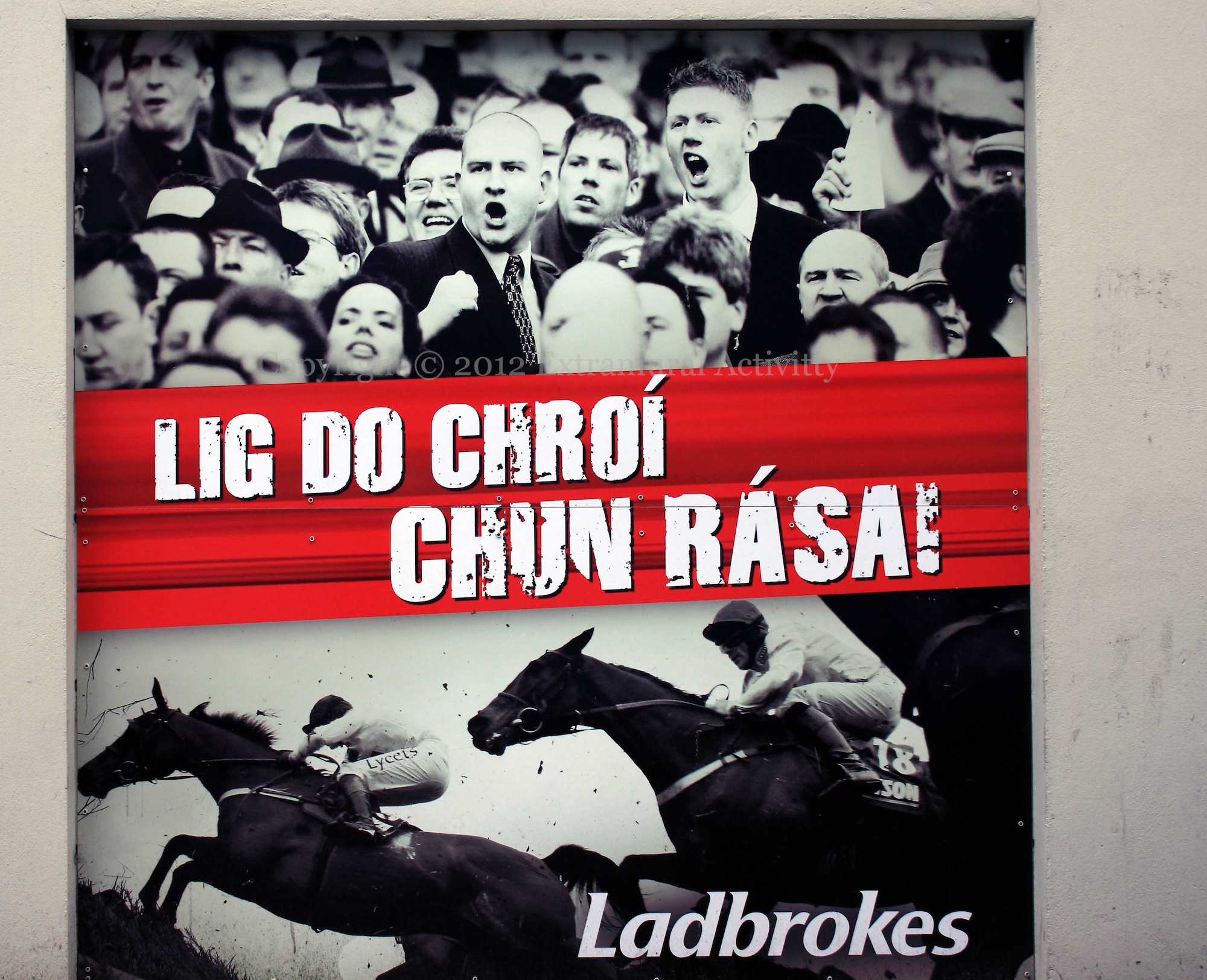
An Irish-language board outside Ladbrokes on the Falls Road/Shiels Street: “Lig do chroí chun rásai” – let your heart go to the races/let your heart race.
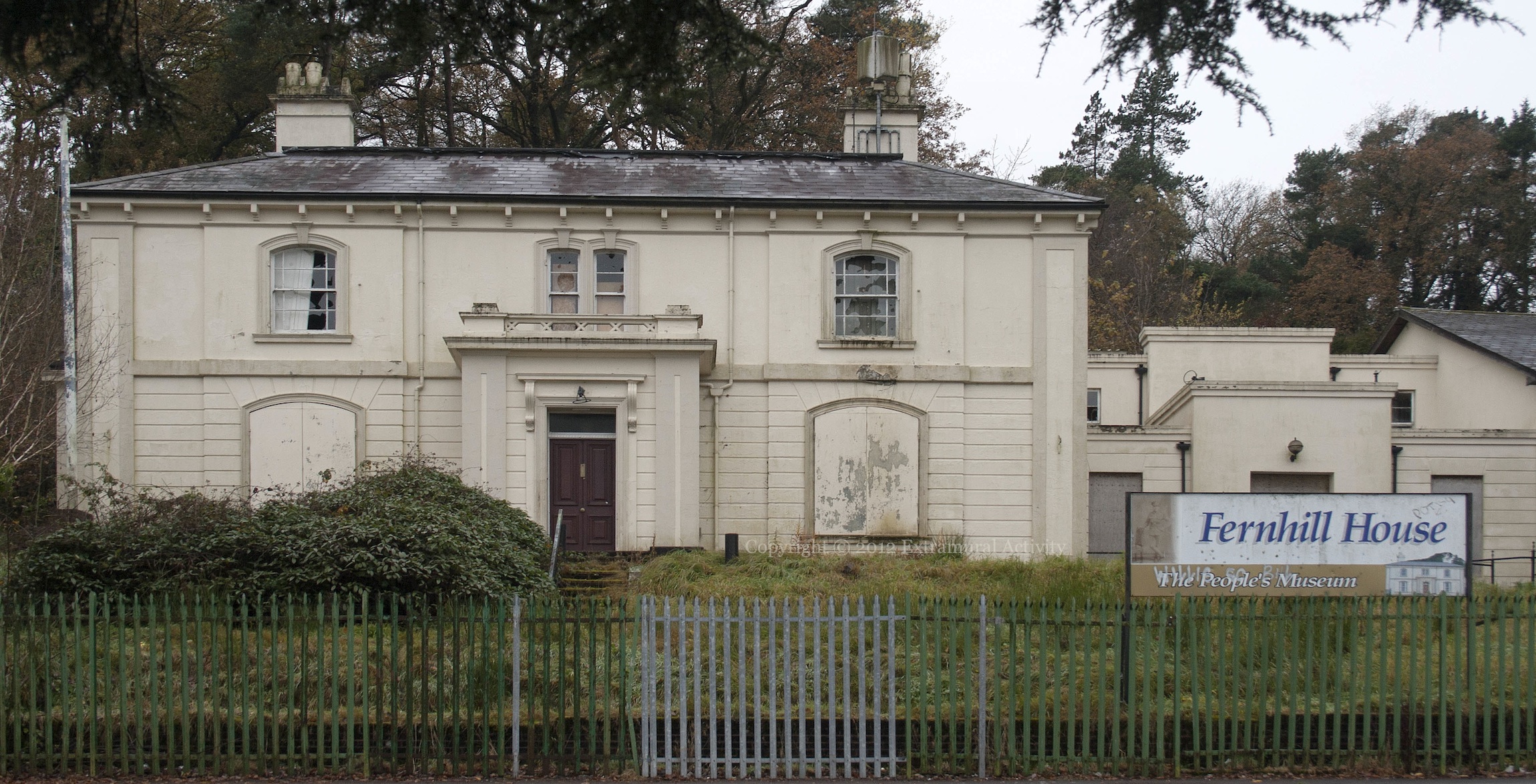
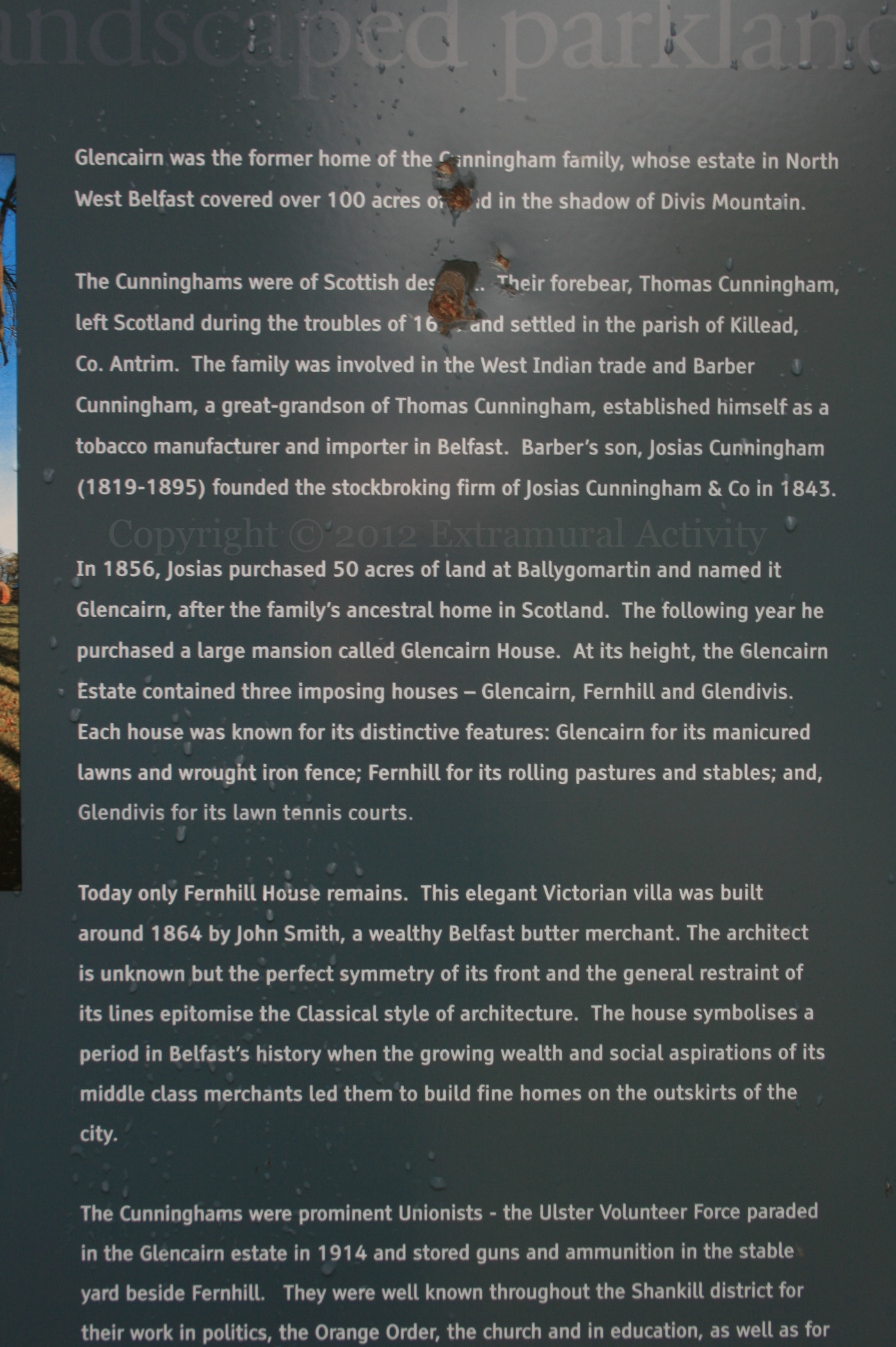
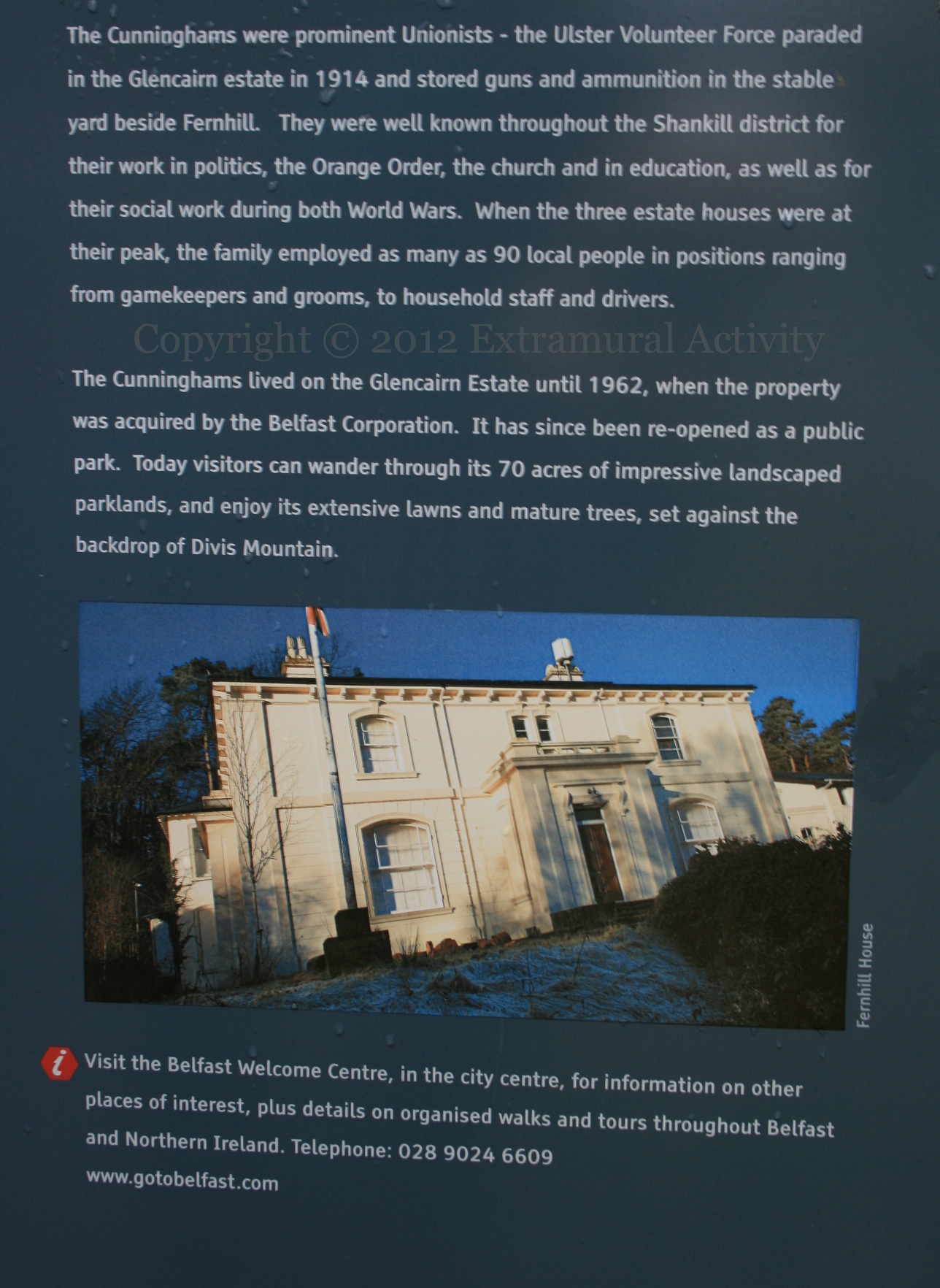
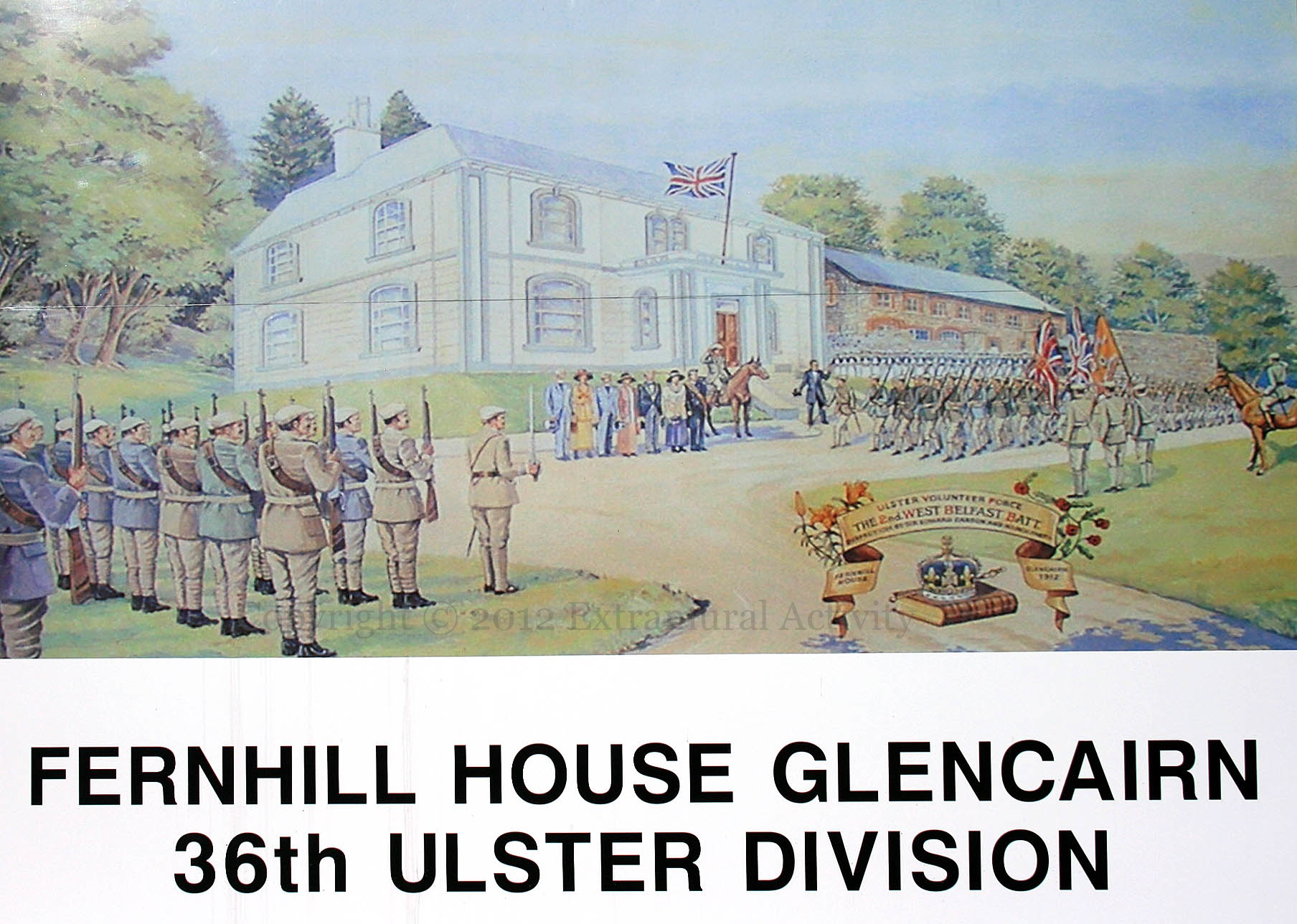
Fernhill House, which features in various loyalist murals/boards, in its present state. In 1996 it was opened as a museum, but has since been shuttered and is gradually falling into disrepair. The house is located off the modern-day Ballygomartin Road, in Glencairn Park.
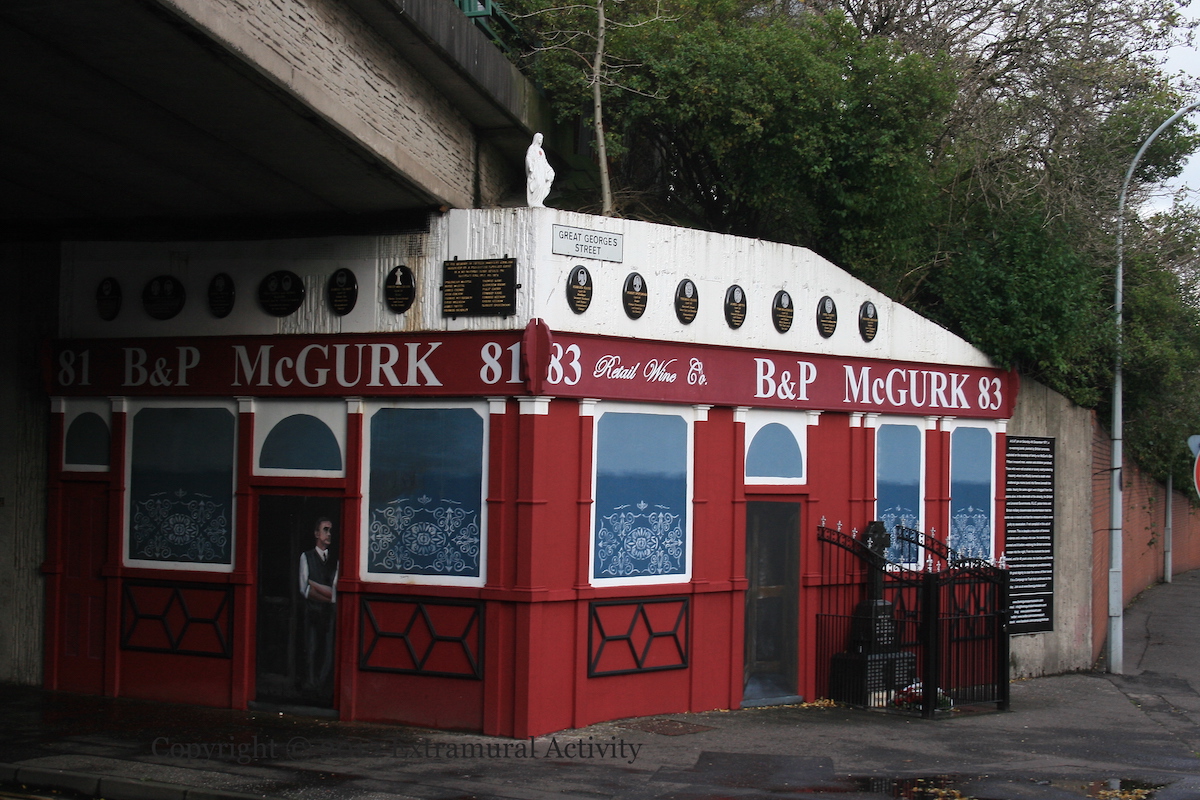
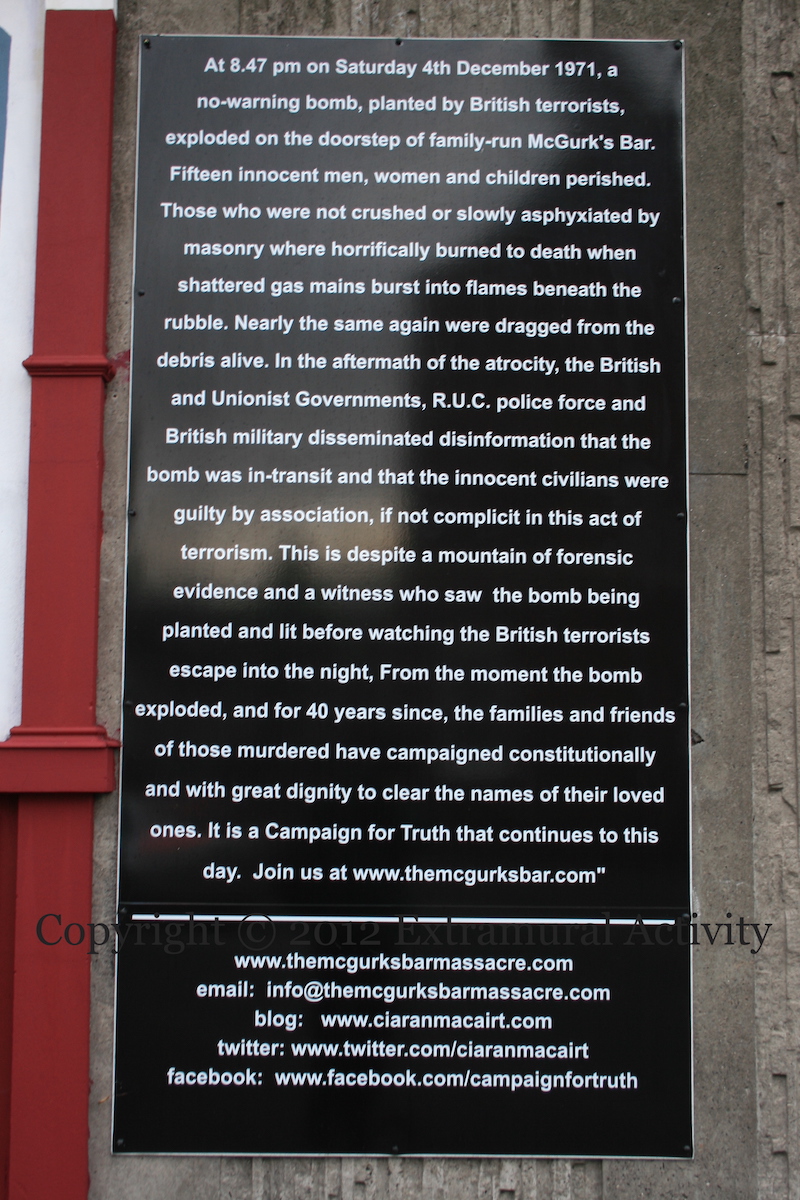
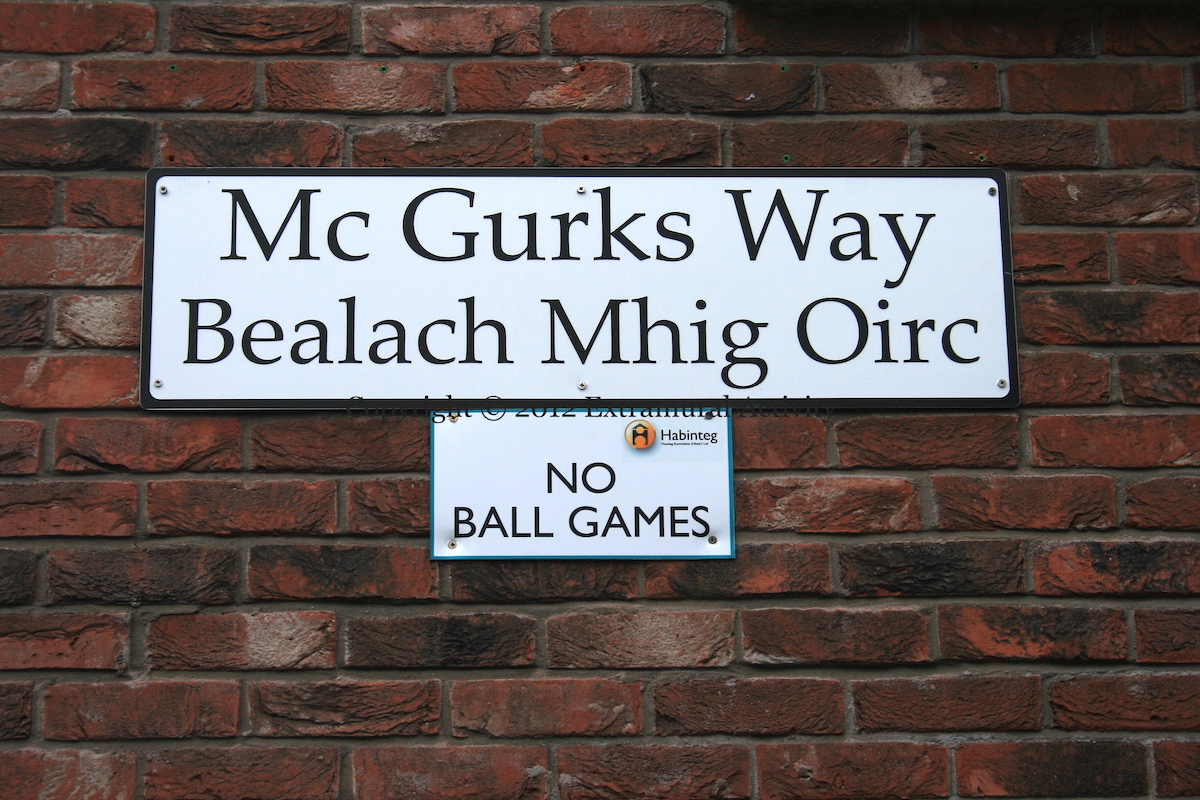
For the 40th anniversary, a painted shopfront and plaques to the victims of the McGurk’s Bar Bombing were added last December (2011) to the Celtic Cross and plaque already at the site. The text on the info board to the right is ad follows: “At 8.48 pm on Saturday 4th December 1971, a no-warning bomb, planted by British terrorists, exploded on the doorstep of family-run McGurk’s Bar. Fifteen innocent men, women and children perished. Those who were not crushed or slowly asphyxiated by masonry where [sic] horrifically burned to death when shattered gas mains burst into flames beneath the rubble. Nearly the same again were dragged from the debris alive. In the aftermath of the atrocity, the British and Unionist Governments, RUC police force and British military disseminated disinformation that the bomb was in-transit and that the innocent civilians were guilty by association, if not complicit in this act of terrorism. This is despite a mountain of forensic evidence and a witness who saw the bomb being planted and lit before watching the British terrorists escape into the night. From the moment the bomb exploded, and for 40 years since, the families and friends of those murdered have campaigned constitutionally and with great dignity to clear the names of their loved ones. It is a Campaign for Truth that continues to this day. Join us at www.themcgurksbar.com.”
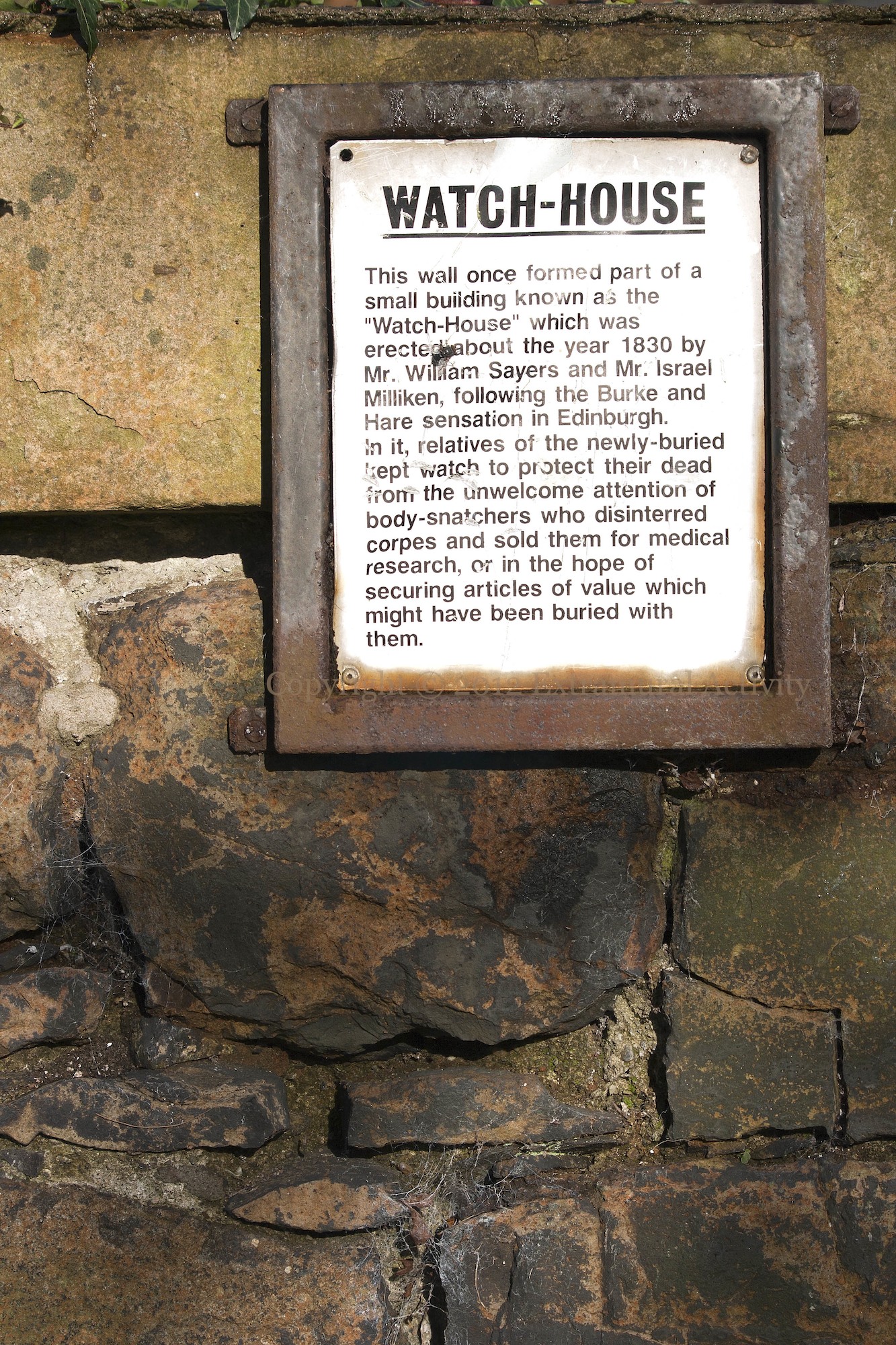
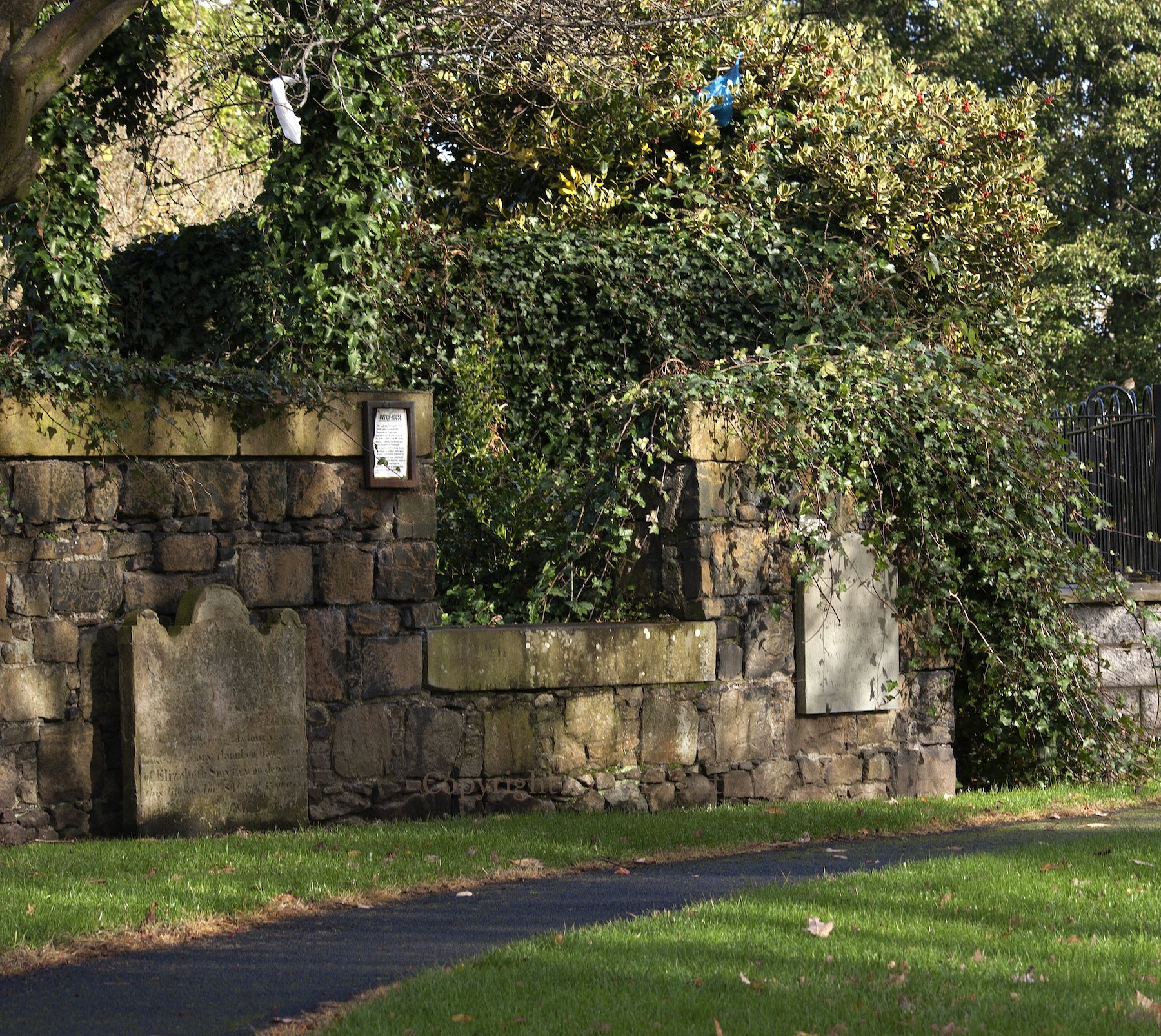
A plaque in the old Shankill graveyard. “Watch-House: This wall once formed part of a small building known as the “Watch-House” which was erected about the year 1830 by Mr. William Sayers and Mr. Israel Milliken, following the Burke and Hare sensation in Edinburgh. In it, relatives of the newly-buried kept watch to protect their dead from the unwelcome attention of body-snatchers who disinterred corpes [corpses] and sold them for medical research, or in the hope of securing articles of value which might have been buried with them.”
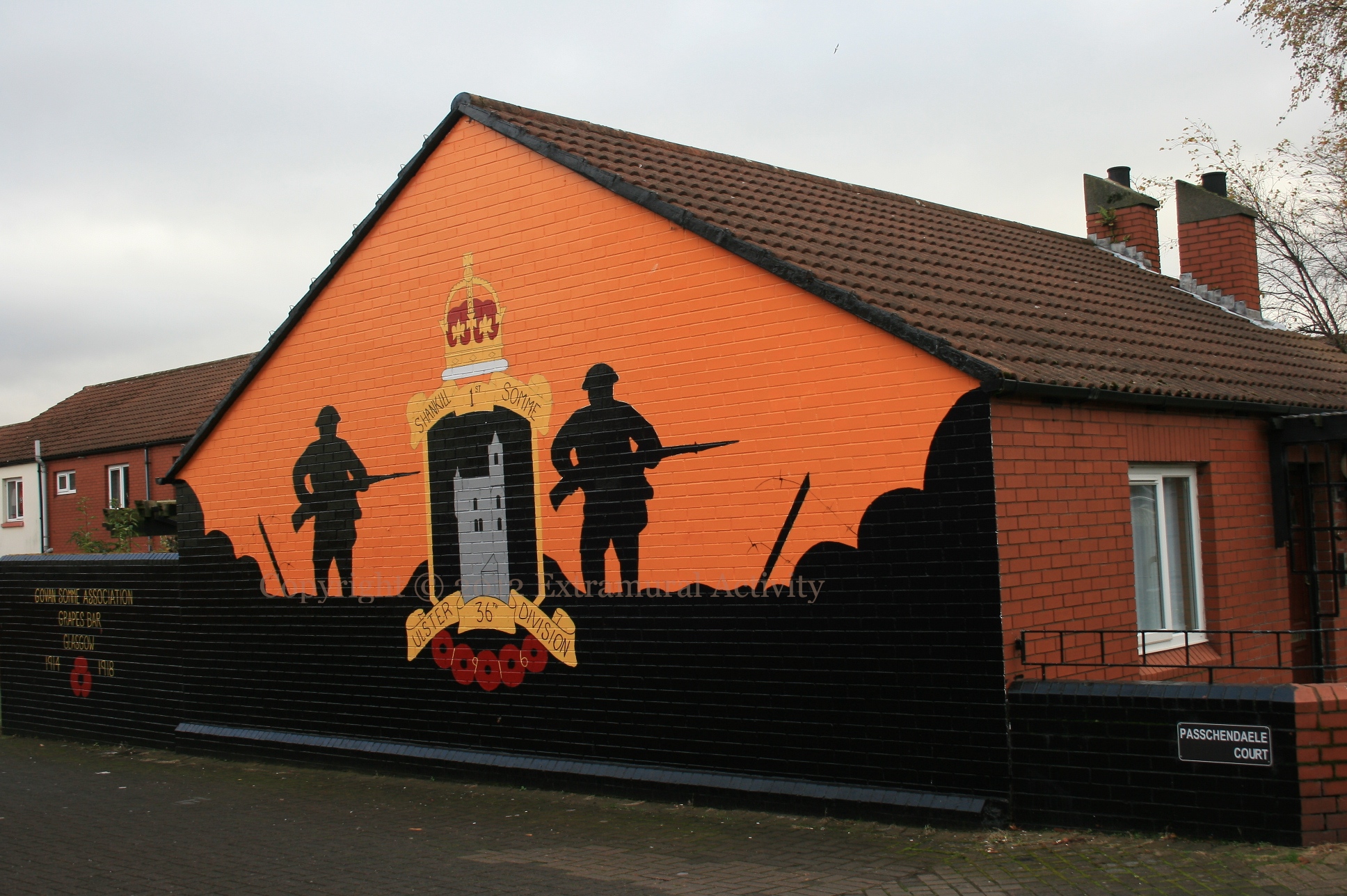
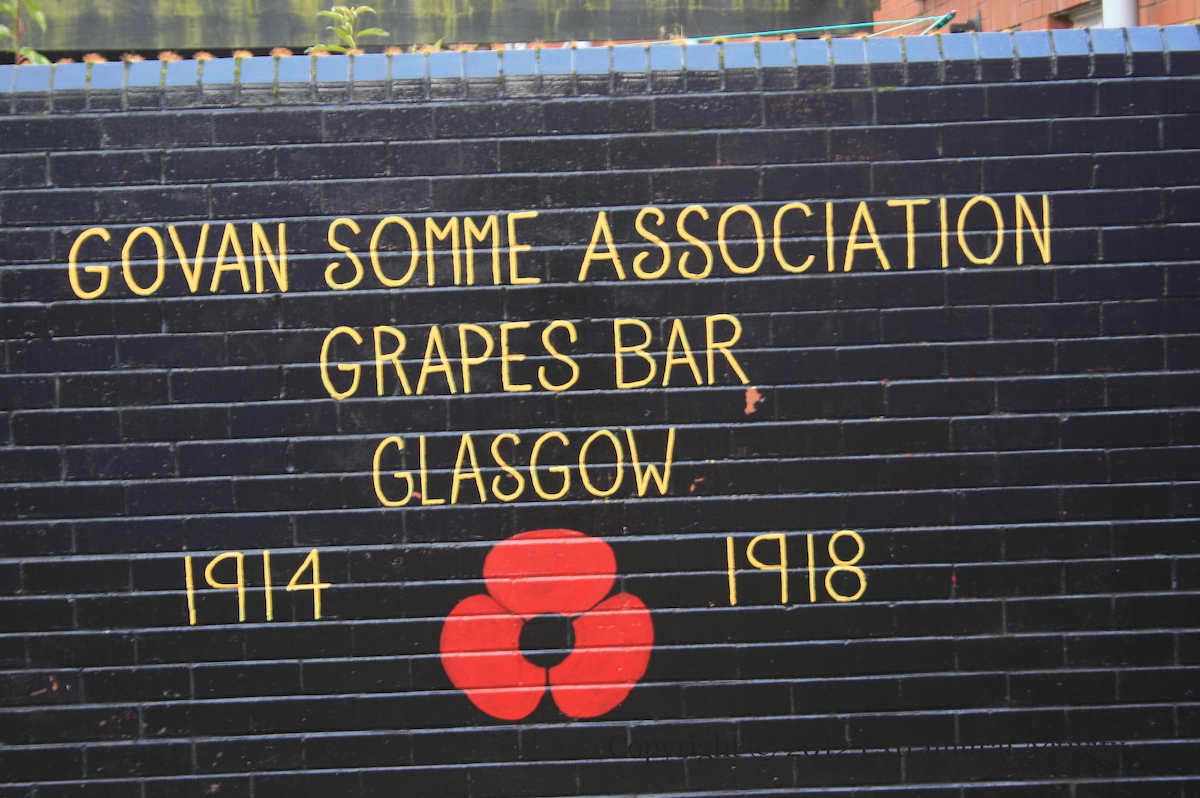
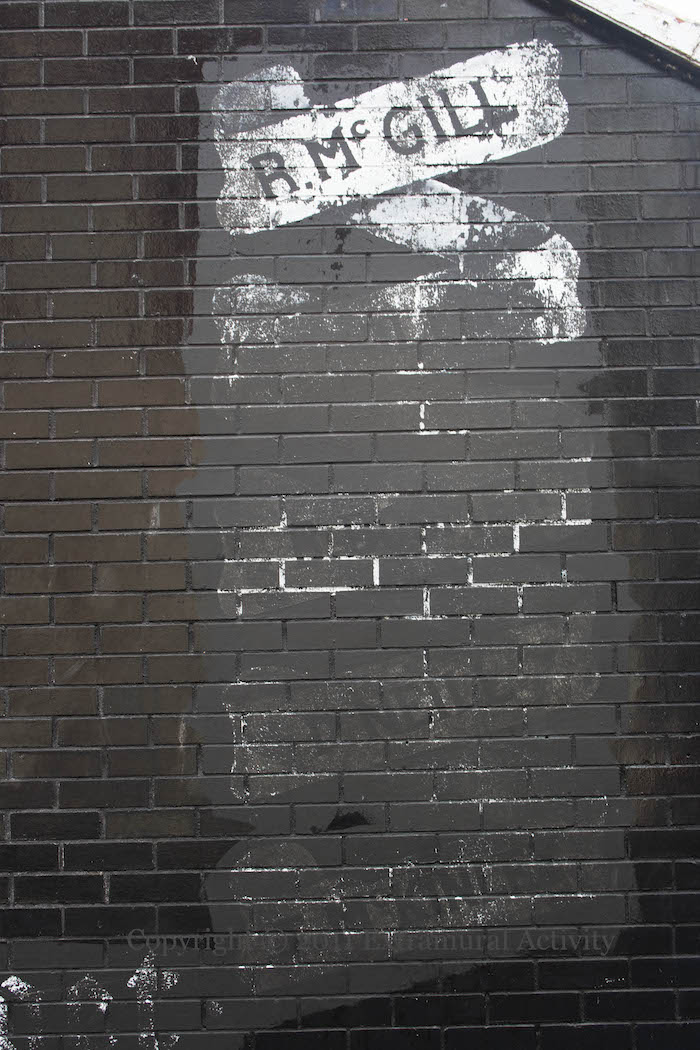
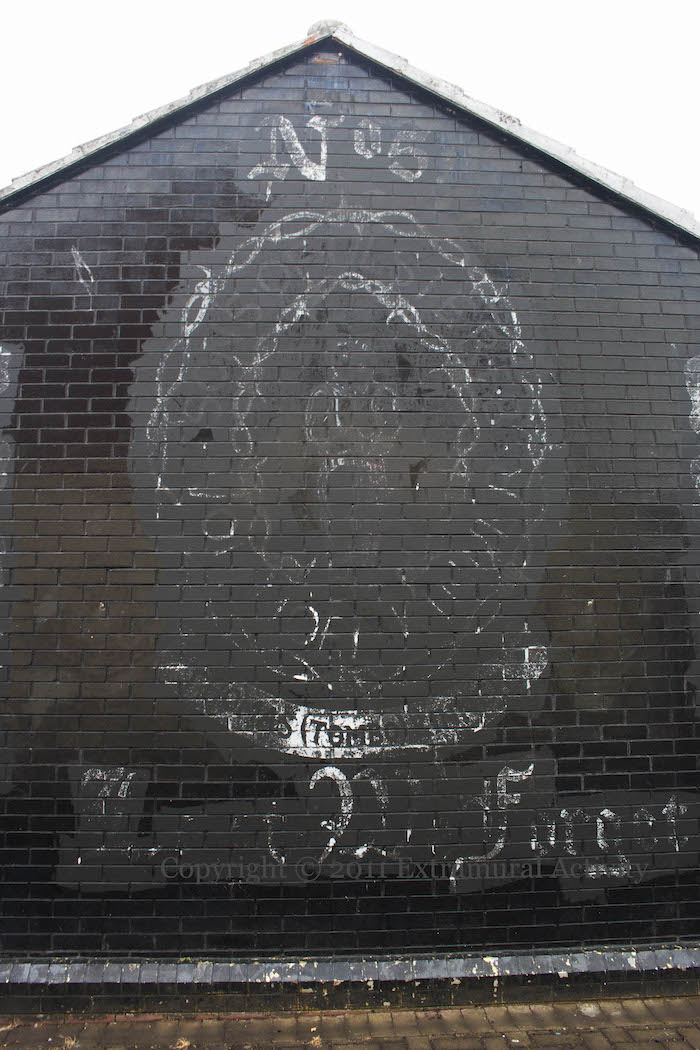
A mural commemorating the Battle of the Somme on the locally-named “Passchendaele Court” (a.k.a. Conway Walk, off Conway St.). See also Thiepval Street. Replaces the Tombo Kinner mural. With support from the Govan Somme Association, Grapes Bar, Glasgow.
The images below of the previous mural blacked out are from September, 2011. For the mural in its prime, see M05506.
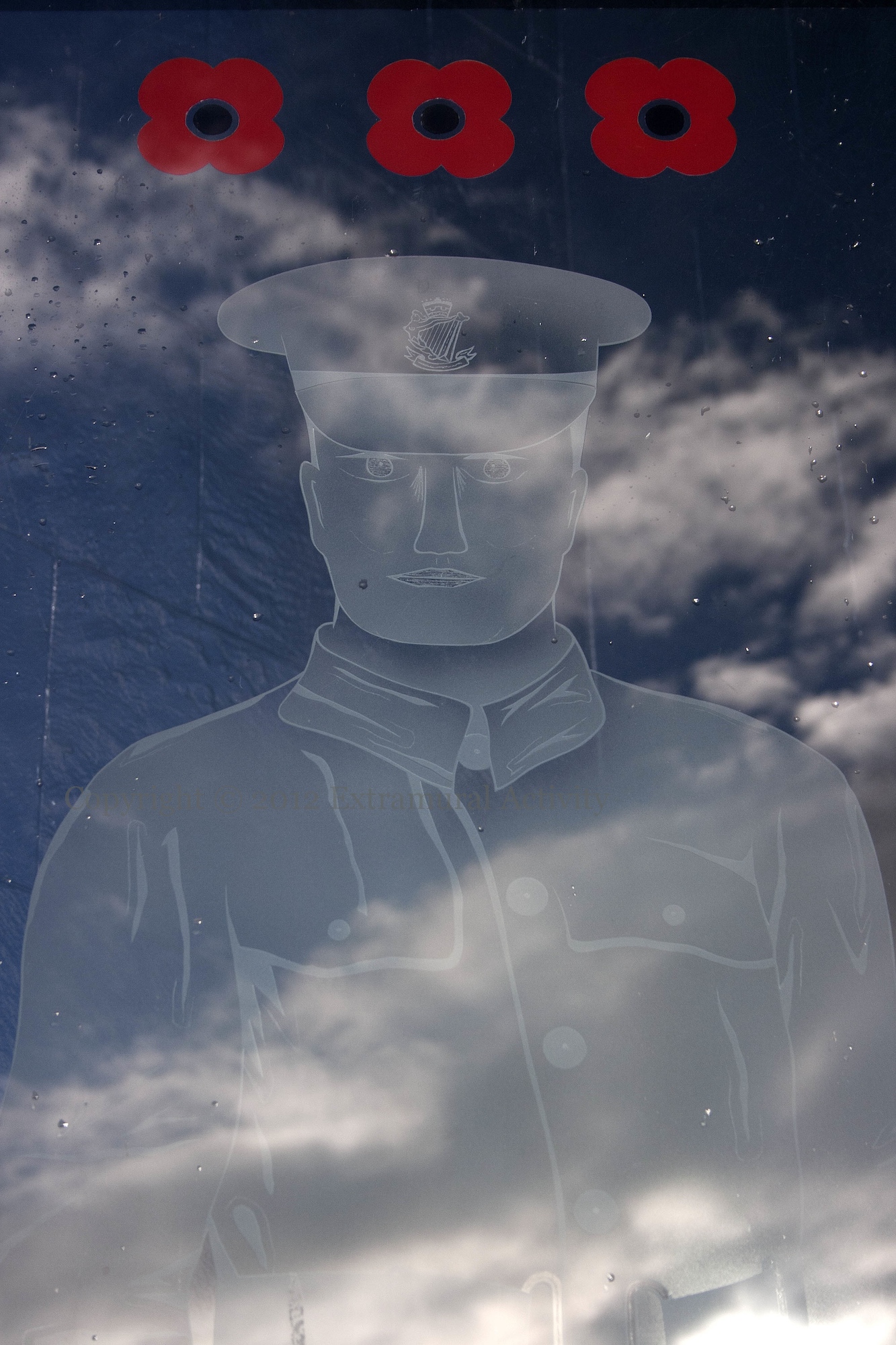
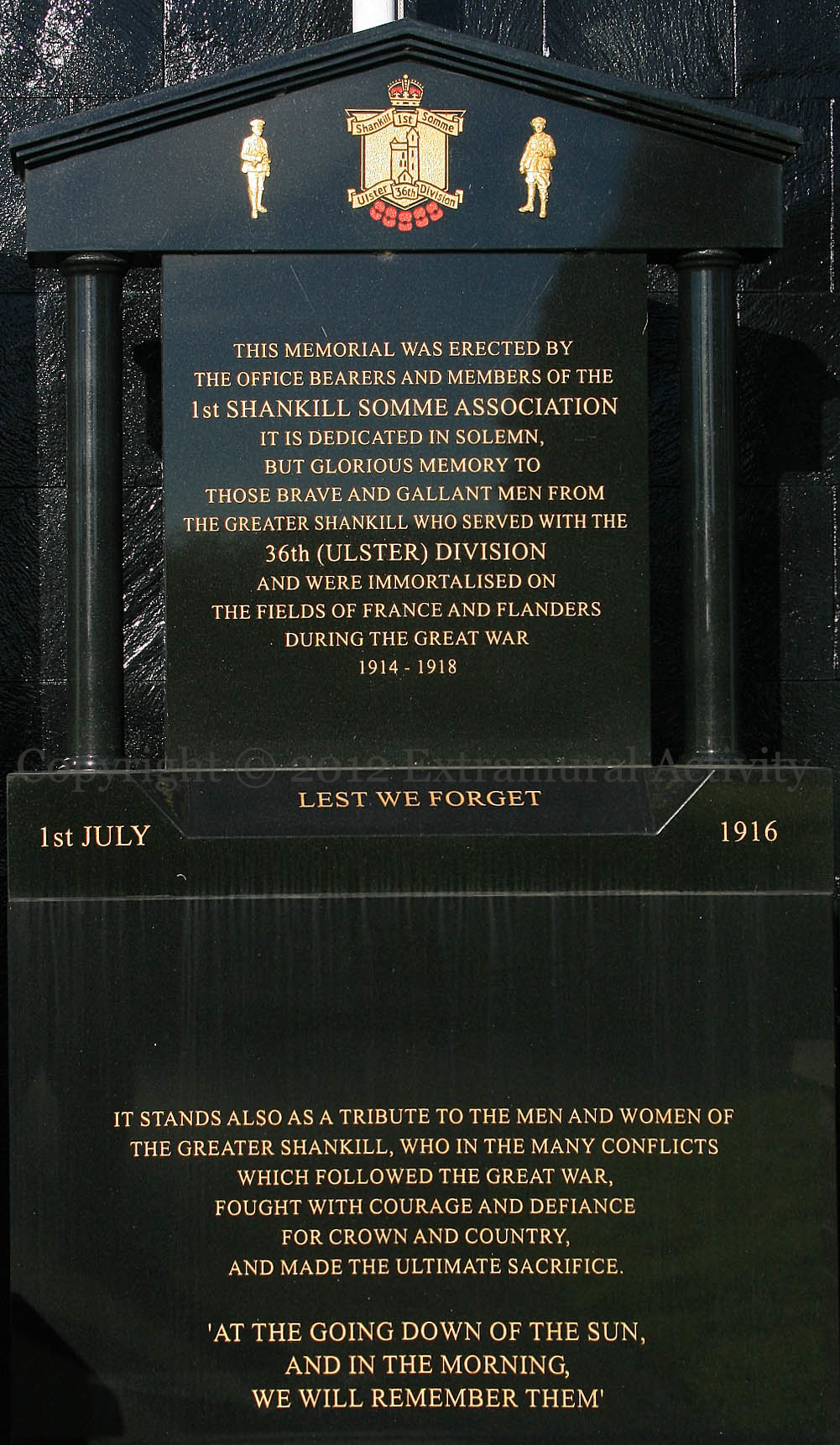
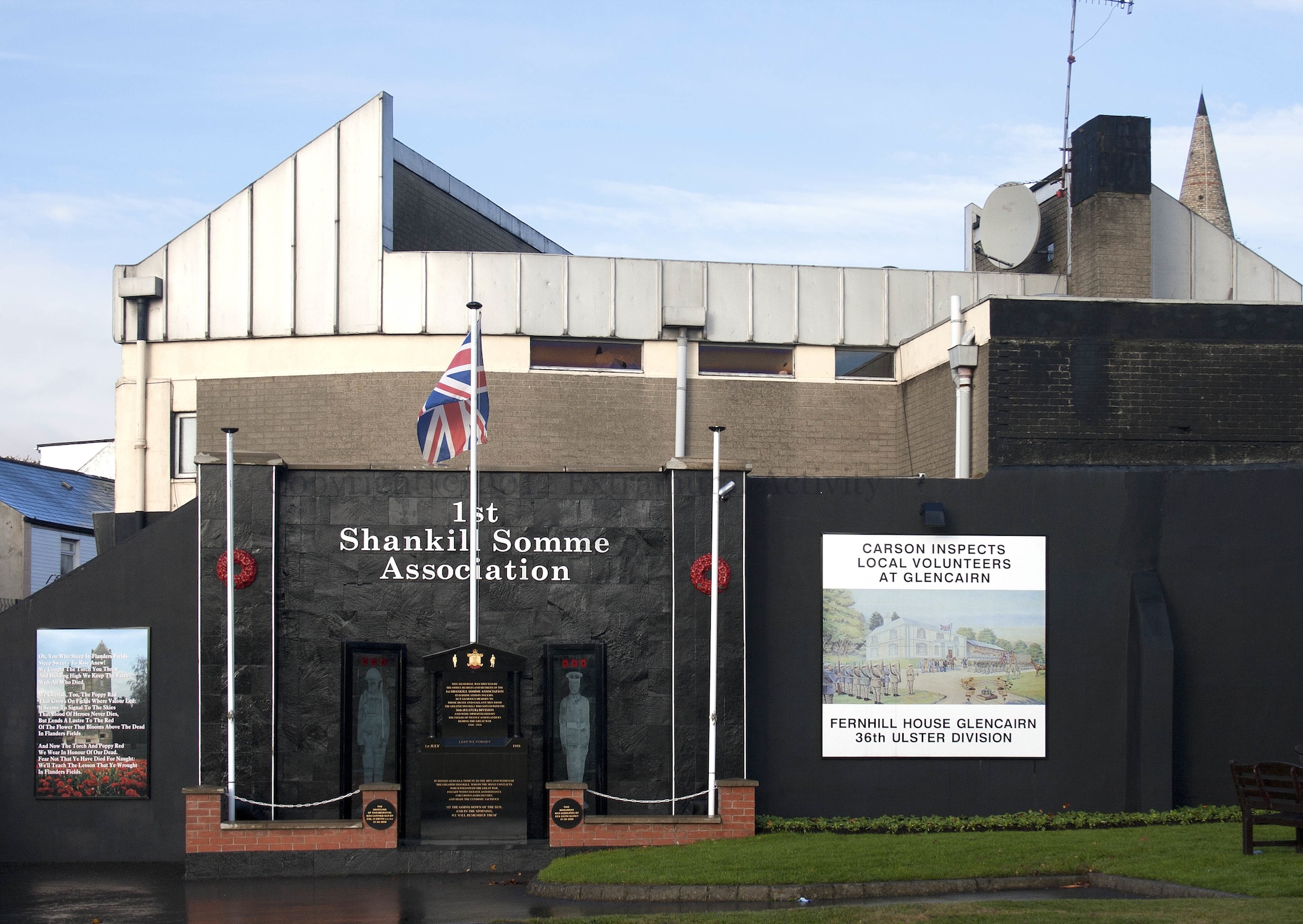
All of these images are of different parts of the Somme memorial next to the Shankill graveyard. There is an opening in the graveyard boundary wall which leads into the Somme memorial garden. The Mountainview Tavern, which featured several times during the troubles, can be seen behind the memorial, as well as the spire of St. Matthew’s Church.
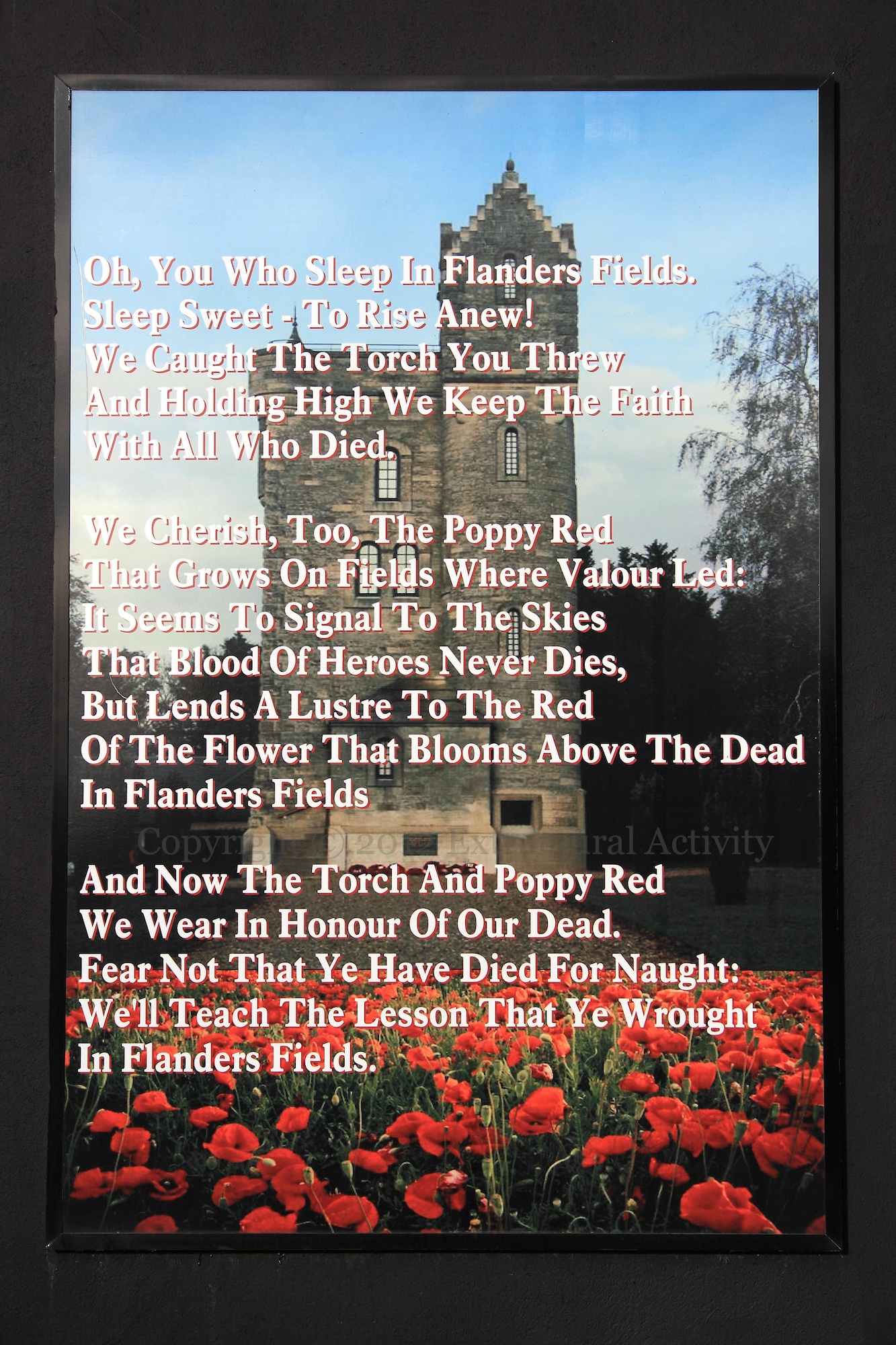
oh you who sleep in flanders fields sleep sweet to rise anew we caught the torch you threw and holding high we keep the faith with all who died, we cherish too the poppy red that grows on fields were valour led, it seems to signal to the skies that blood of heroes never dies but lends a lustre to the red of the flower that blooms above the dead in flanders fields, and now the torch and poppy red we wear in honour of our dead fear not that ye have died for naught we’ll teach the lesson that ye wrought in flanders fields carson inspects local volunteers at fernhill house glencairn 36th ulster division, ulster volunteer force, the 2nd west belfast battalion
 Seosamh Mac Coille Collection