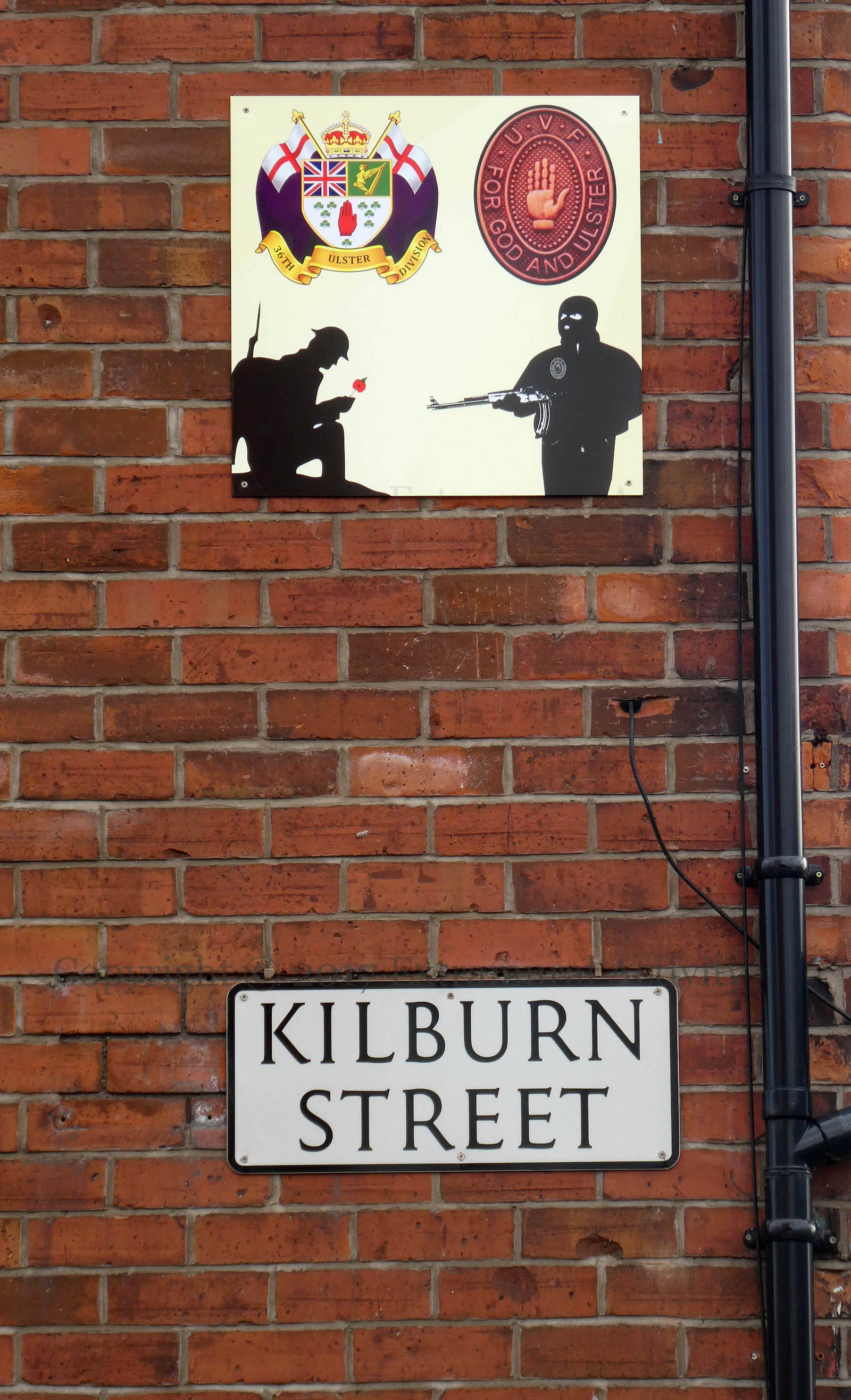
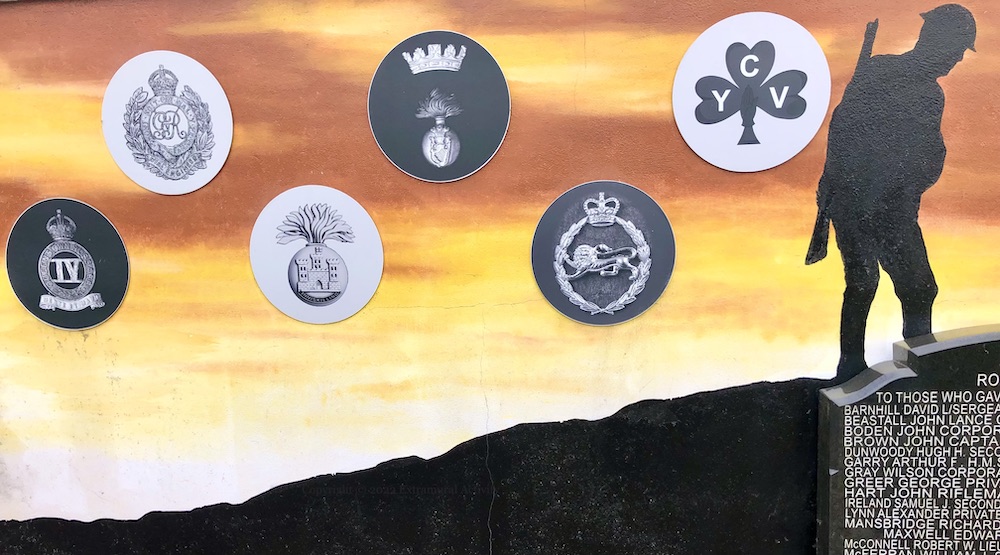
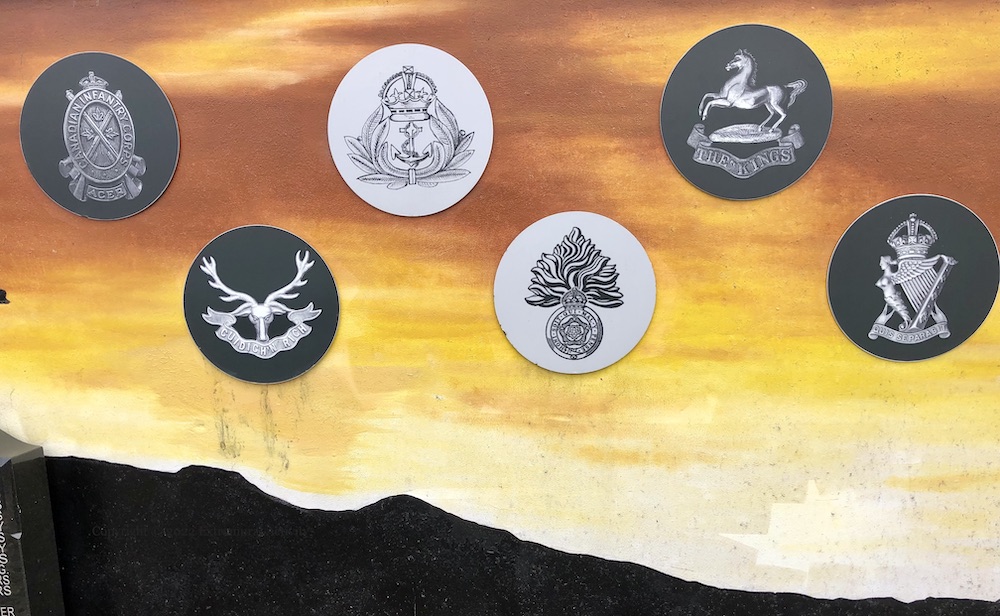
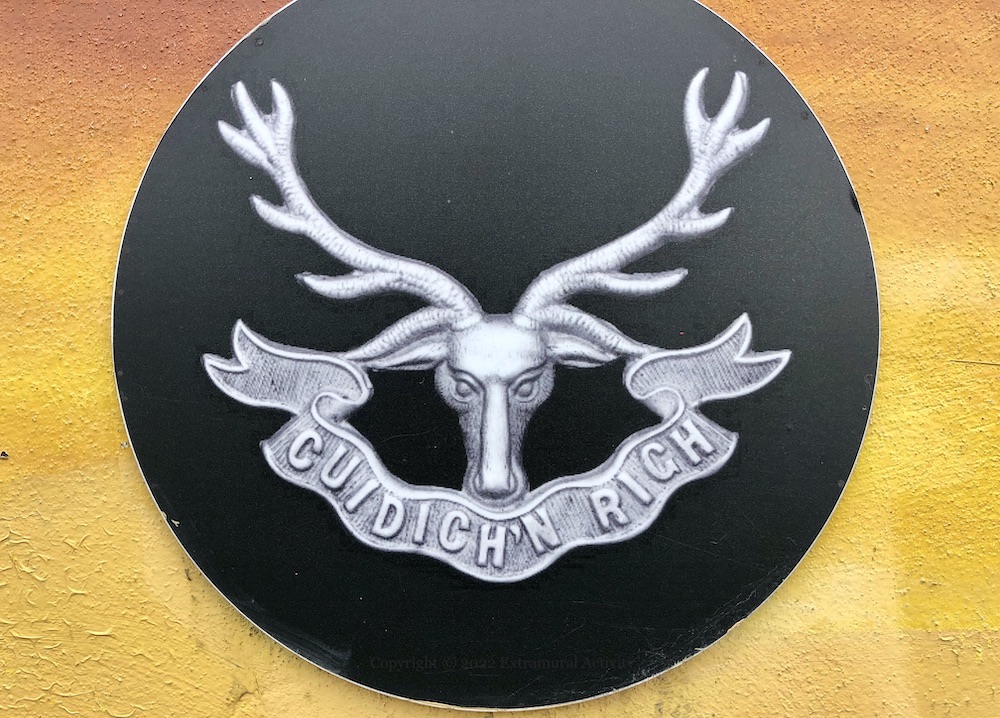
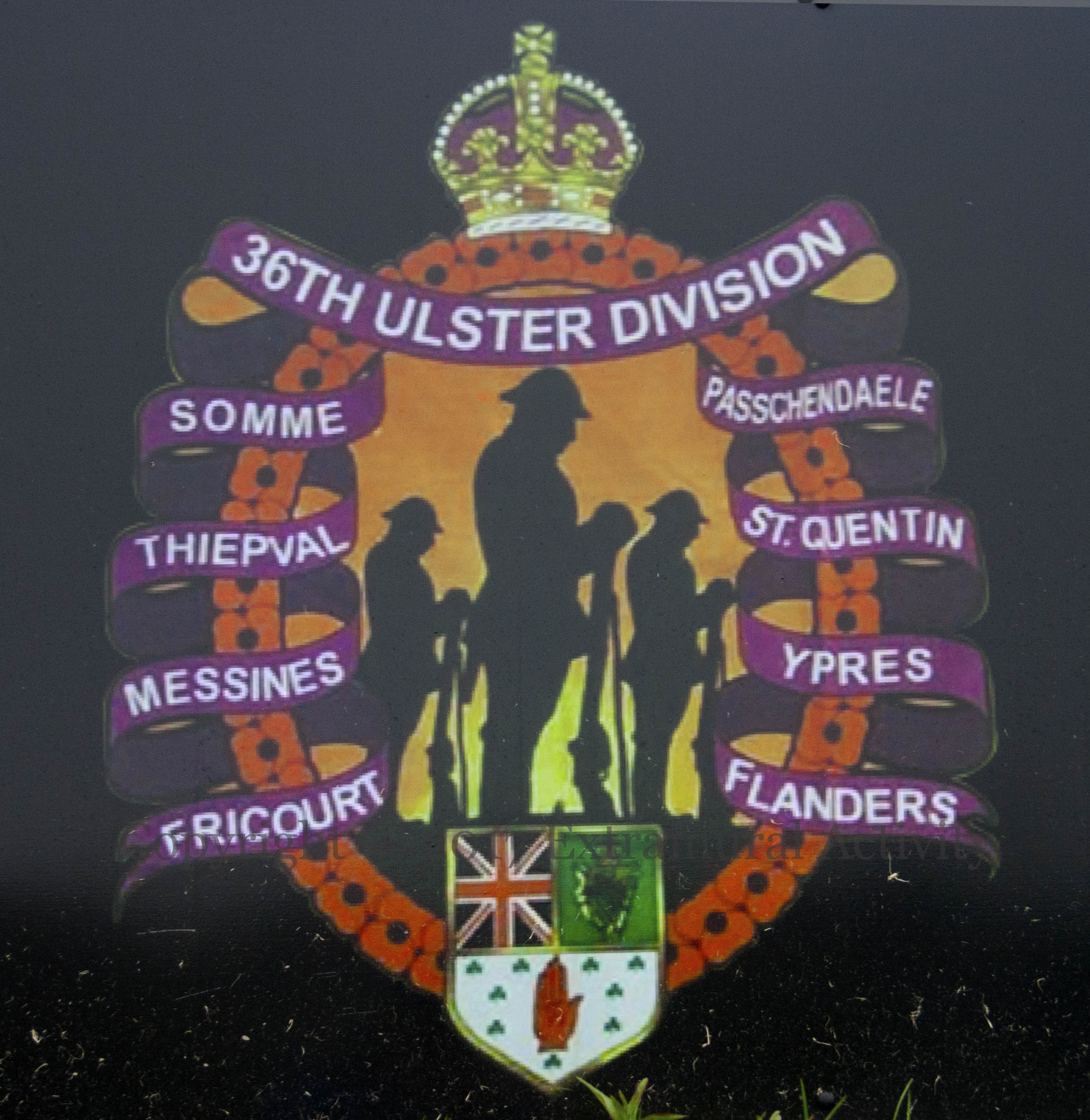
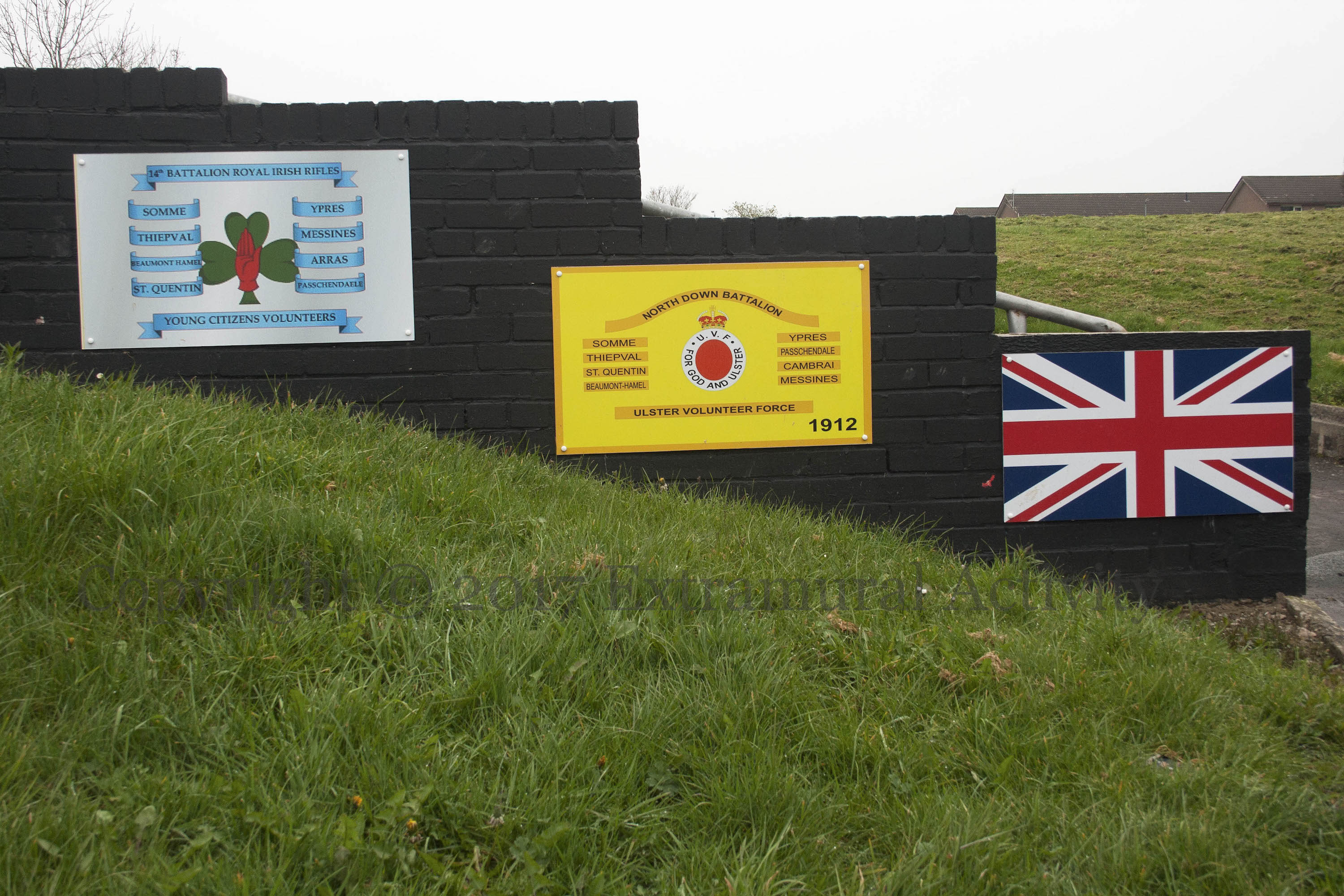
The members of the anti-Home Rule ‘Ulster Volunteers’, formed in 1912, joined the 16th and 36th divisions at the onset of WWI. The emblem of the Ulster Volunteers is on the right (the emblem of the 36th is on the left). The same emblem was used in 1966 when the modern UVF was founded.
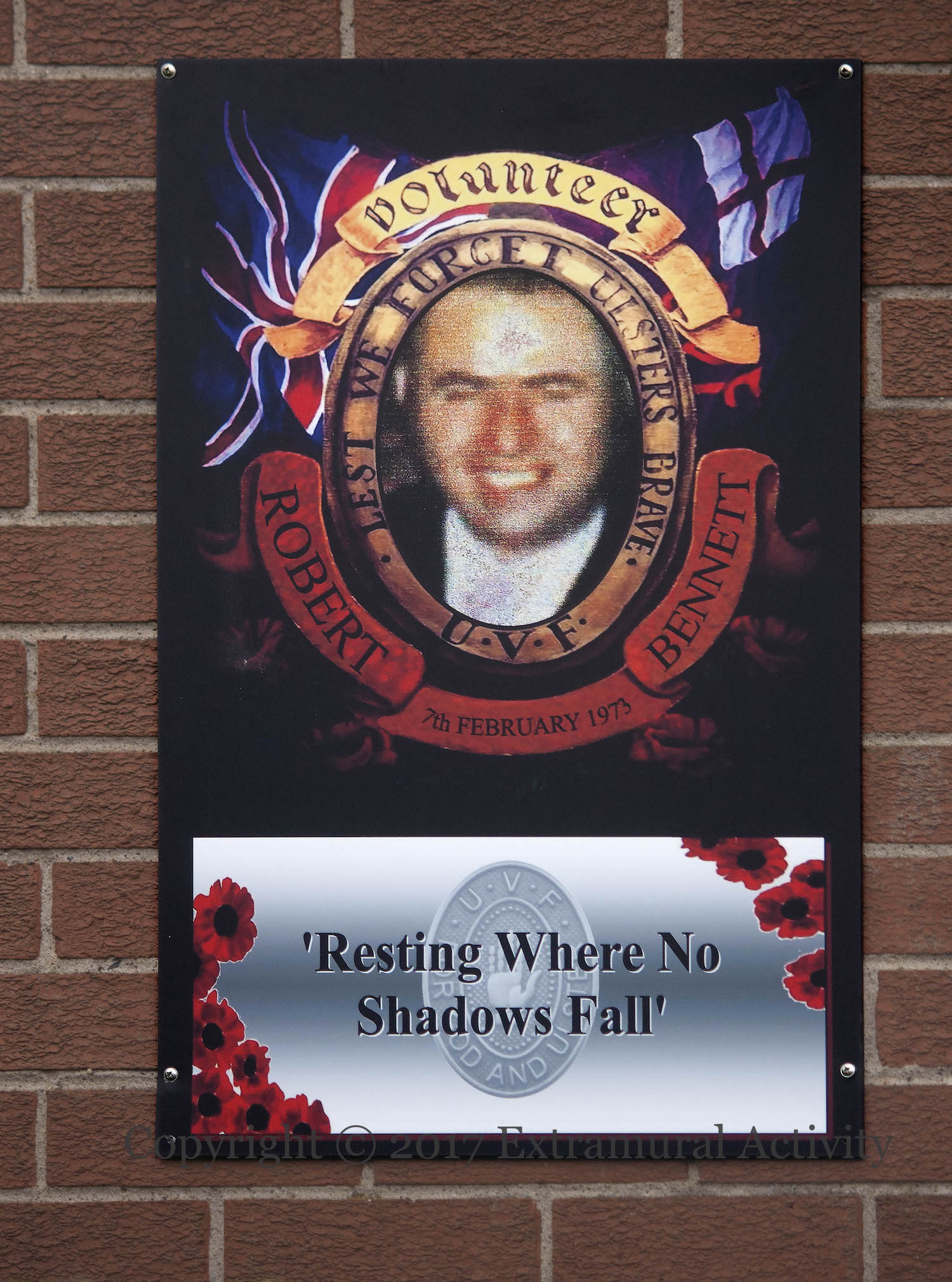
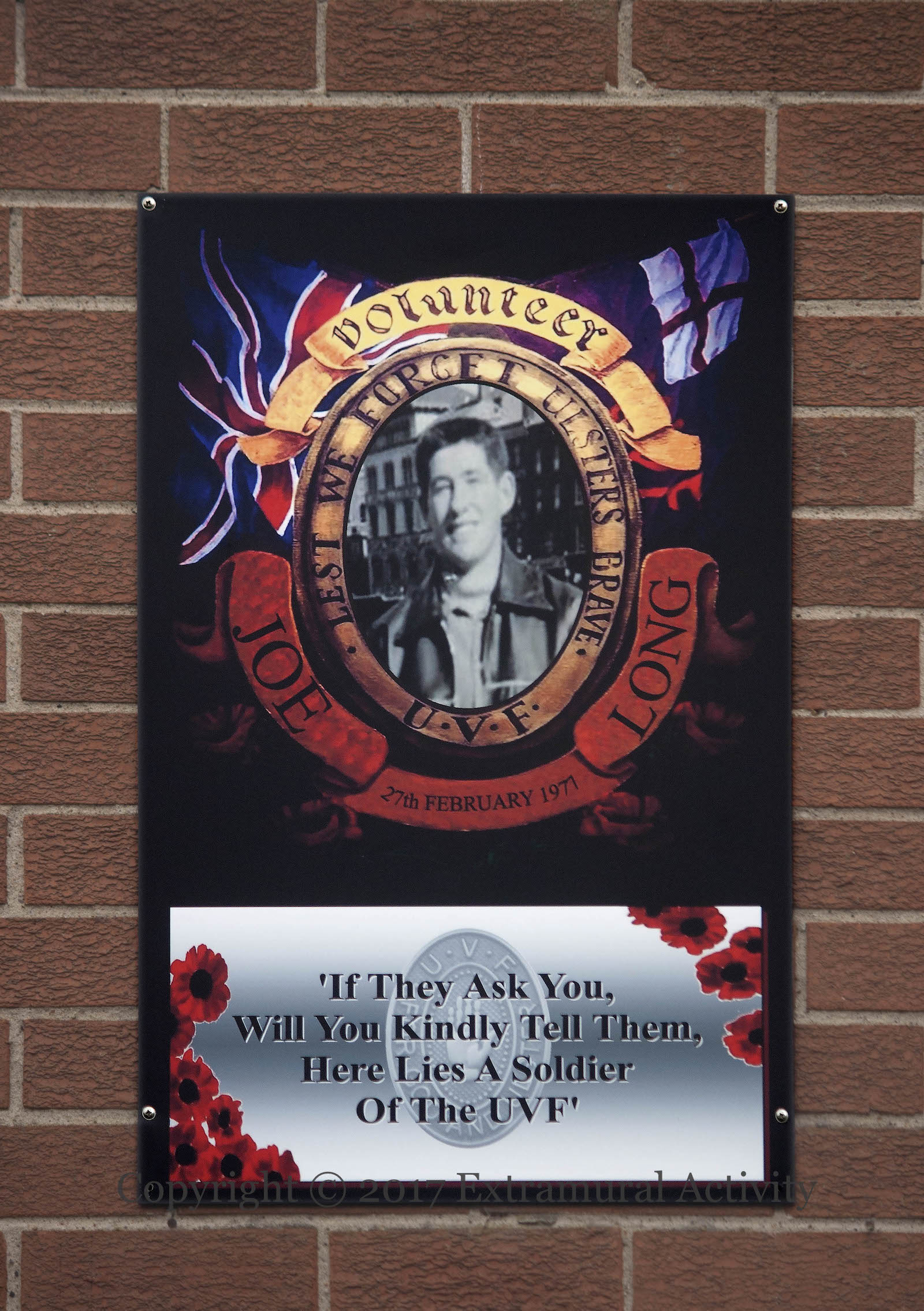
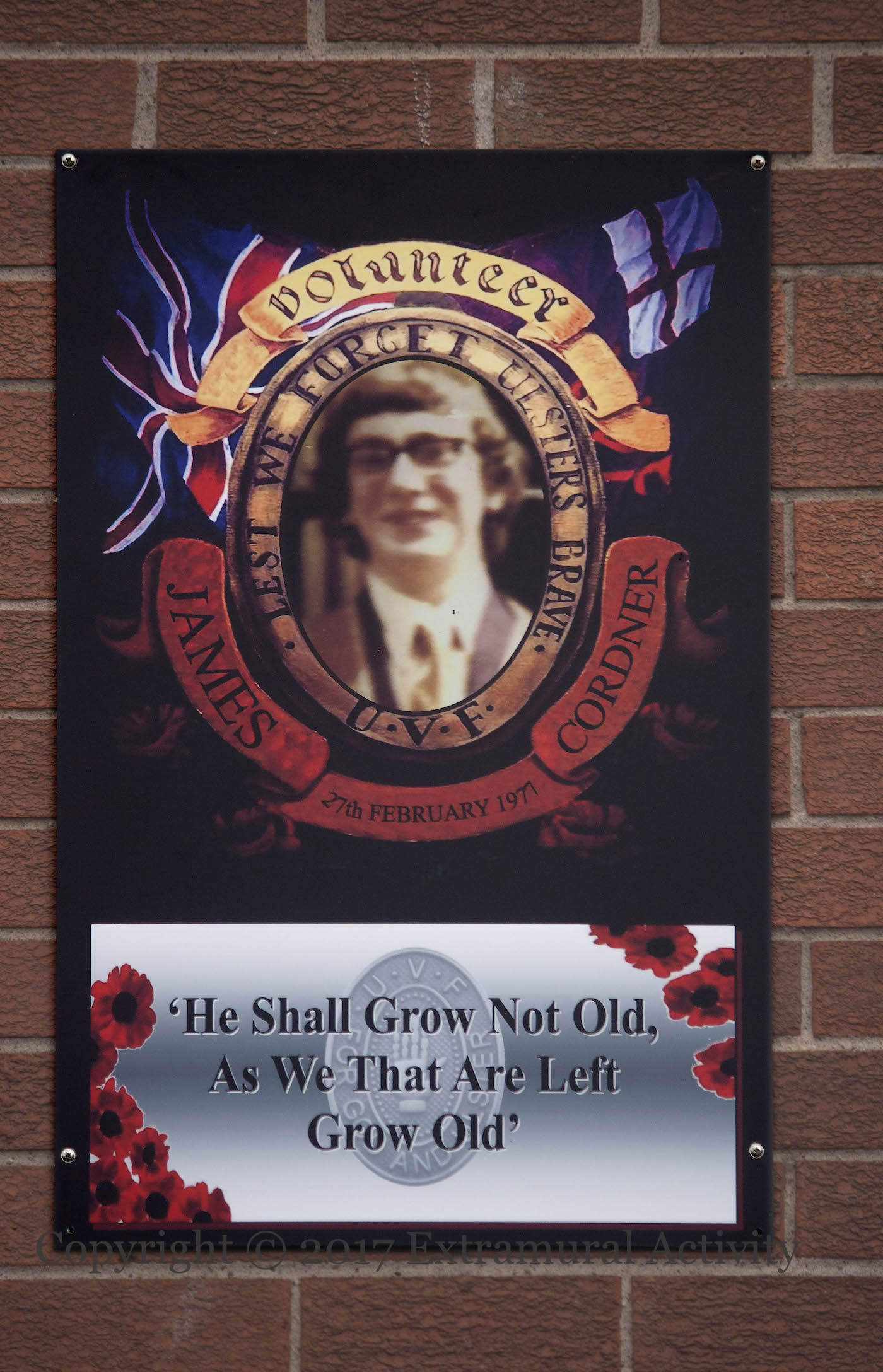
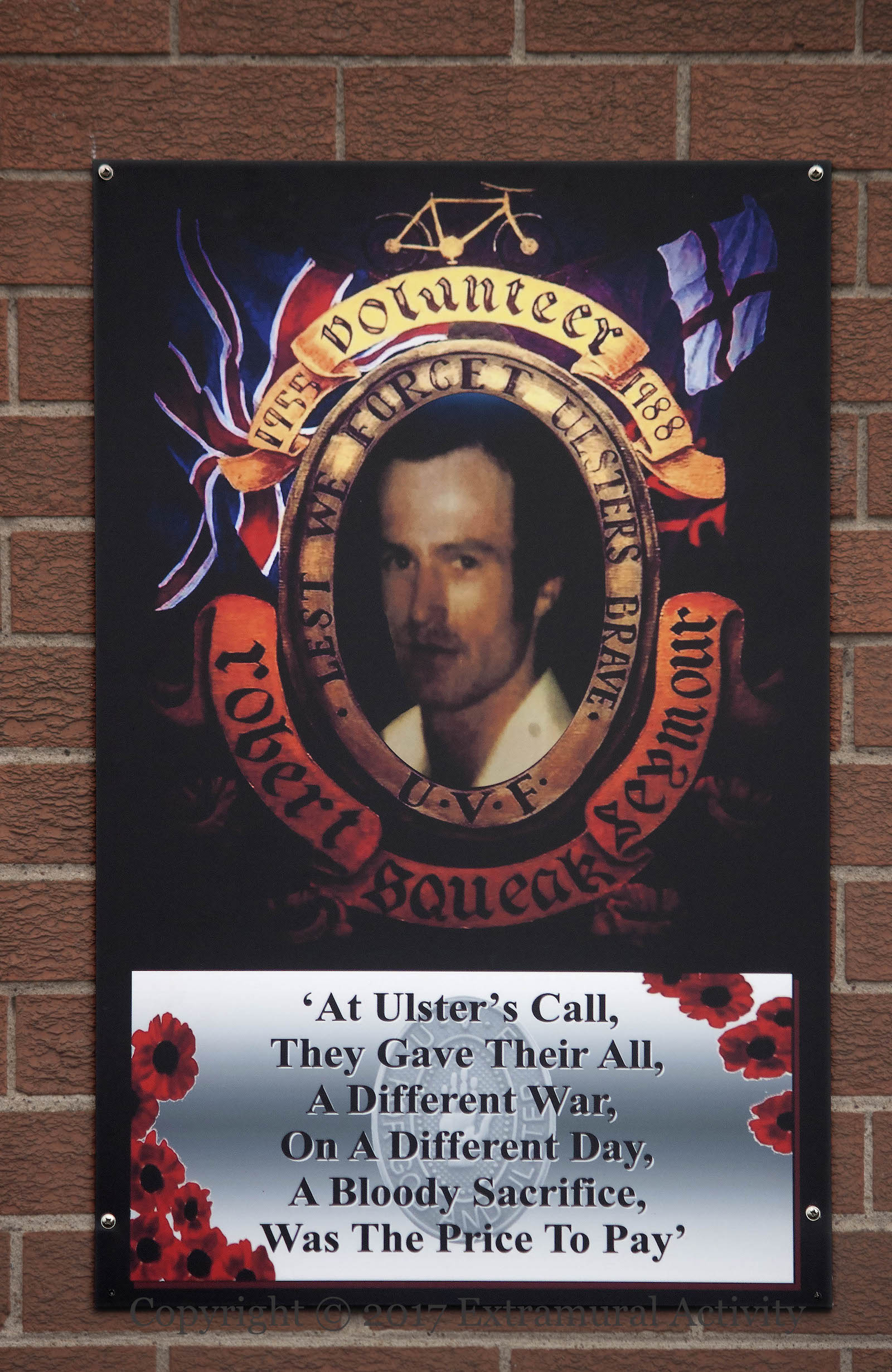
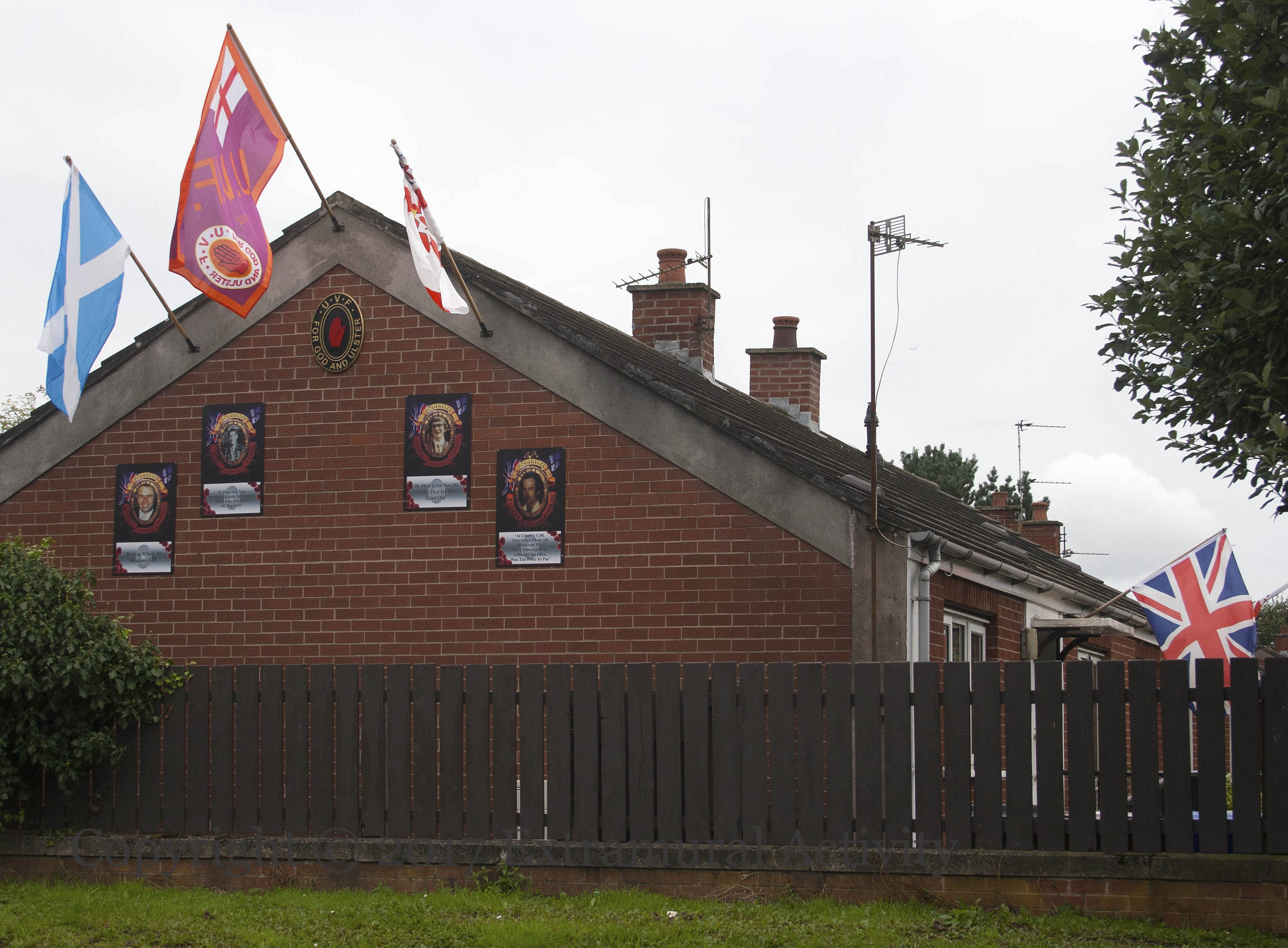
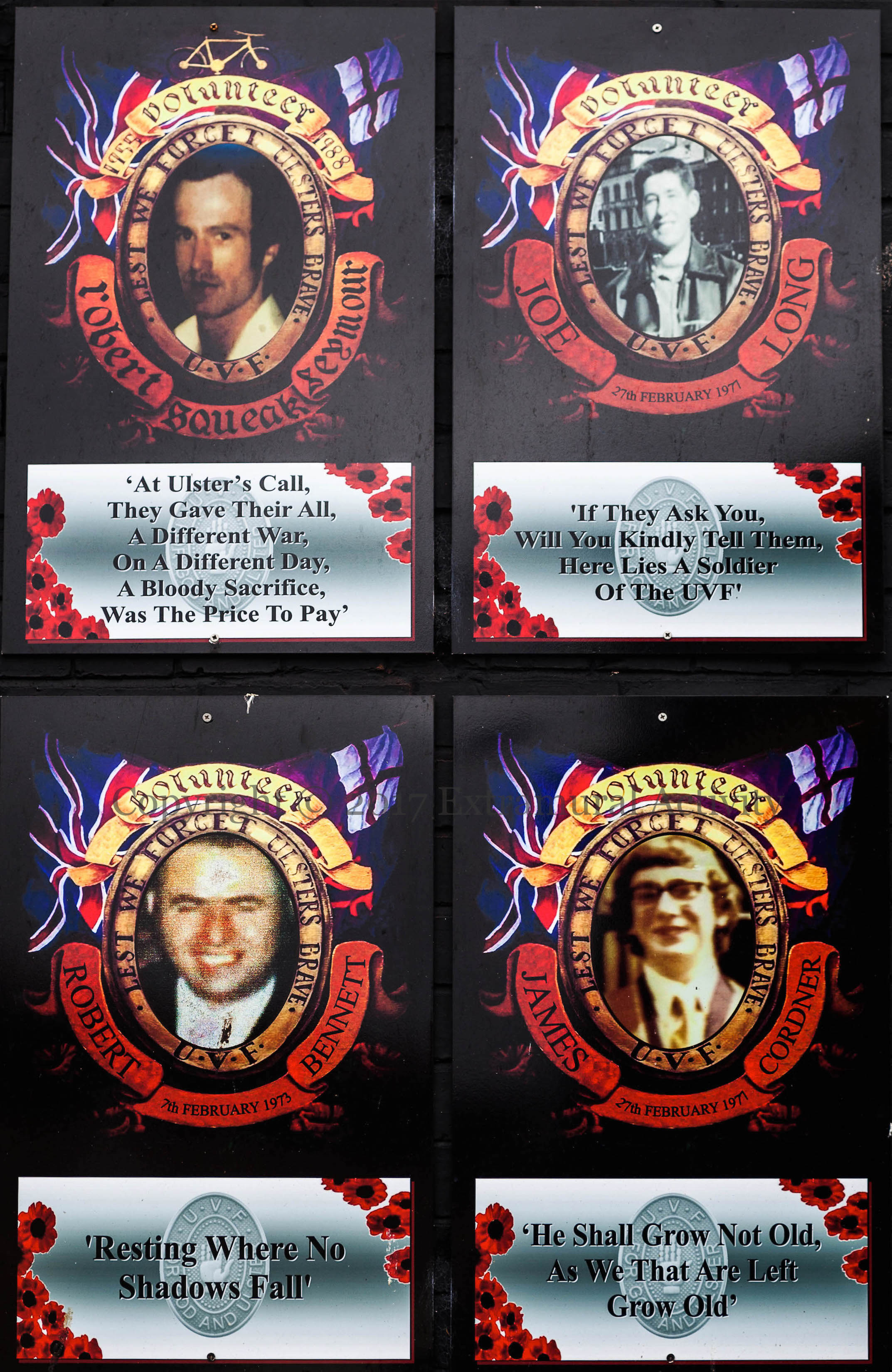
Here is another set of four portraits of Robert Bennett, Joe Long, James Cordner, and Robert “Squeak” Seymour, all members of the UVF killed in the 1970s (Bennet, Long, Cordner) and 1980s (Seymour).
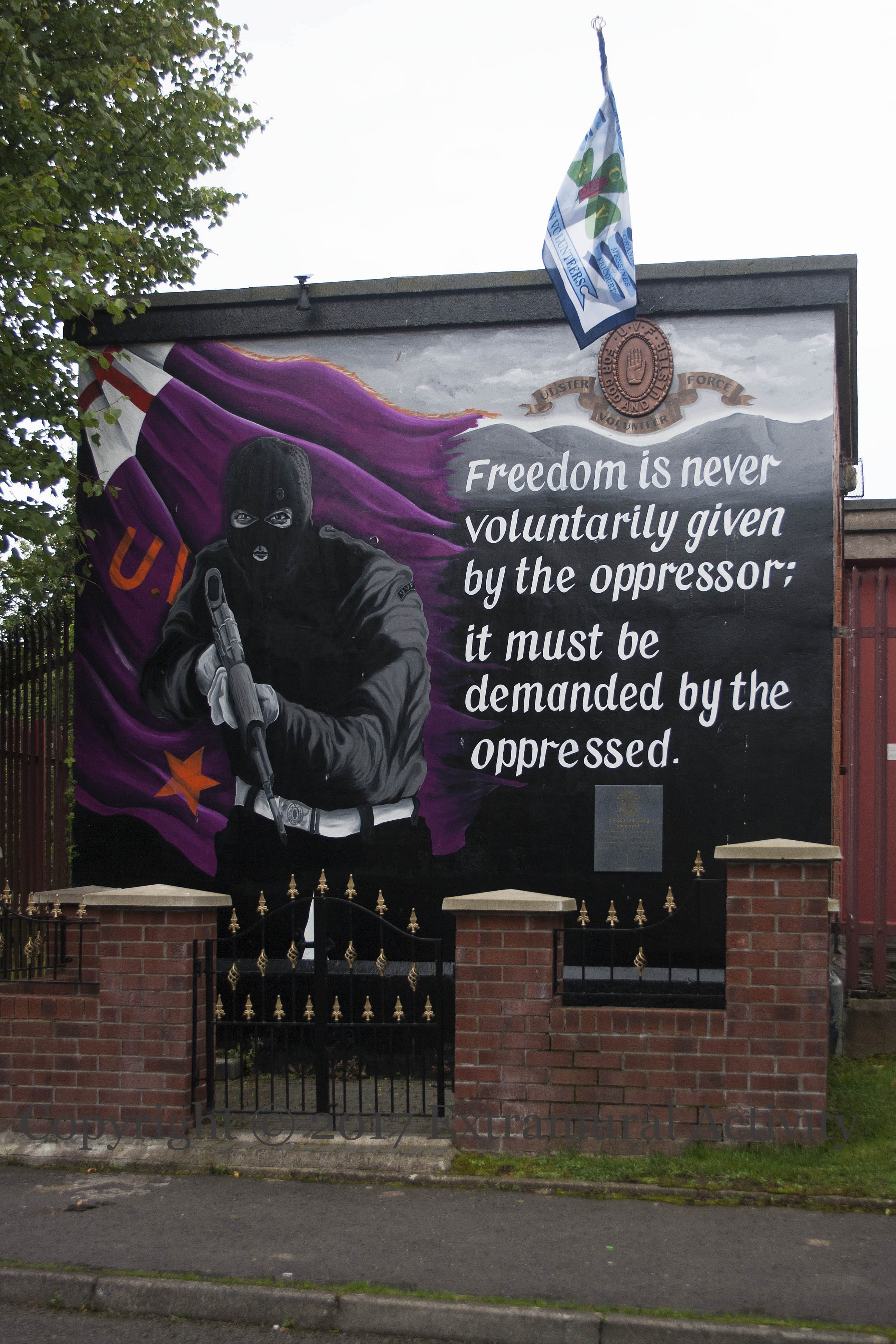
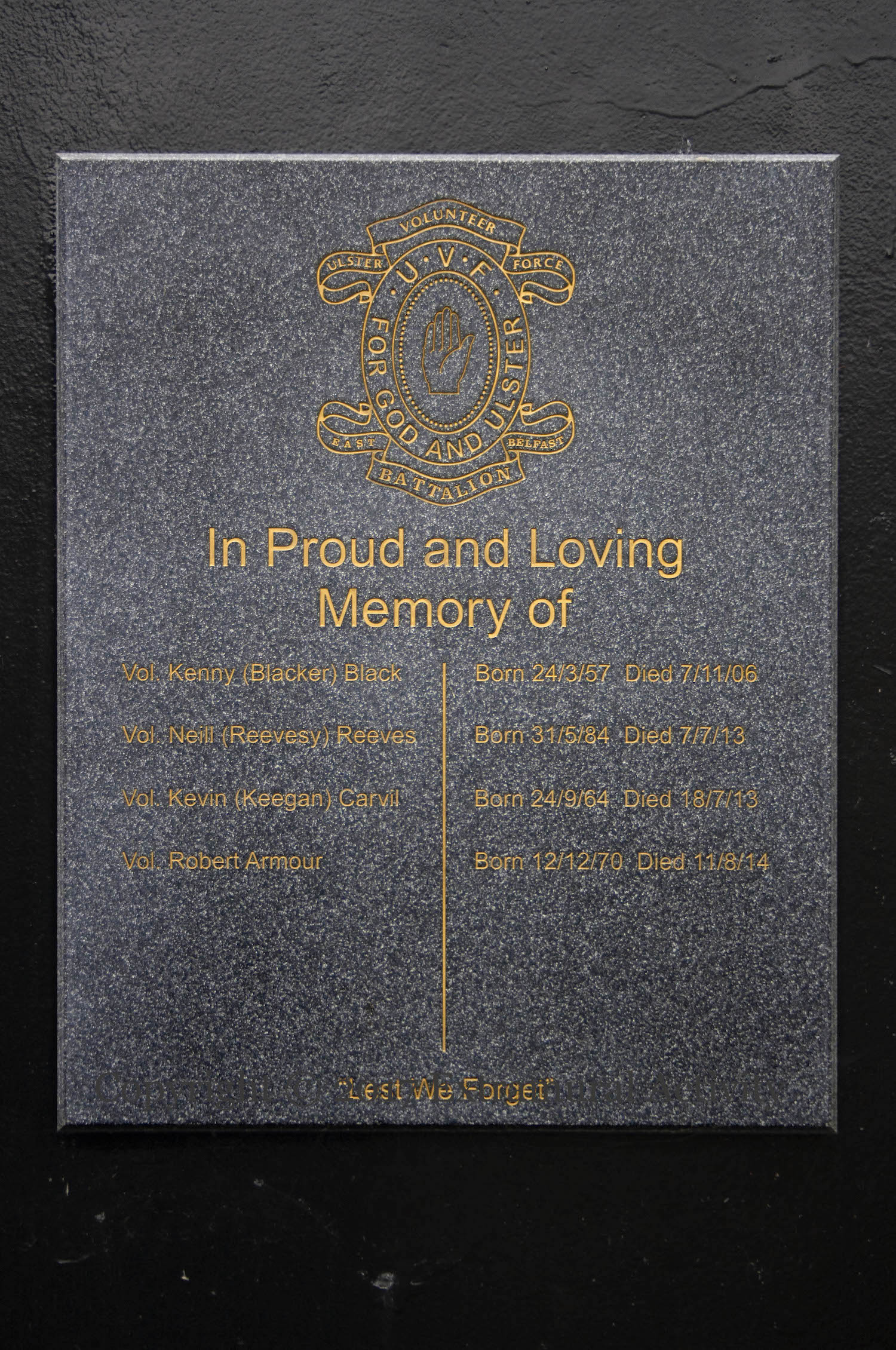
A plaque has been added to the controversial 2013 UVF mural in Inverwood Court, commemorating (fairly) recently-deceased volunteers Kenny Black, Neill Reeves (21 years old, possibly from tainted drugs) Kevin Carvil, and Robert Armour.
The quote – Freedom is never voluntarily given by the oppressor; it must be demanded by the oppressed – is from Martin Luther King. For more on the history of this wall and the MLK quote, see Direct Action.
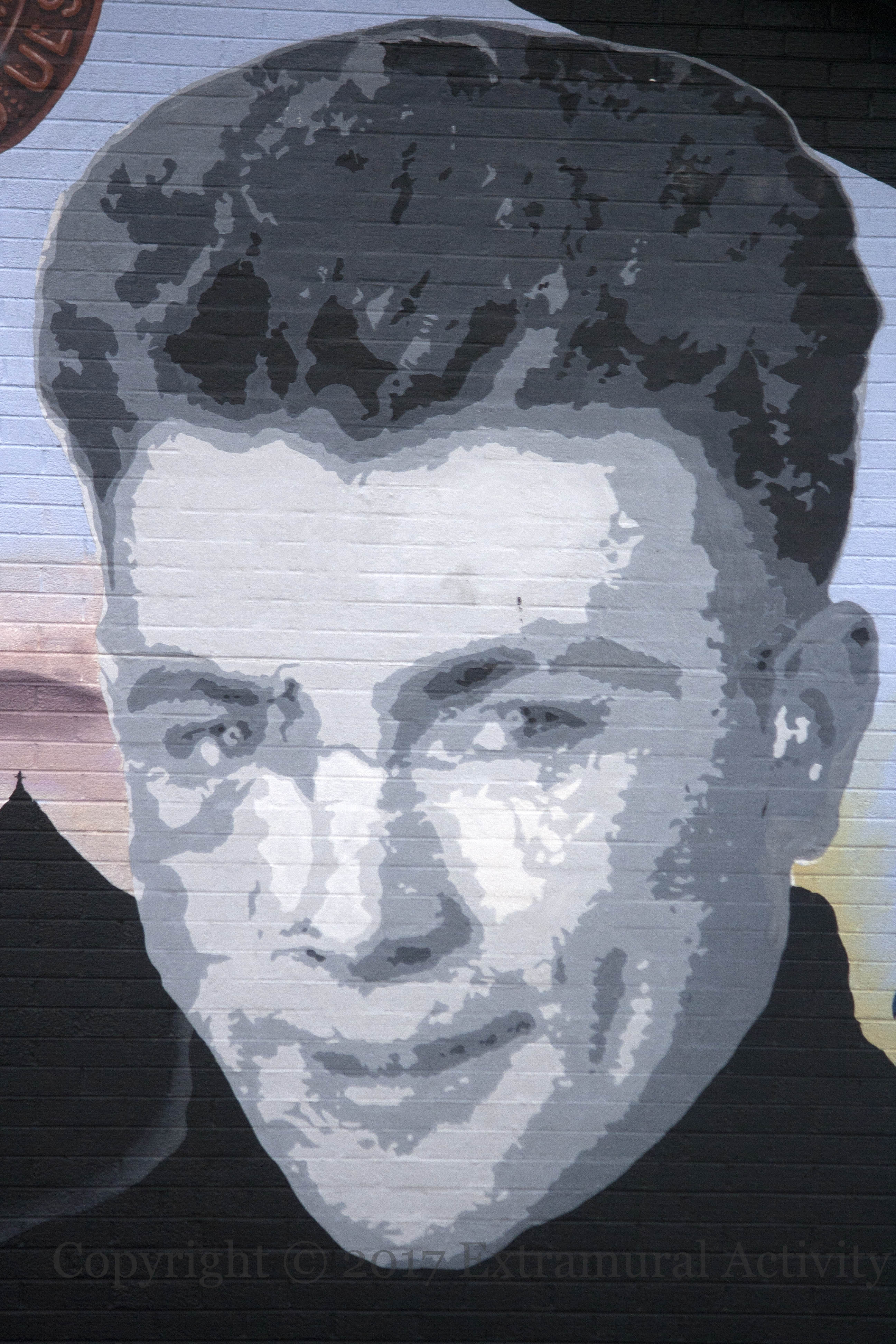
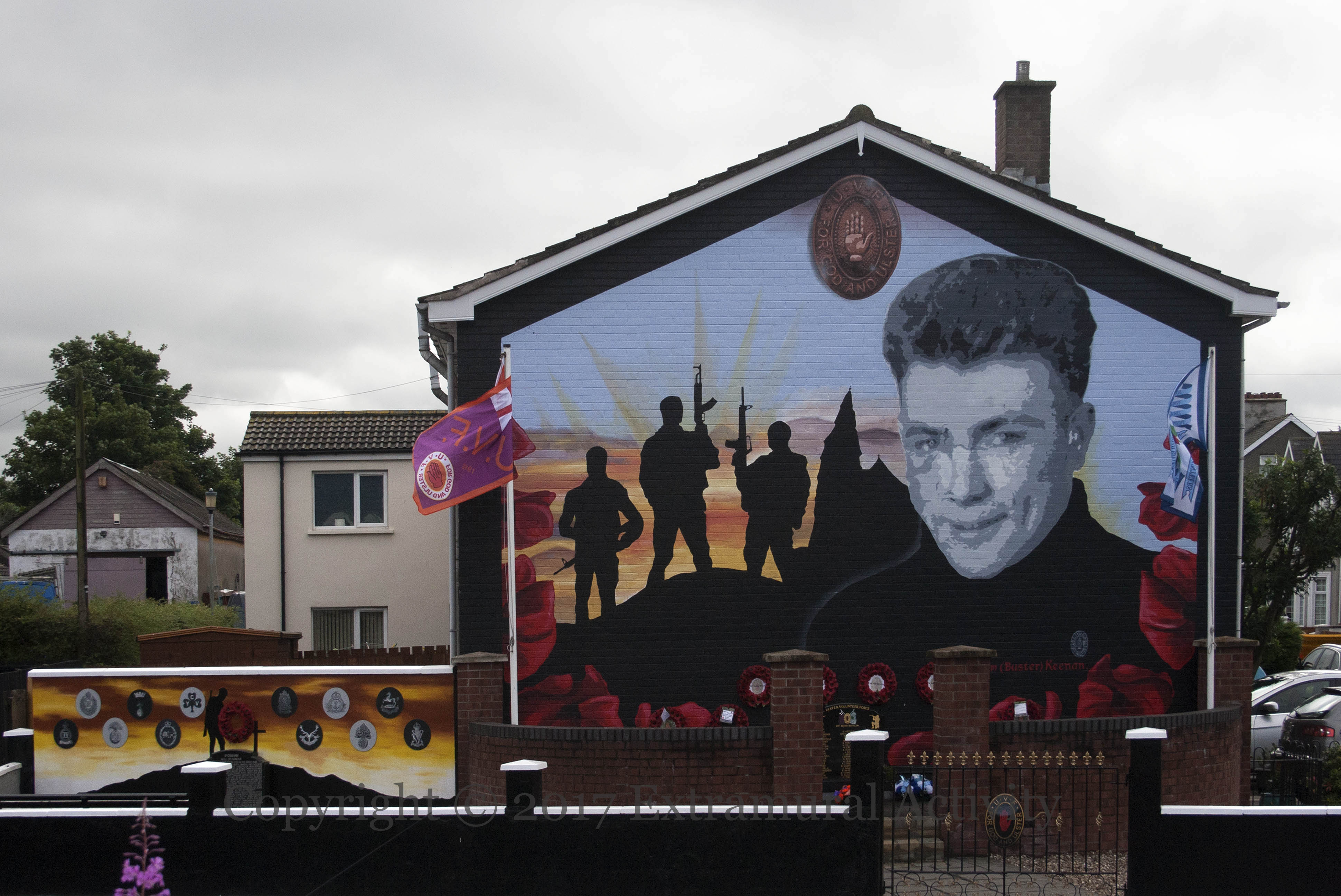
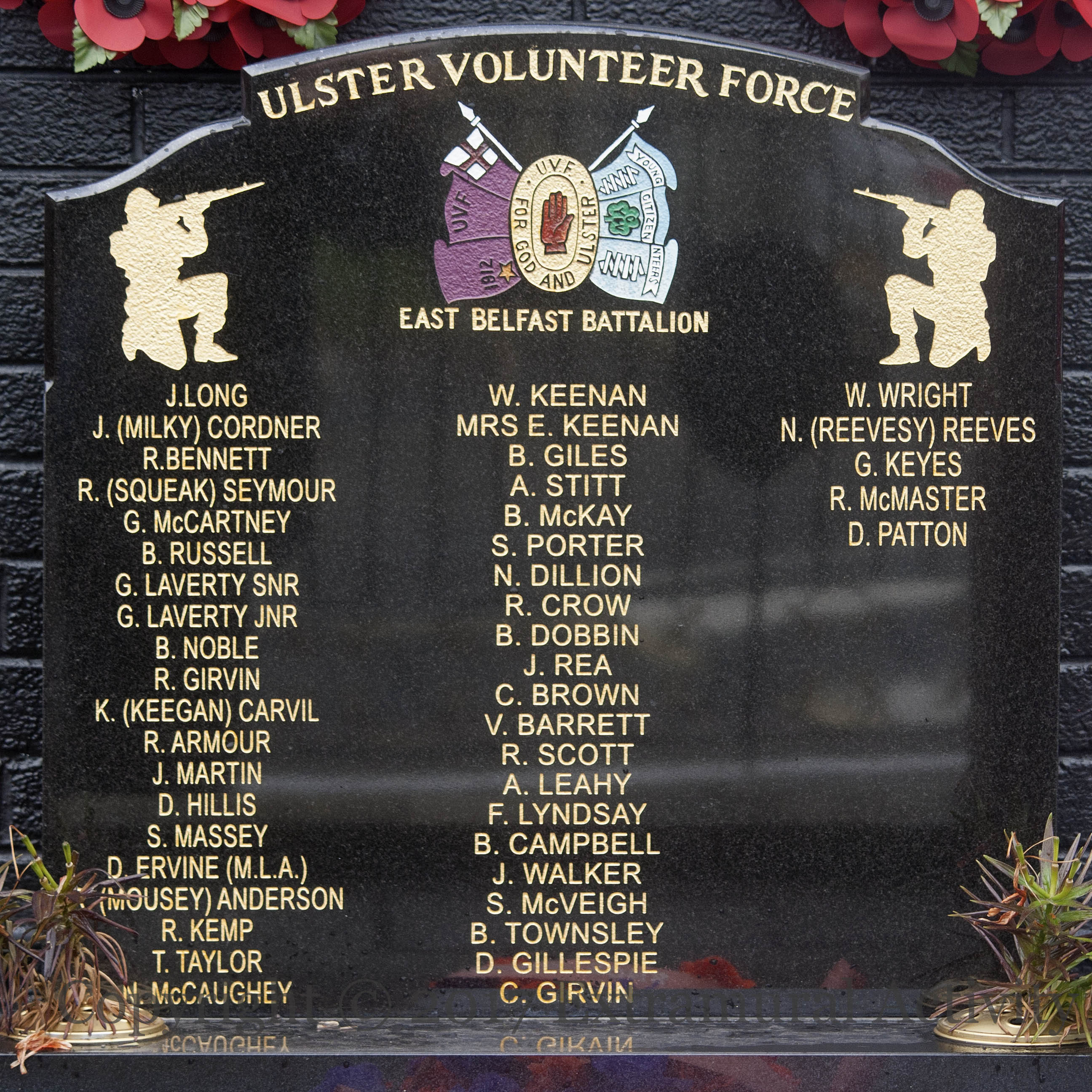
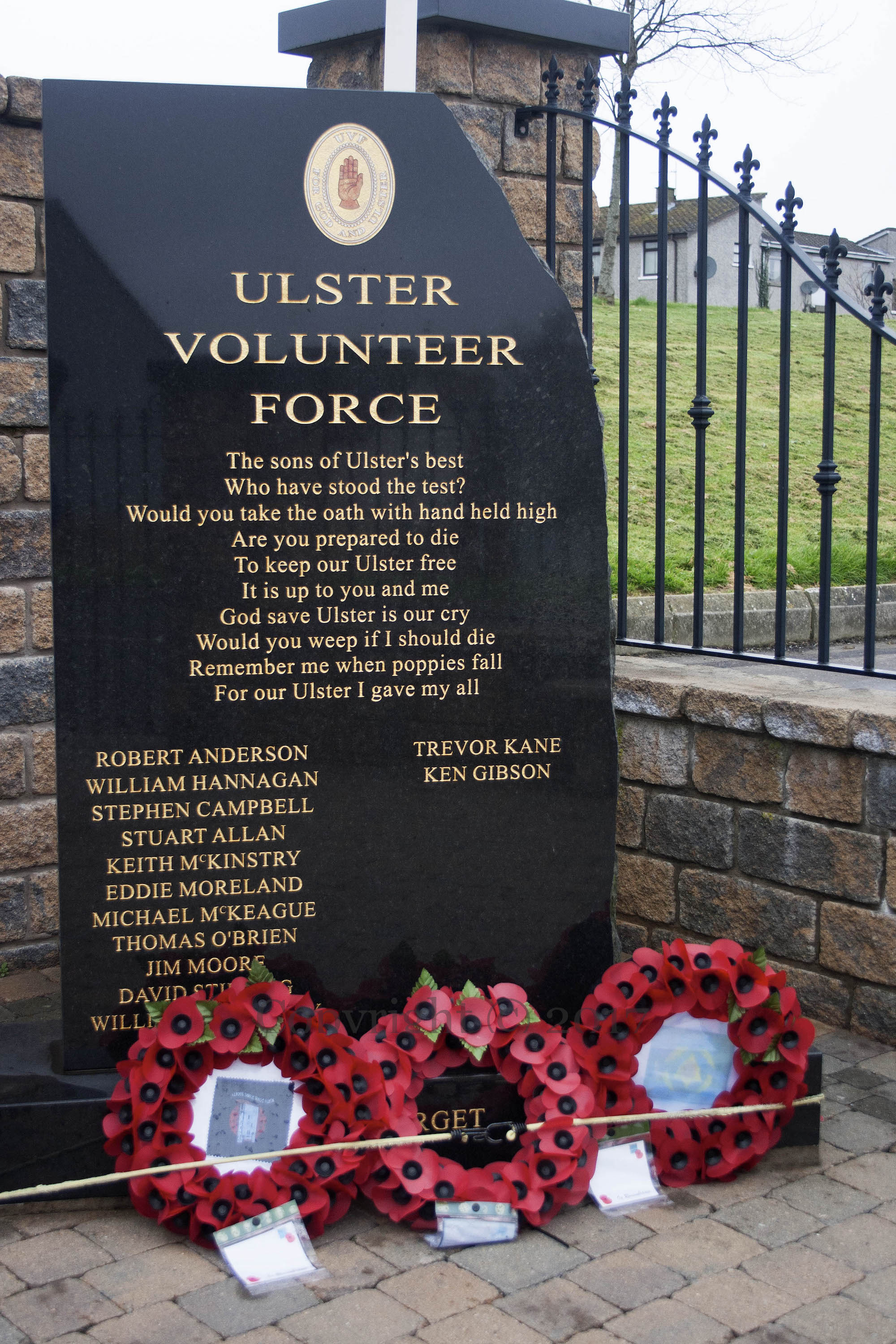
A new mural to William “Buster” Keenan was unveiled this month – July 8th – coincidentally the anniversary of wife Eileen’s death. Both are listed on the UVF memorial stone (image 3) in front of the mural, along with David Ervine and the Long-Cordner-Bennett-Seymour quartet.
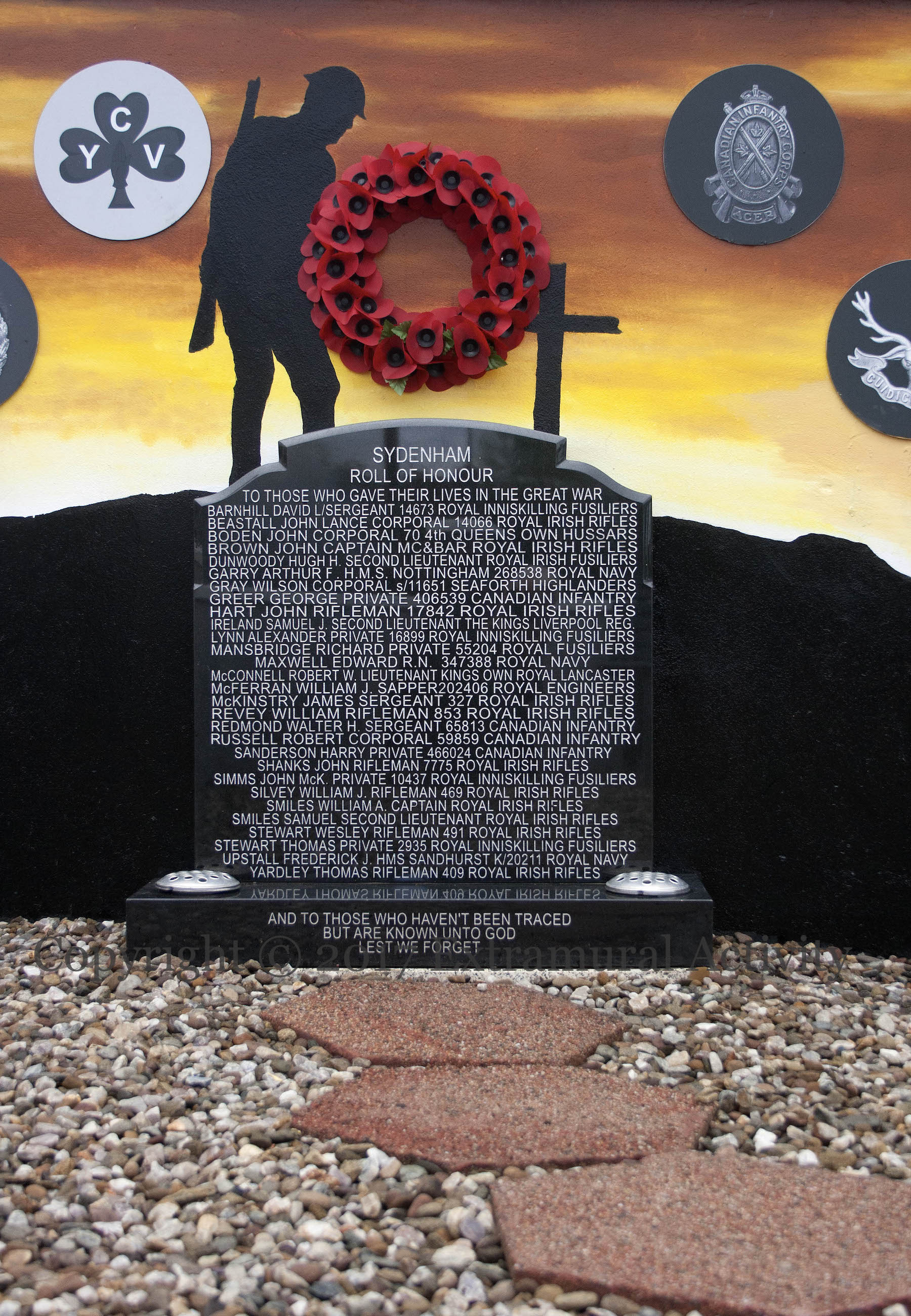
According to ACT, Keenan was involved in the Battle Of St. Matthew’s (in which Bobby Neill and James McCurrie were killed, along with Henry McIlhone). To the left (fourth image) is another “Ulster Volunteers” stone, a “Sydenham roll of honour – to those who gave their lives in the Great War”.
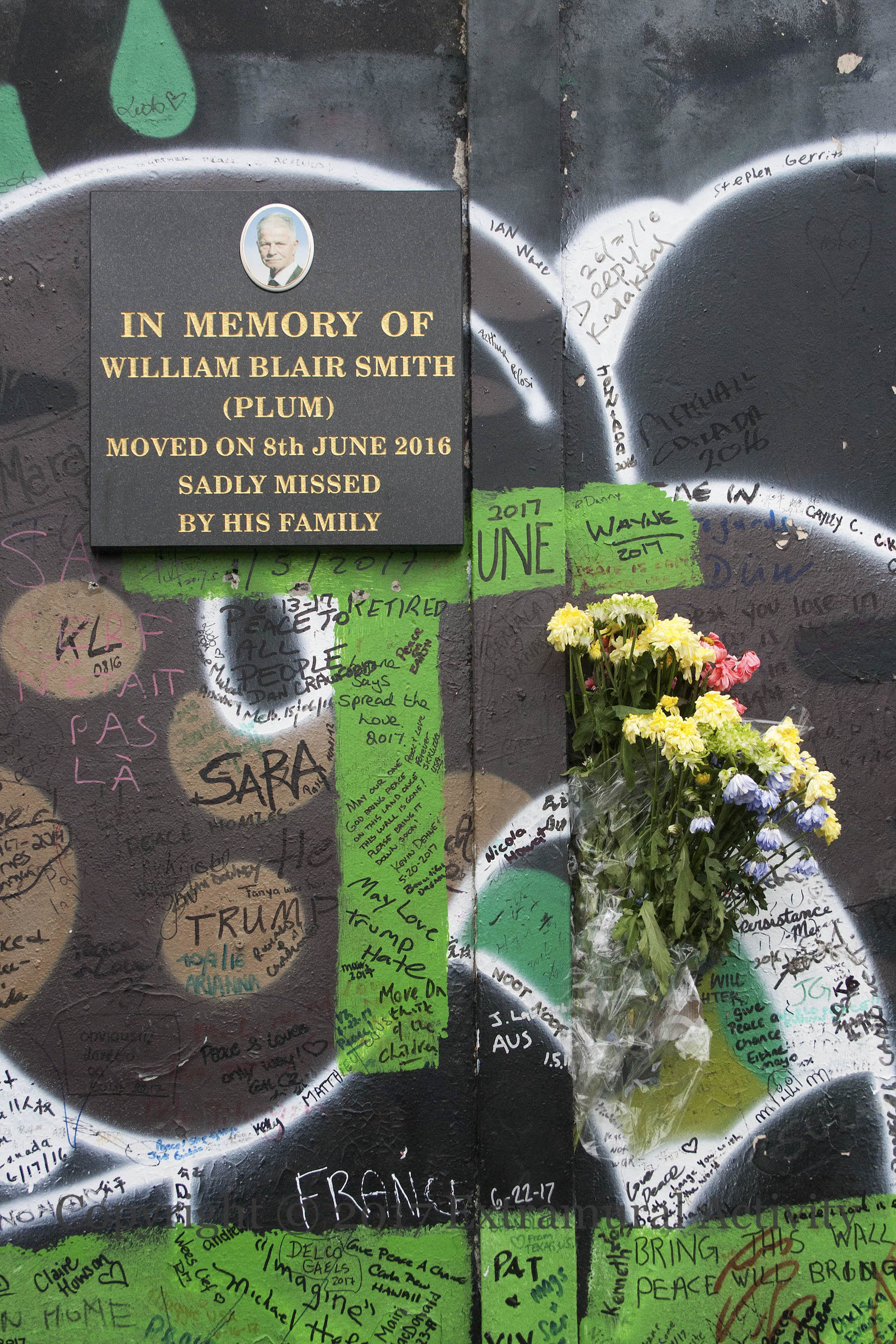
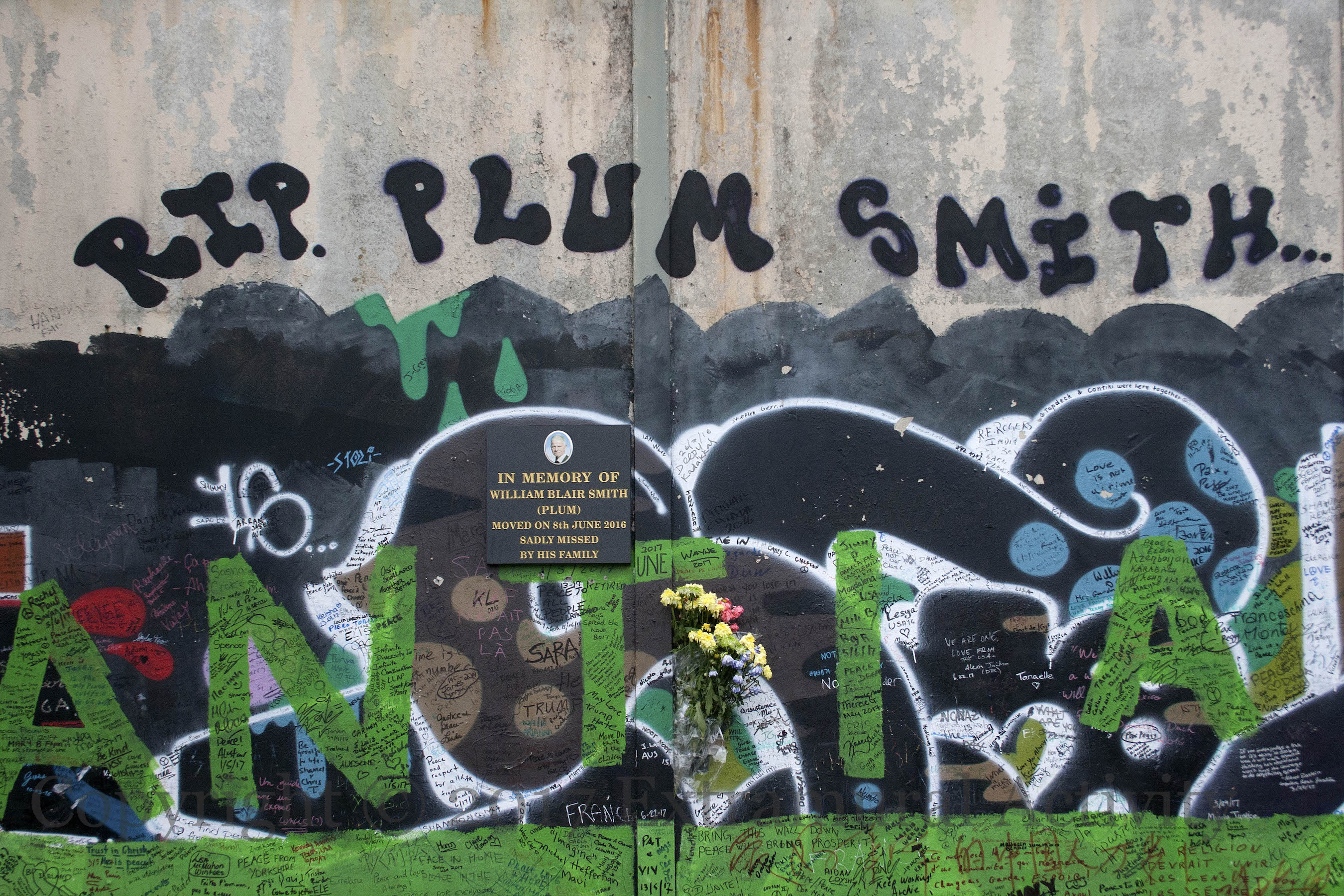
A plaque has been added to the Cupar Way “peace” line memorial to UVF man William “Plum” Smith. “Moved on 8th June 2016 – sadly missed by his family.” For more information on his life, see the previous version.
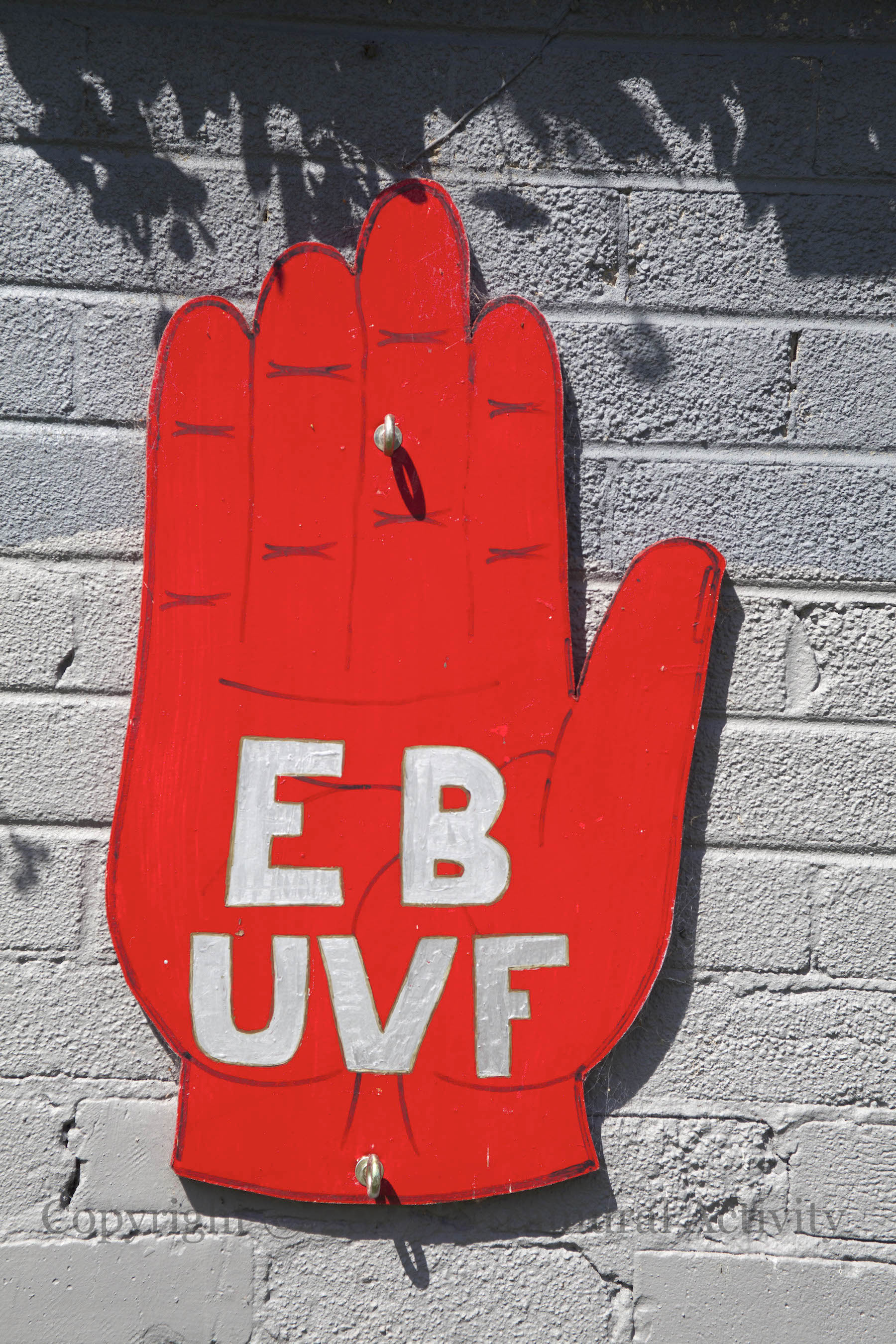
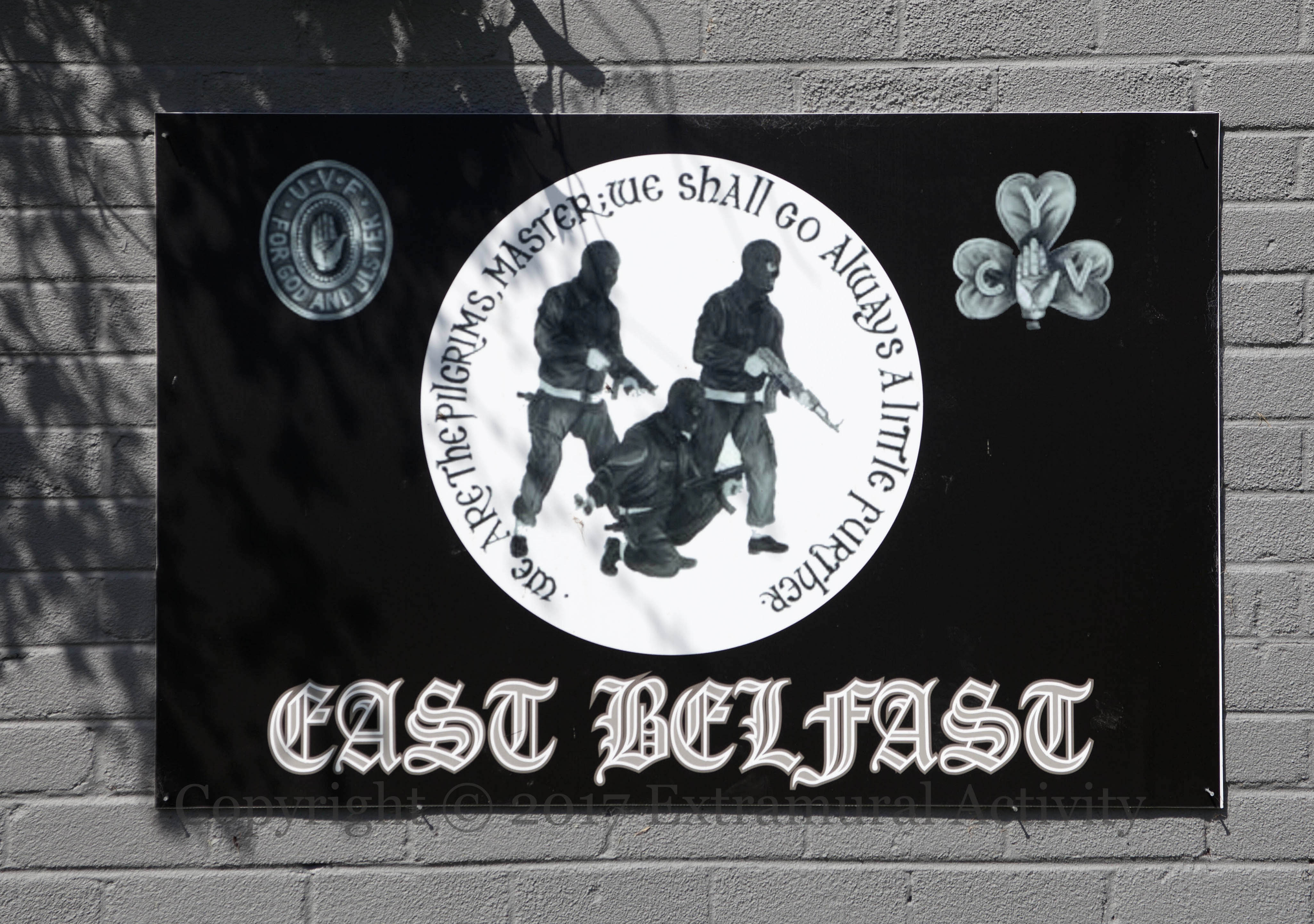
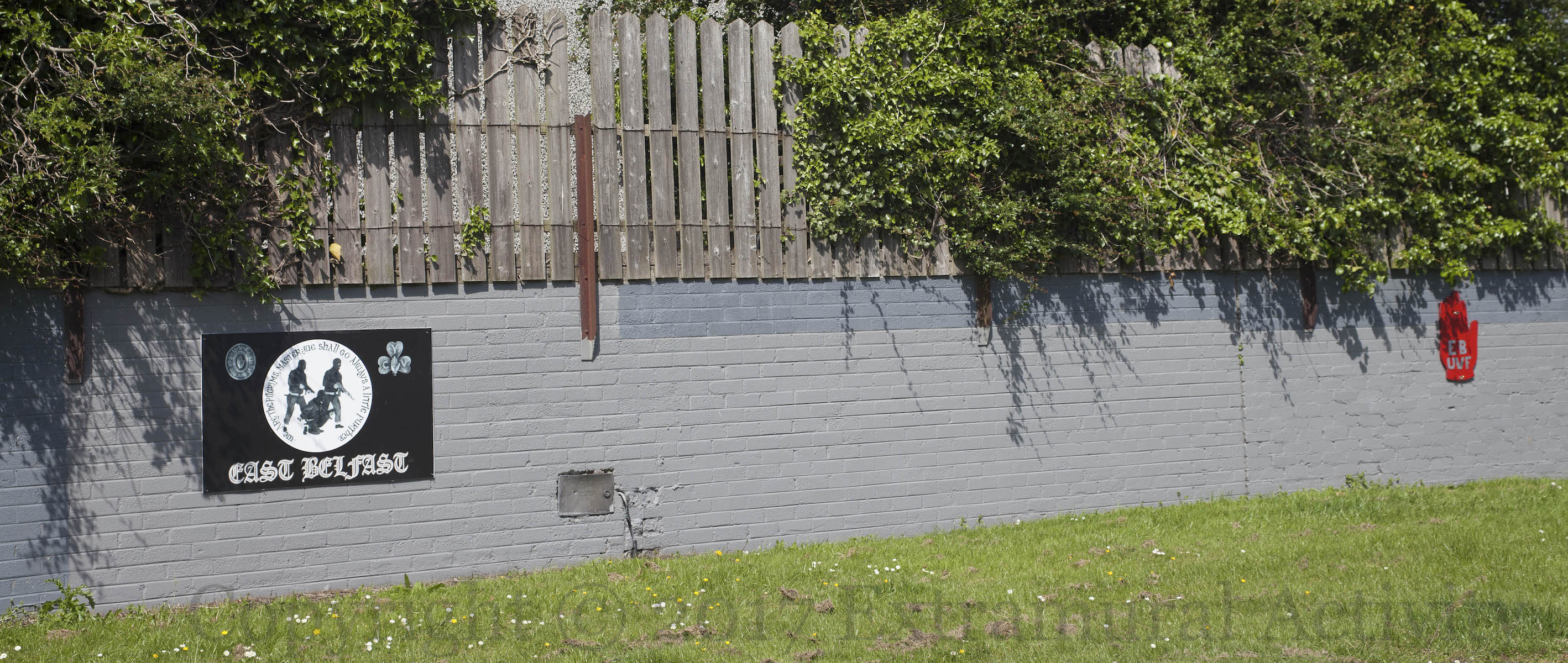
East Belfast now extends all the way to Bangor: shown here are two East Belfast UVF boards in Whitehill, one a red hand and the other the familiar “pilgrims” image, seen continuously in east Belfast since the 90s in Tamar Street, Mersey Street, and (twice) on the Newtownards Road (currently in the Iceland car park). (Article on the EB – North Down UVF dispute in nearby Bowtown area in 2015.)
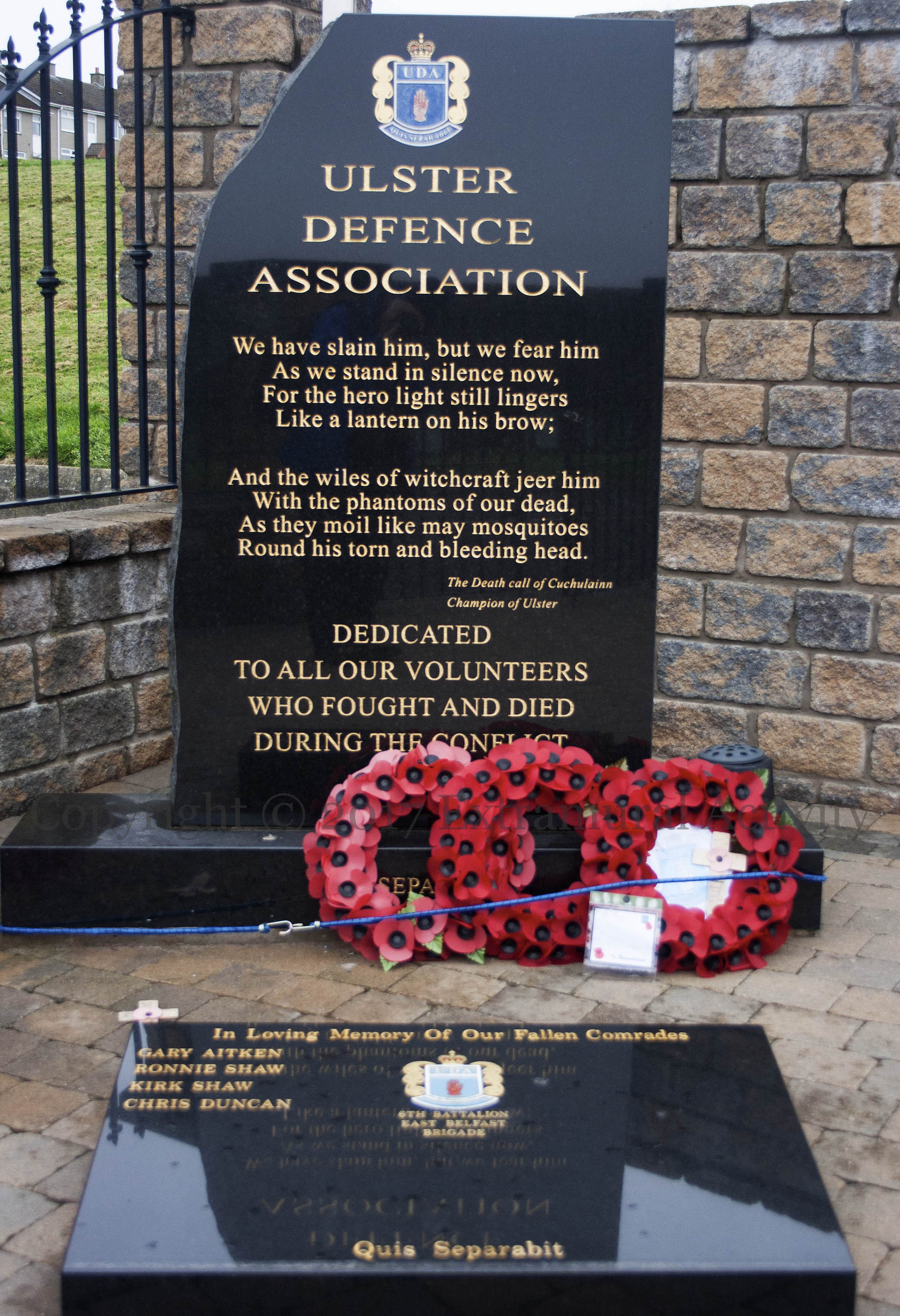
“We have slain him but we fear him/As we stand in silence now/For the hero light still lingers/Like a lantern on his brow. And the wiles of witchcraft jeer him/With the phantoms of our dead/As they moil like may mosquitoes/Round his torn and bleeding head.”
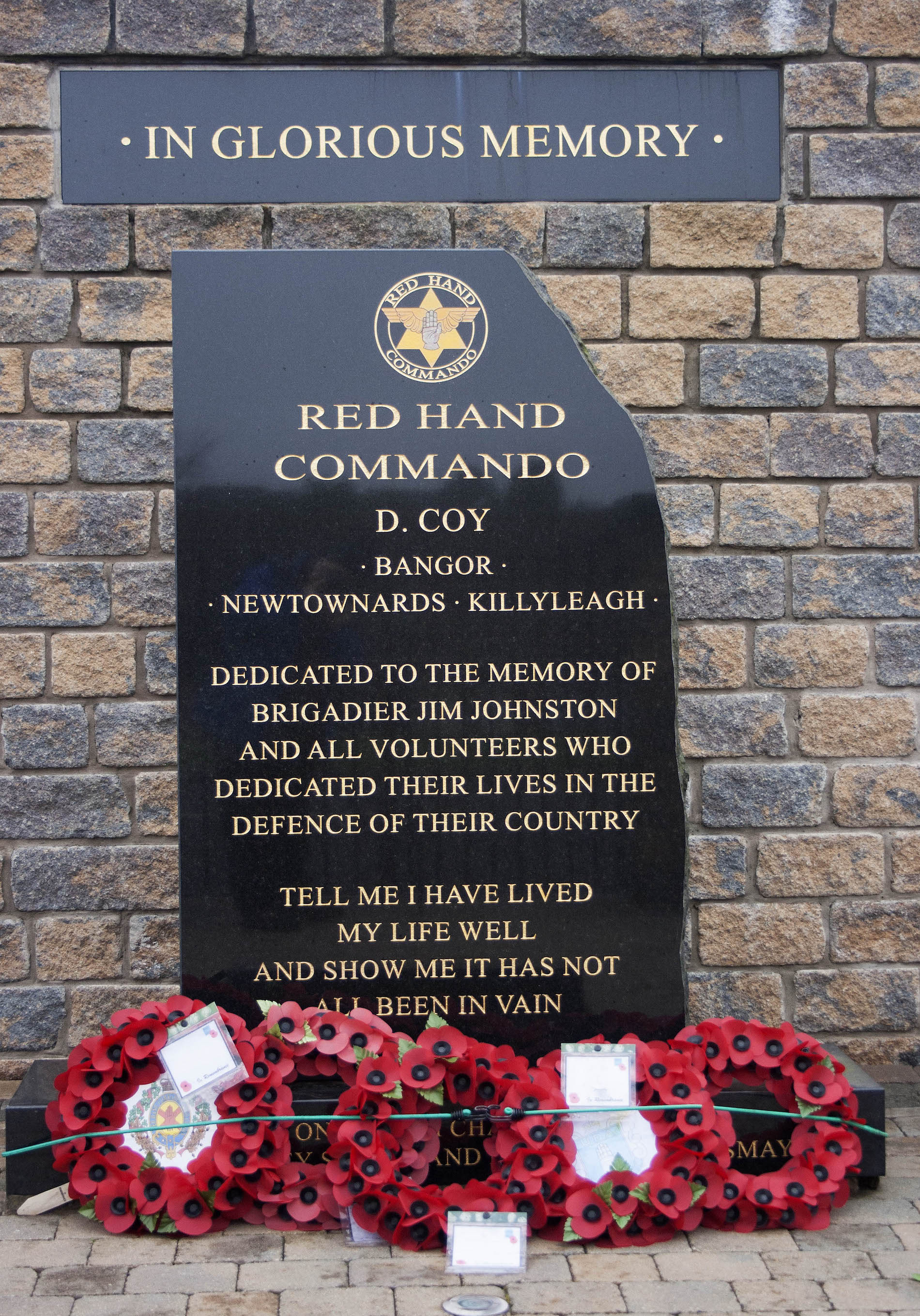
The Red Hand Commando and UVF stones are shown below. The three paramilitary stones were added independently of the WWI garden (BelTel). See Shared Space for the WWI imagery and the controversy over the garden.
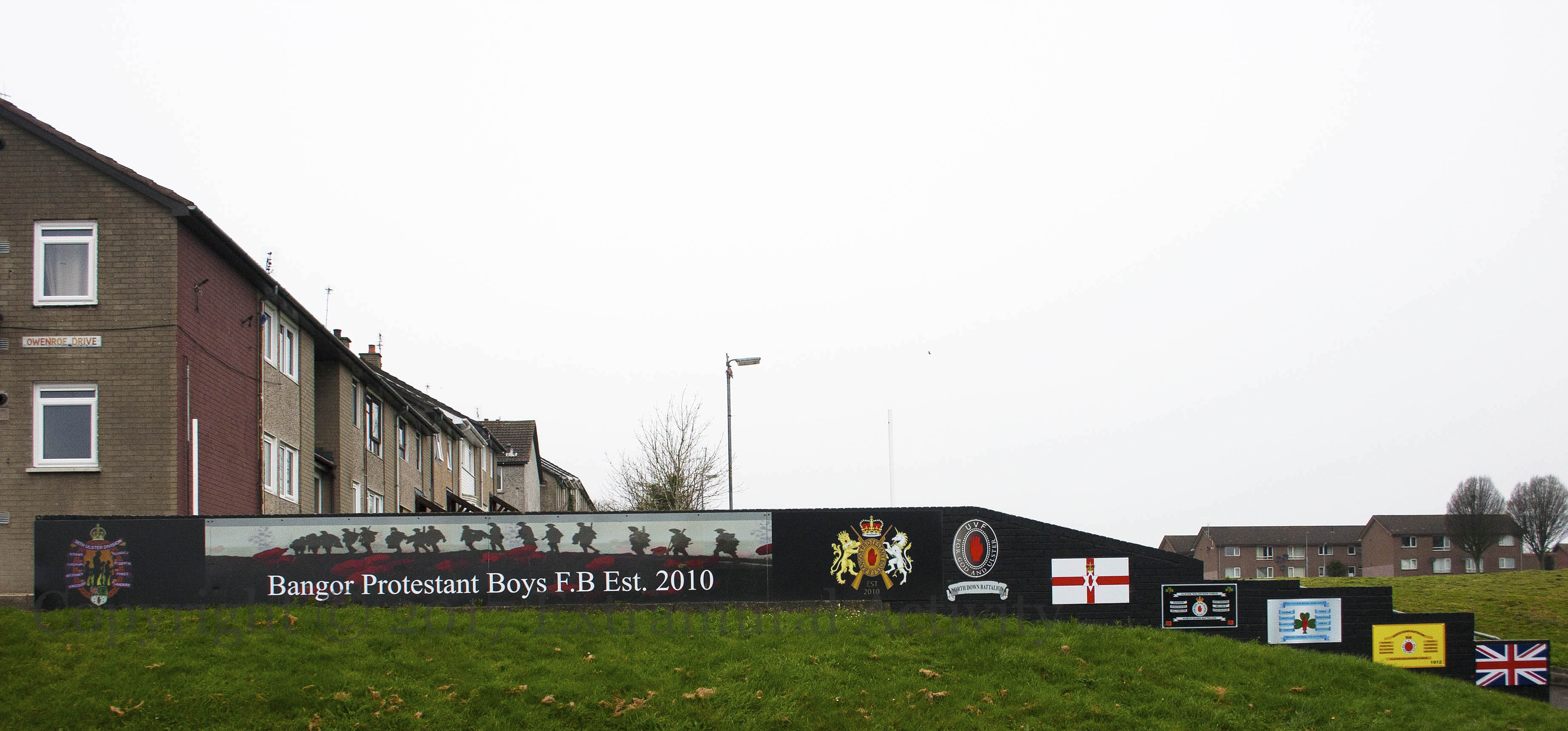
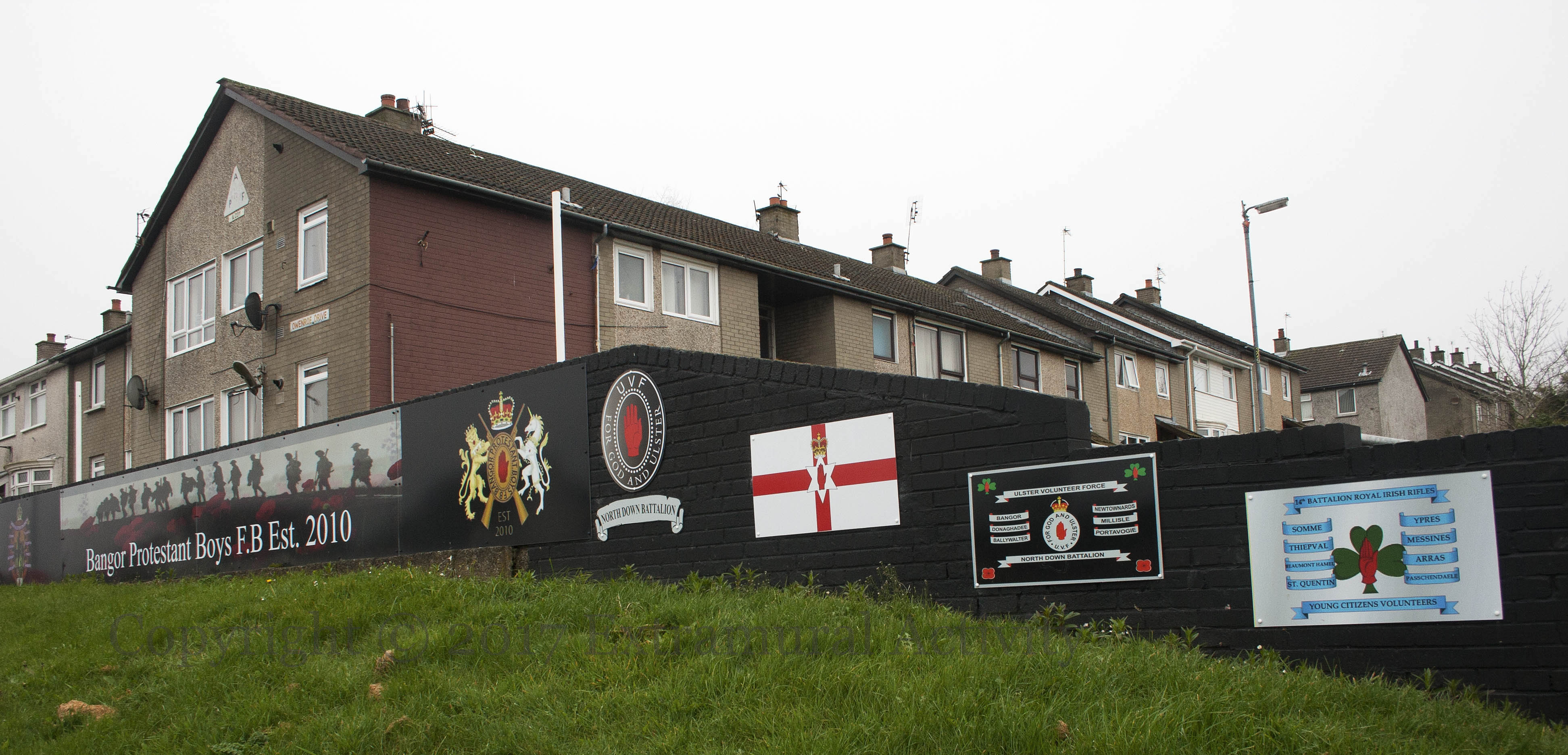
Here are images of a long wall of printed boards from the Bangor Protestant Boys Flute Band (Fb).
On the far left is a (modern) shield of the 36th (Ulster) Division – the Union flag and Irish harp above a red hand on a field of shamrocks – on a garland of orange poppies and WWI battlefields on a purple ribbon – orange and purple being the colours of the Ulster Volunteers.
Right of the long board is an emblem for the band itself: the lion and the unicorn on either side of crossed rifles and the red hand of Ulster on an oval.
The five small boards use the Ulster Banner and Union Flag as book-ends. Between them are three concerning the Ulster Volunteers. Recruiting for the Ulster Volunteers in Down was so successful that it was divided into four areas (North, South, East, and West), each with a battalion, and the North down battalion comprised 15 companies (History Ireland). The Down battalions became the 13th battalion of the (108th Brigade) Royal Irish Rifles in WWI. The YCV (Young Citizen Volunteers) was formed separately (in 1912) but joined the Volunteers in May 1914, before becoming the (109th Brigade) 14th battalion of the Royal Irish Rifles when the war broke out (WP). Both began their campaigns at Boulogne-Sur-Mer in October, 1915 (WP).
“At Ulster’s call, they gave their all, a different war, on a different day, a bloody sacrifice, was the price to pay.” Here are photographic portraits of four UVF members – Robert “Squeak” Seymour (east Belfast commander), Joe Long, Robert Bennett, James Cordner – on panels adjacent to the new Somme mural in London Road. Seymour died in 1988, the others in the early seventies.