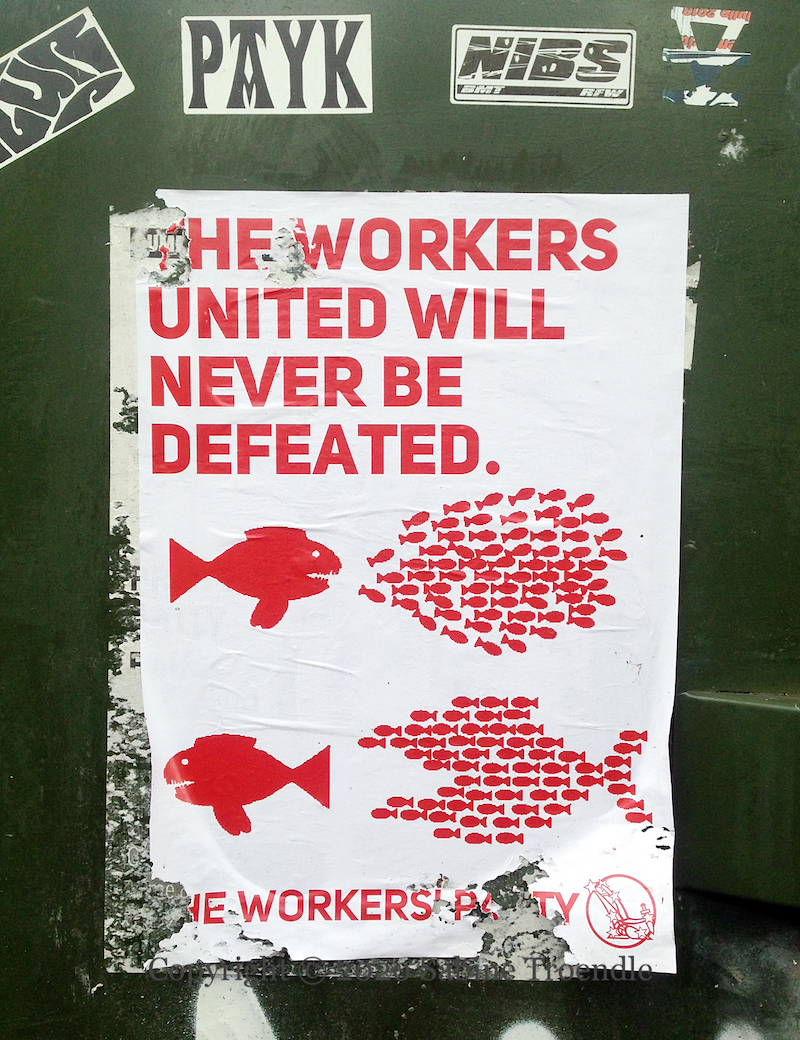
The Workers United Will Never Be Defeated

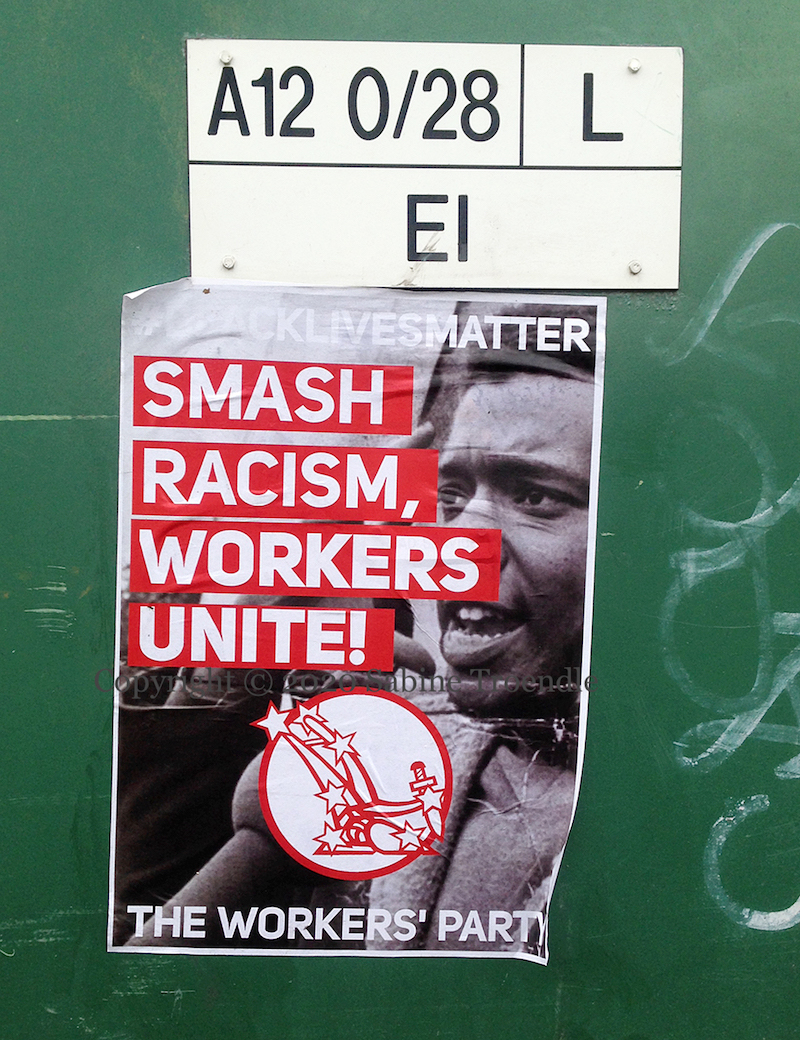
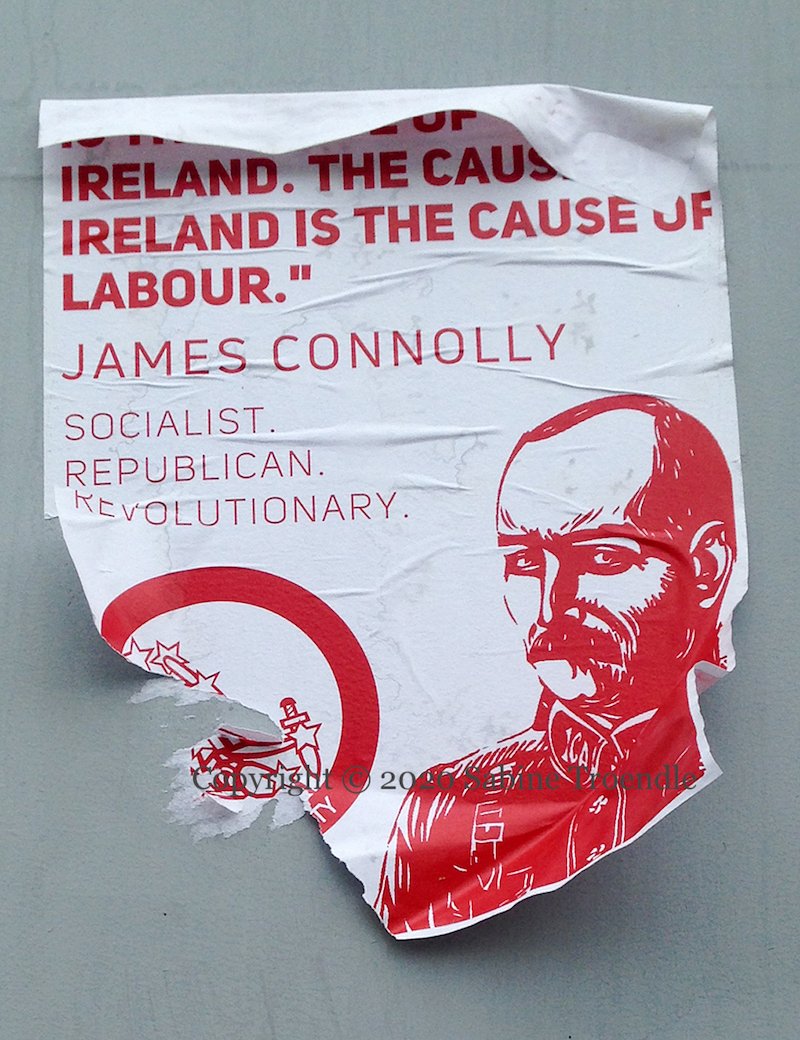
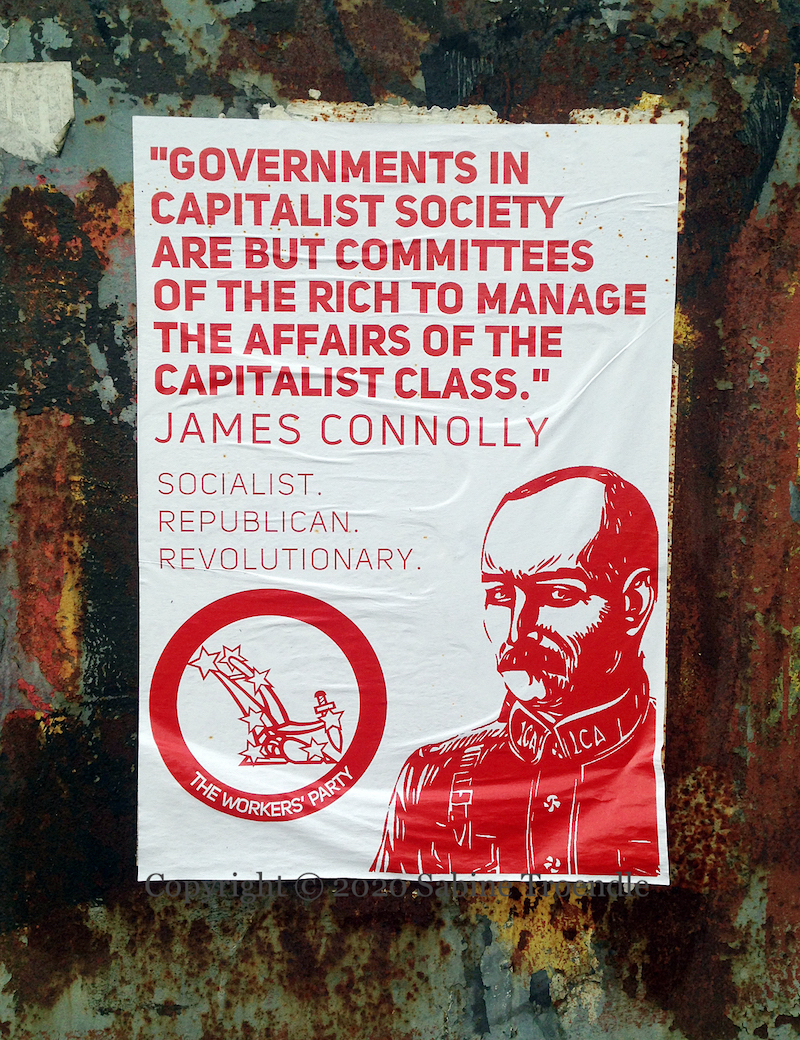
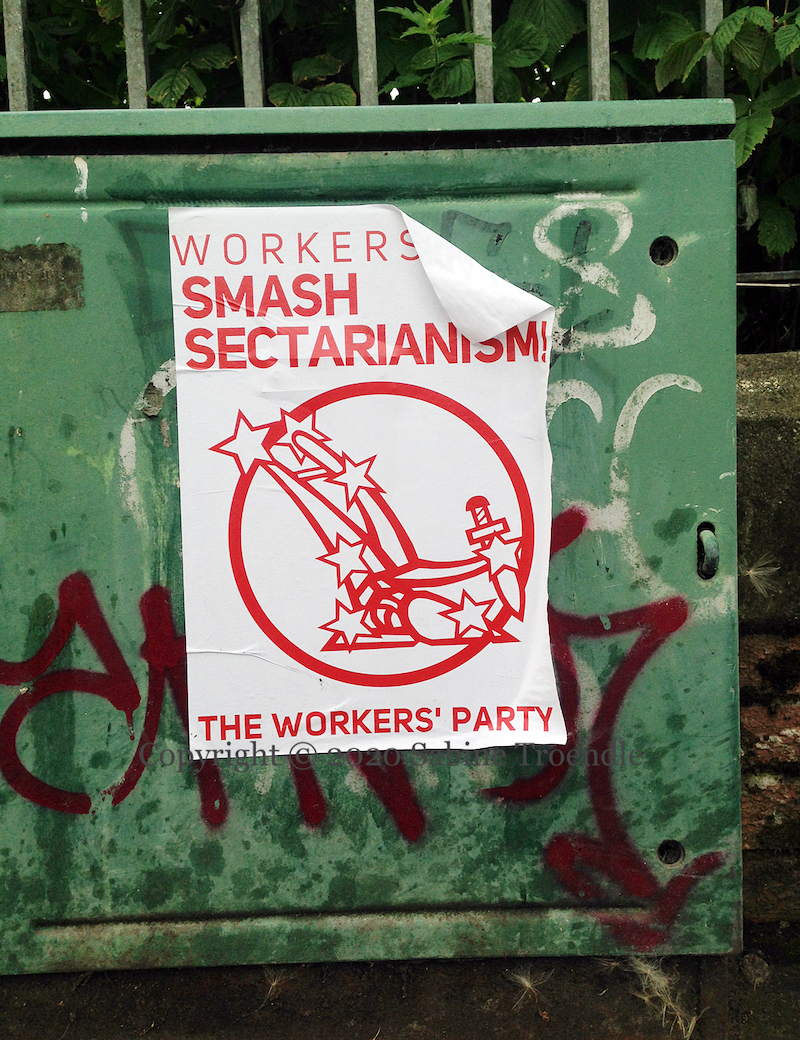
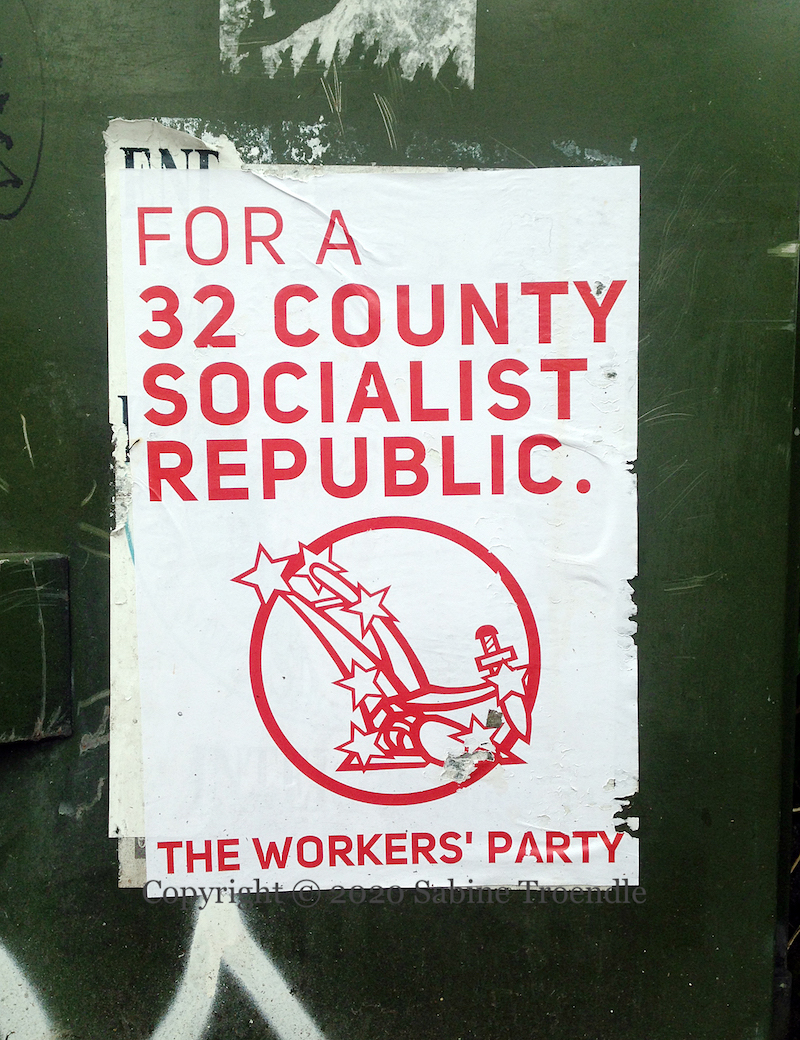
Workers’ Party (web | Fb) posters along the Falls, drawing inspiration from Black Lives Matter and James Connolly: “Governments in capitalist society are but committees of the rich to manage the affairs of the capitalist class” (from ‘The War Upon The German Nation’ 1914) and “The cause of labour is the cause of Ireland. The cause of Ireland is the cause of labour.” (‘The Irish Flag’ 1916)
Click image to enlarge
Copyright © 2020 Sabine Troendle (web | Fb)
X07426 X07425 X07427 X07429 X07430 X07428
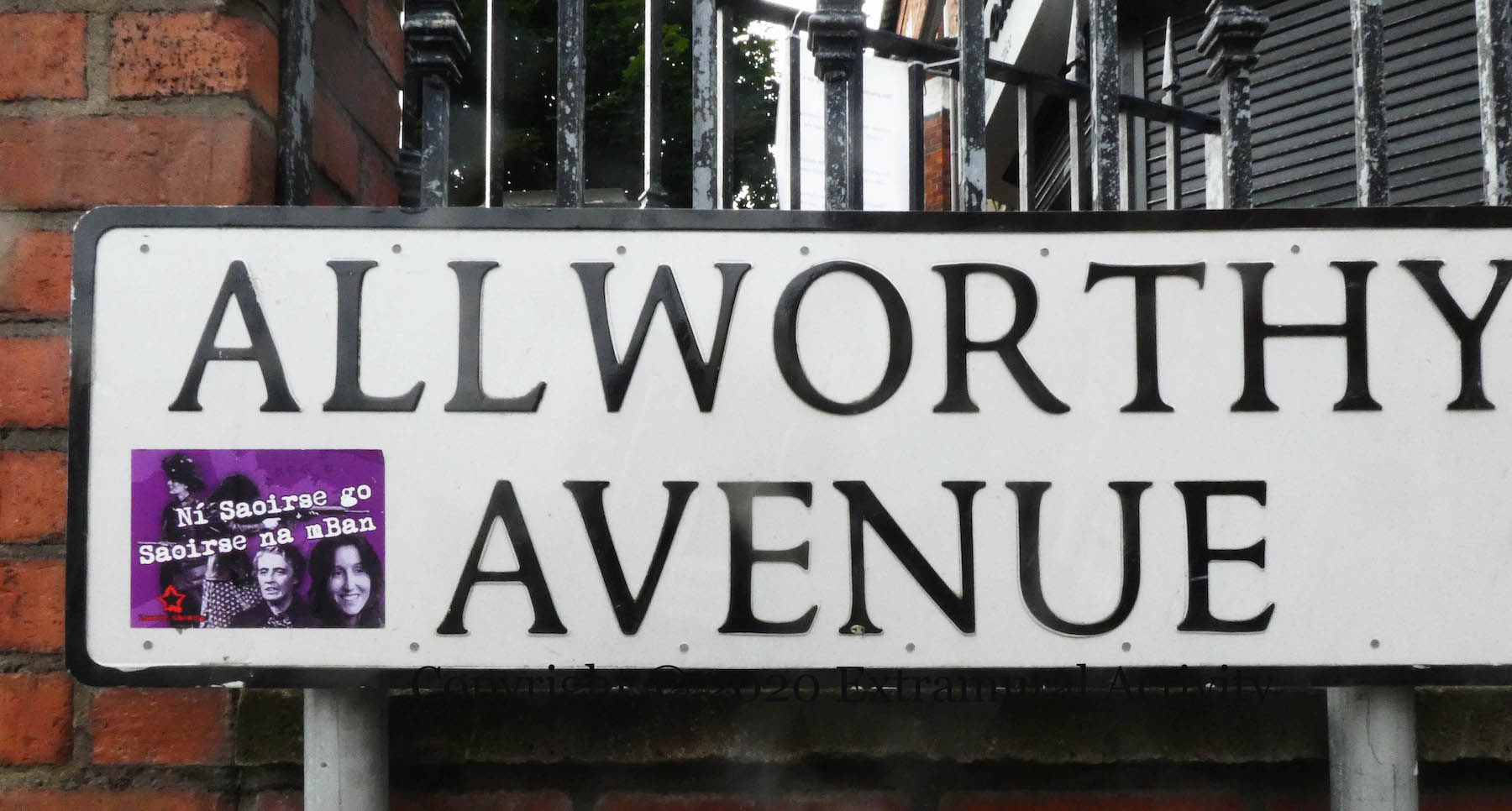
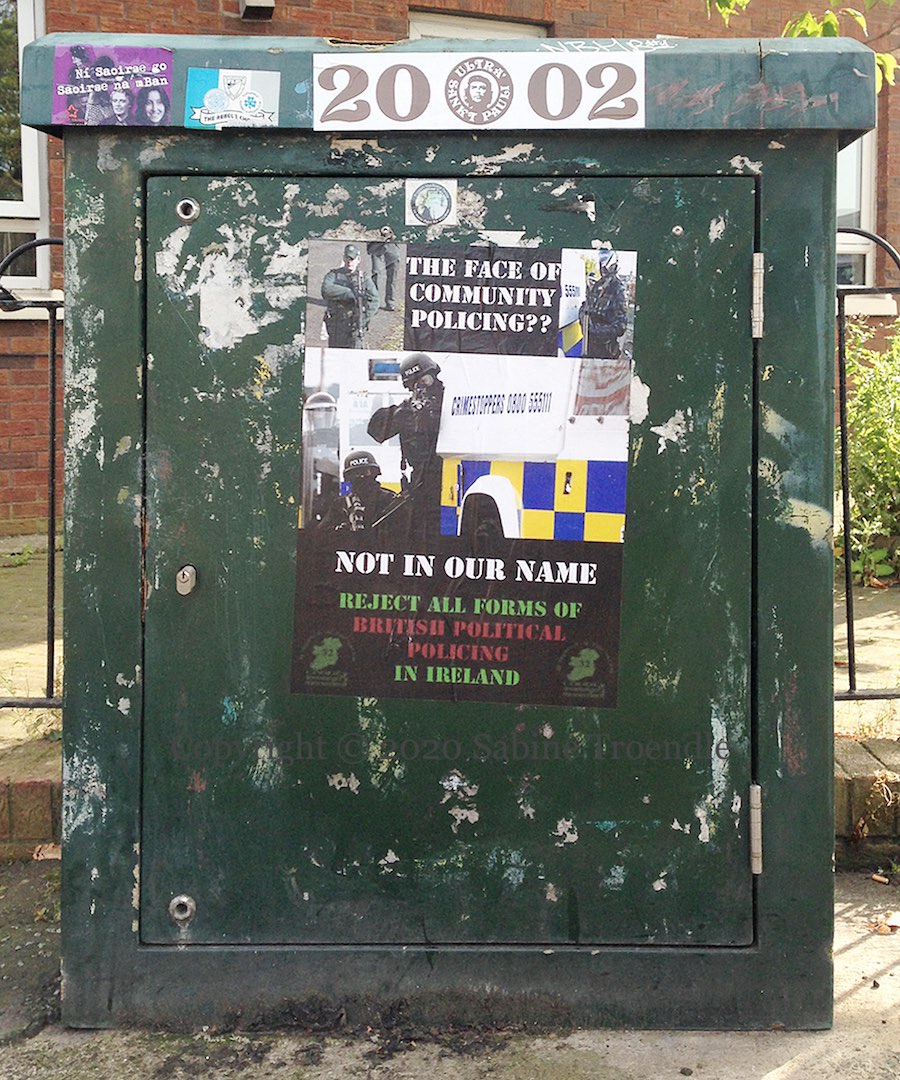
Ní Saoırse Go Saoırse Na mBan

Ní saoırse go saoırse na mban [“There is no freedom without the freedom of women”] with images of Countess Markievicz, Colman Doyle’s famous ?1974? image of a (staged) female IRA volunteer with AR-18, Máıre Drumm, and Maıréad Farrell. Lasaır Dhearg (web) sticker in north Belfast.

Click image to enlarge
Copyright © 2020 Sabine Troendle (web | Fb)
X07784 X07715

Rock Of Ages

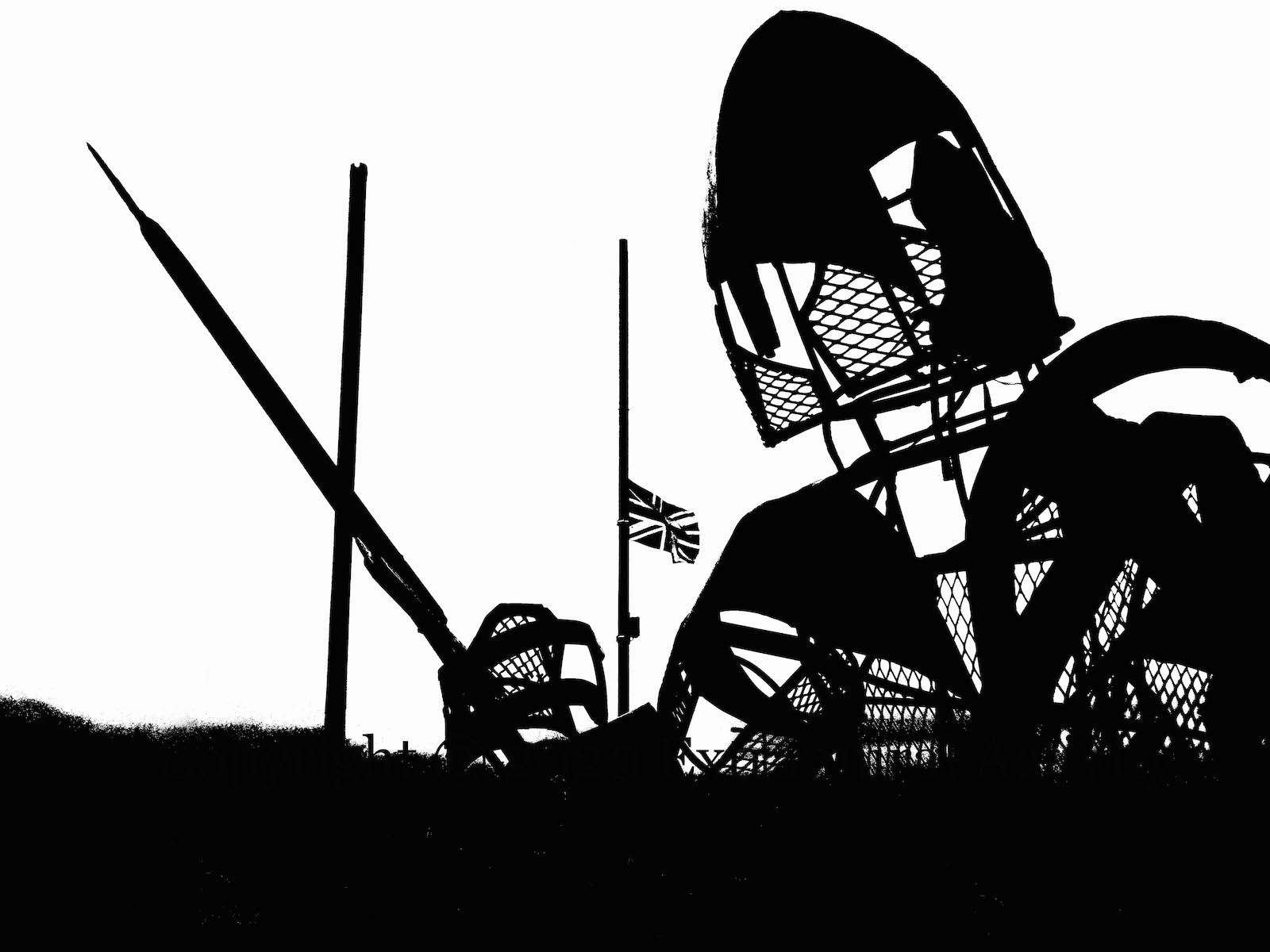
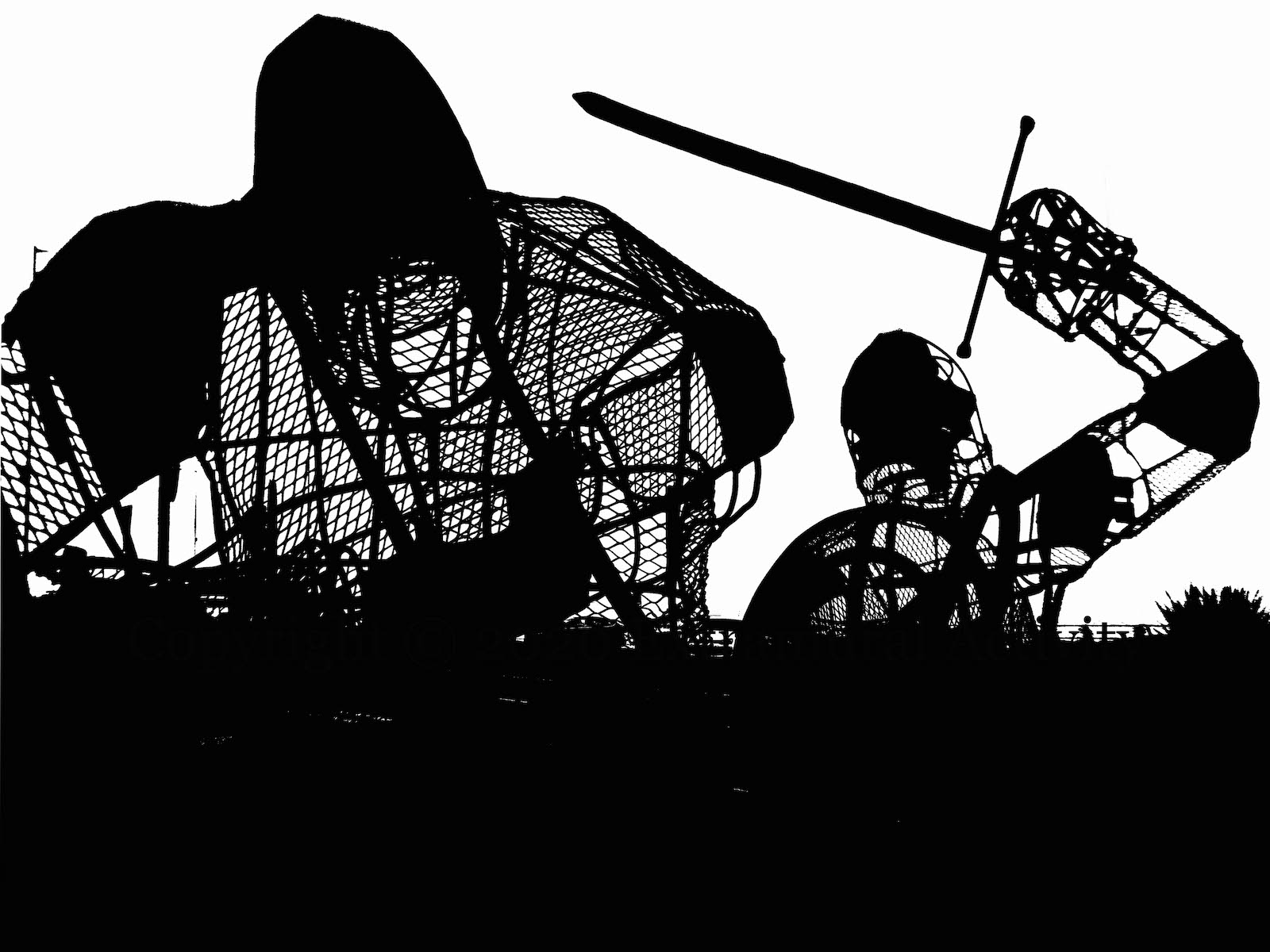
Carrickfergus castle was founded by the Anglo-Norman knight John de Courcy in 1177 and it became the stronghold of power in the north of Ireland, leading to its besiegement over time by a litany of Scots, Irish, English – including under Schomberg in 1689 – and French forces (WP). In the present day, the flag of a Kingdom uniting England, Scotland, and (Northern) Ireland currently flies on Marine Highway next to the sculpture showing three Anglo-Norman knights defending the castle (unsuccessfully) against the forces of Edward Bruce of Scotland in 1315 (info plaque). The sculptor is unknown.

See also The Carrickfergus Knights, a painting of the statues on a shop’s shutters in the town.

Click image to enlarge
Copyright © 2020 Seosamh Mac Coılle
X07412 X07411 [X07413] [X07414]

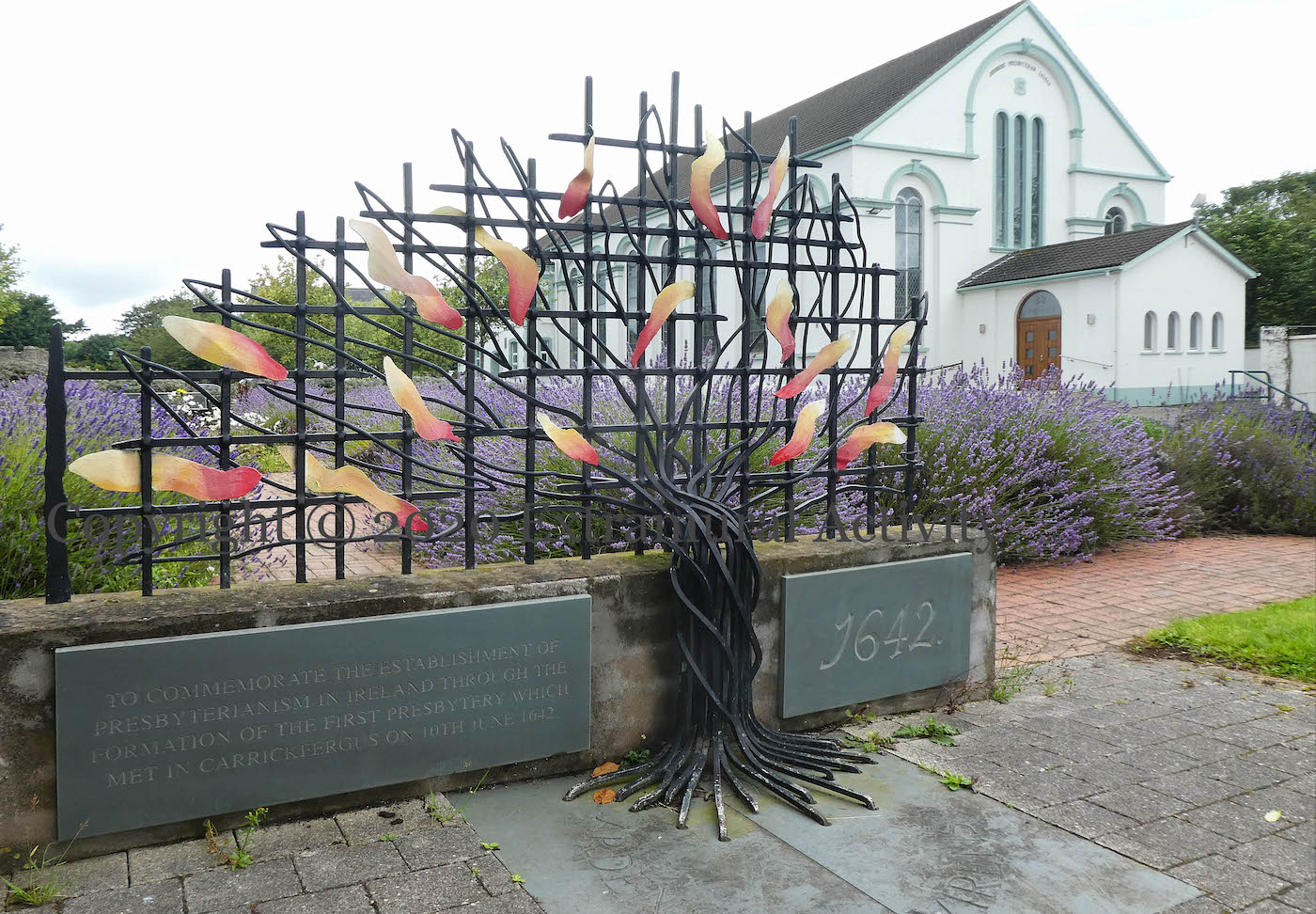
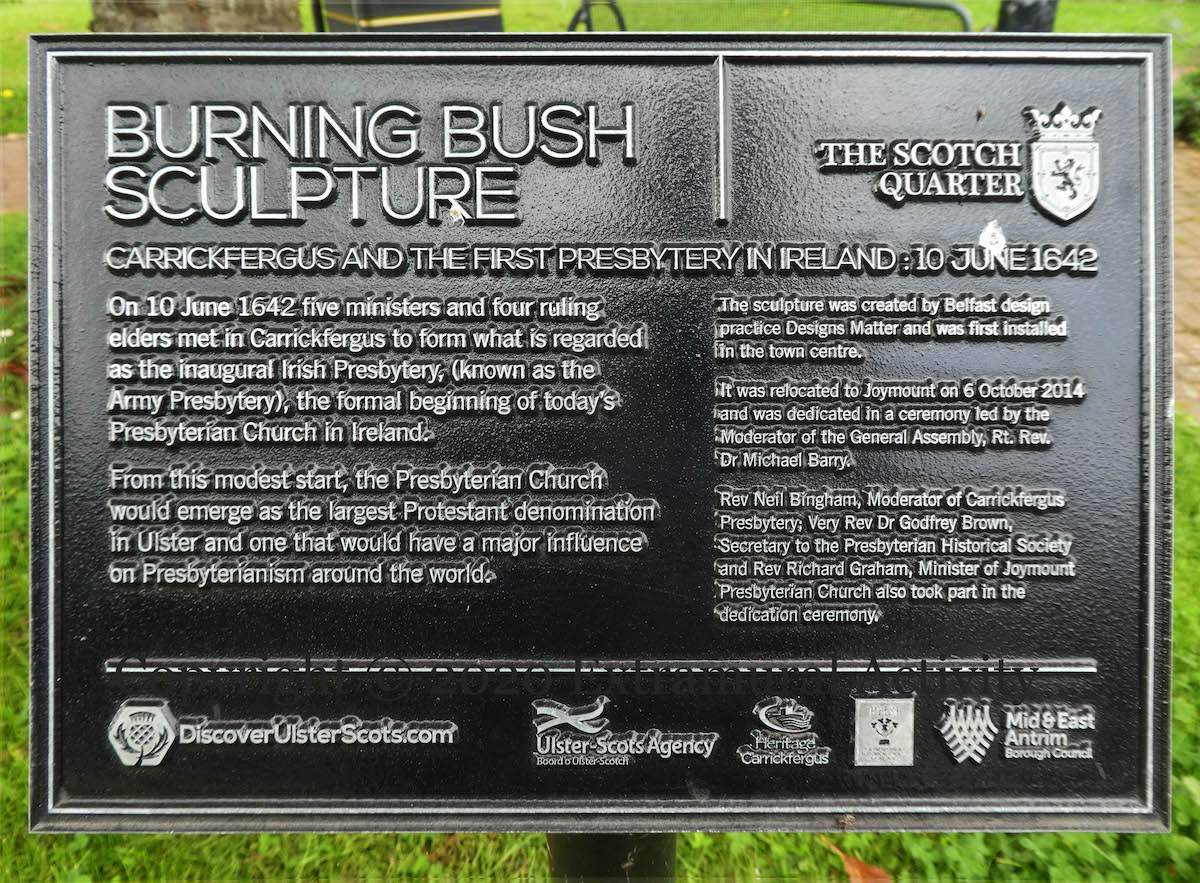
The Burning Bush

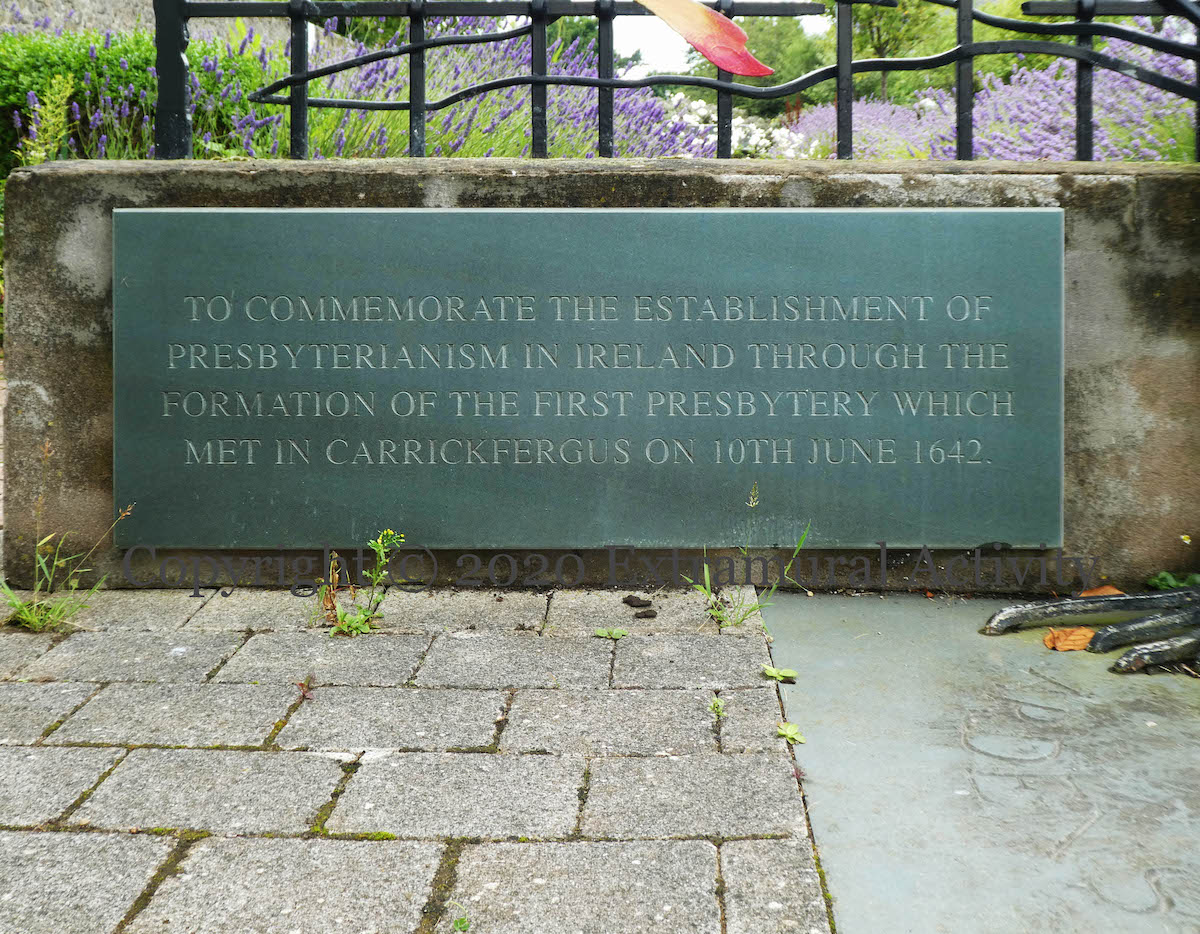
“To commemorate the establishment of Presbyterianism in Ireland through the formation of the first presbytery which met in Carrickfergus on 10th June 1642.” Presbyterianism began in Scotland circa 1560 under John Knox and spread to Ireland with the colonising settlers of the 1600s. (For more on the first presbytery, see Ancestry Ireland.) Although Presbyterians supported the Williamite campaign they were subsequently discriminated against as “dissenters” from Anglicanism.

The sculpture is at Joymount Presbyterian in Carrickfergus.

Click image to enlarge
Copyright © 2020 Seosamh Mac Coılle
X07402 X07403 X07404

The Leper Window

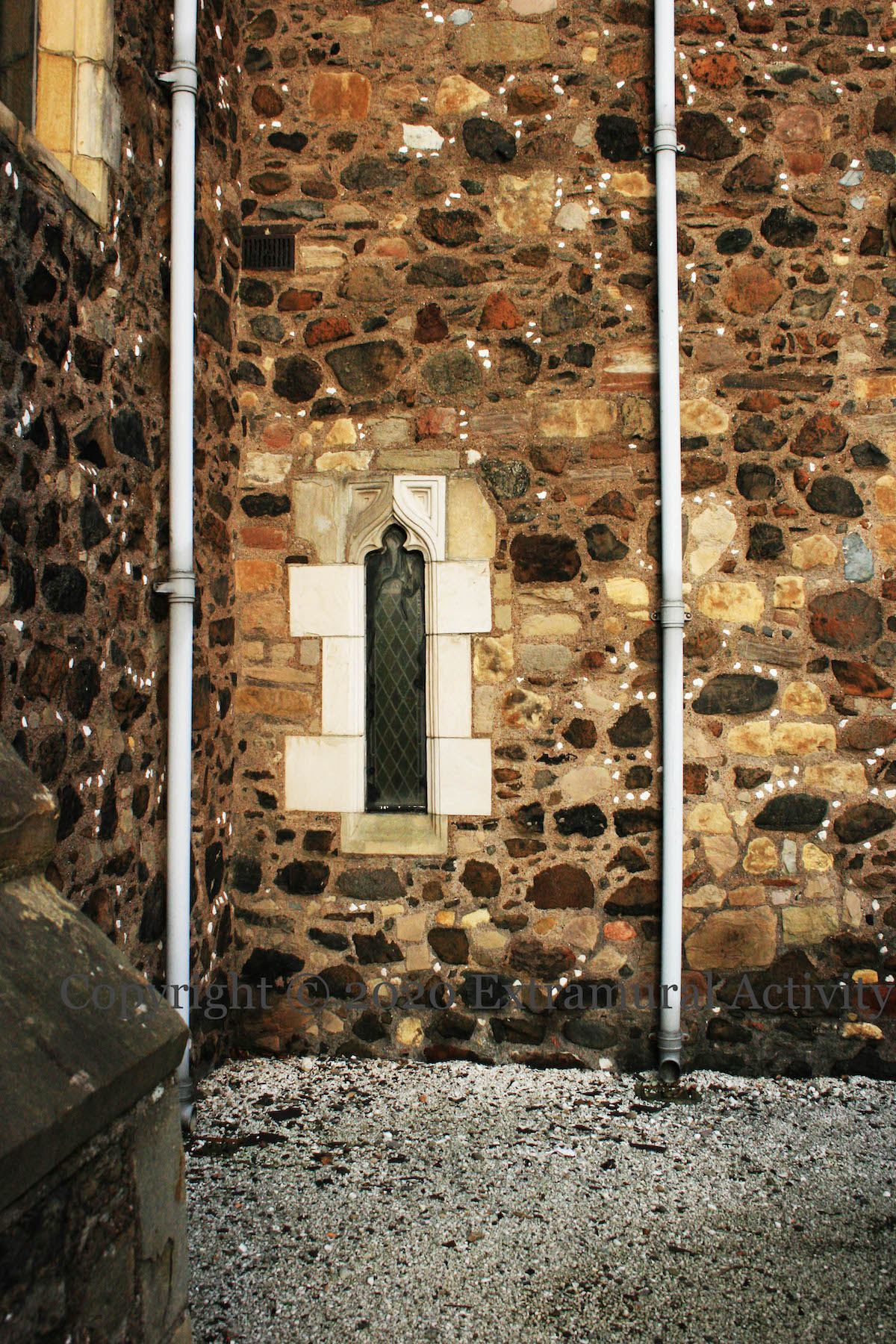
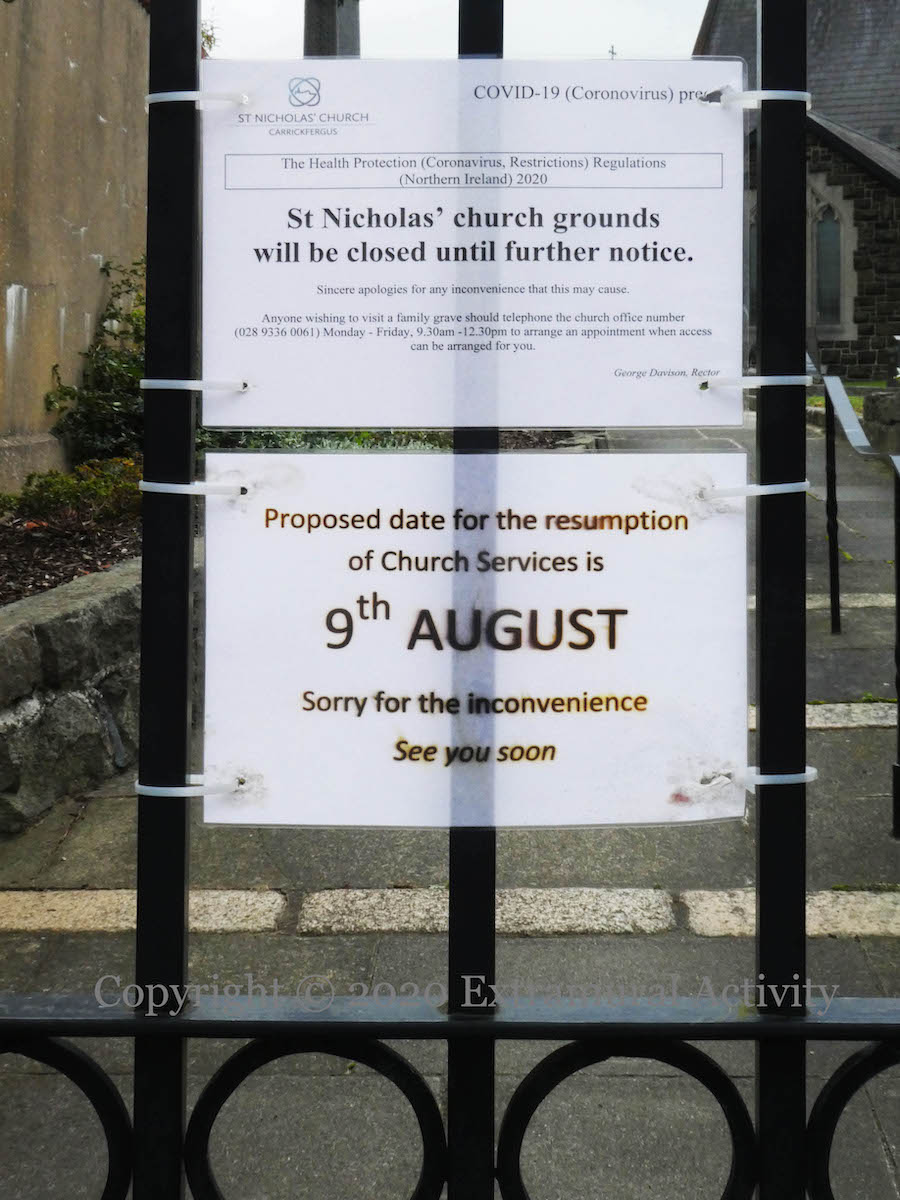
St Nicholas’s (Anglican) church in Carrickfergus dates back to the 1100s, prior to the castle. The low window shown above is known as the “leper window”. Patients from the leper hospital near the (northern) Spittal Gate to the city would come and listen in (Library Ireland). During the coronavirus pandemic of 2020, services are not even being held.

A virtual tour of the church is available in the church’s web site.

Recently in Carrickfergus: The Plague Grave. Covid-19 church-related posts from Belfast: Rediscover The Power Of The Rosary | Prayer In The Time Of Coronavirus

Click image to enlarge
Copyright © 2020 Seosamh Mac Coılle
X07456 X07455

The Plague Grave

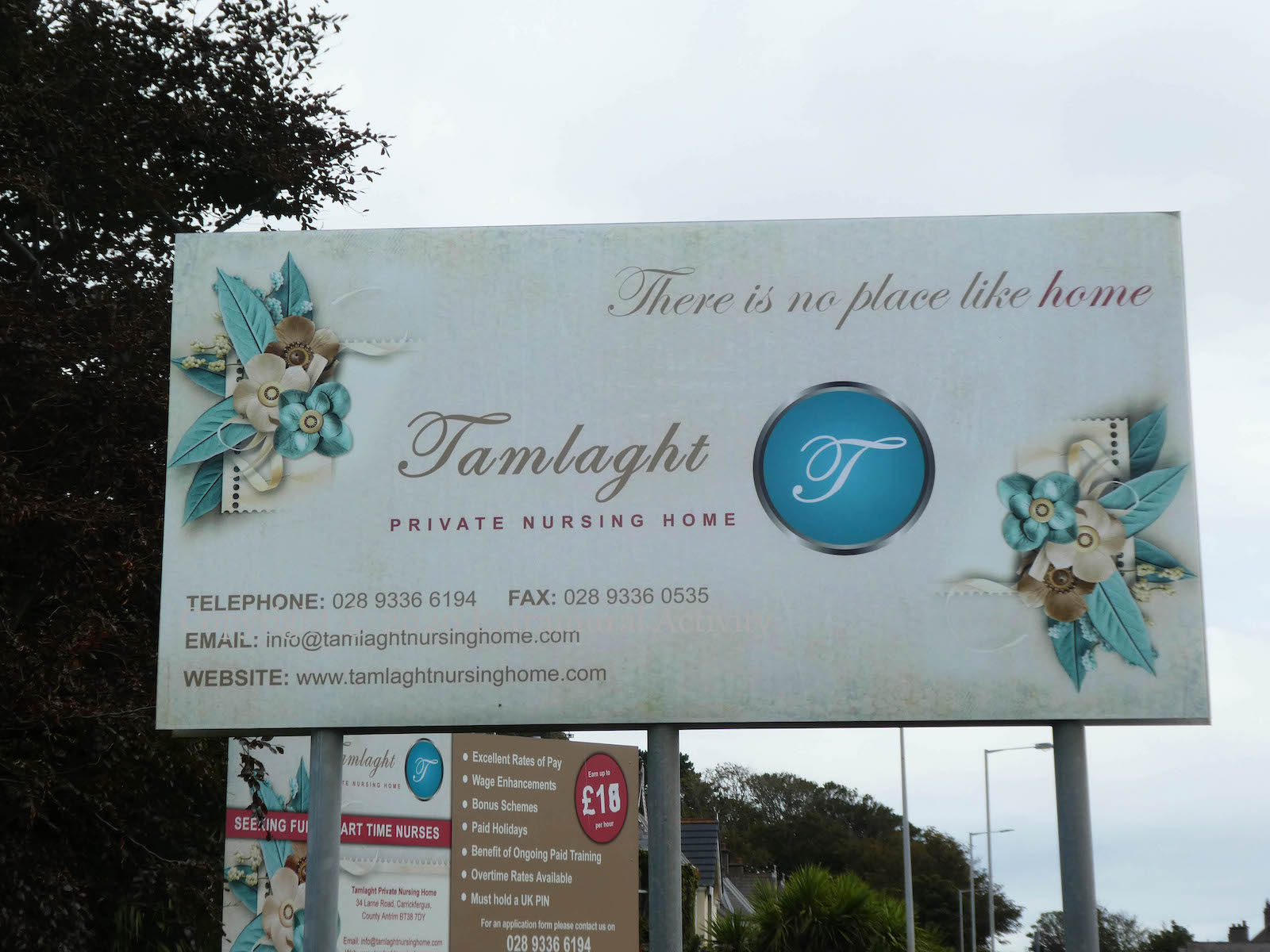
Care homes accounted for about 50% of the early coronavirus deaths in both Northern Ireland (WP) and the Republic (Irish Times). This Carrickfergus facility is named “Tamlaght” which comes from the Irish támh = plague and leacht = grave. Ireland suffered various plagues throughout history, including the Yellow Plague Of 644 and the Black Death in 1348 with “unheard of mortality” from recurring waves lasting until 1370. PlaceNamesNI states there 25 townlands bearing the name (and many other places too).

Click image to enlarge
Copyright © 2020 Seosamh Mac Coılle
X07420 Larne Rd

A Great Feeling Of Love

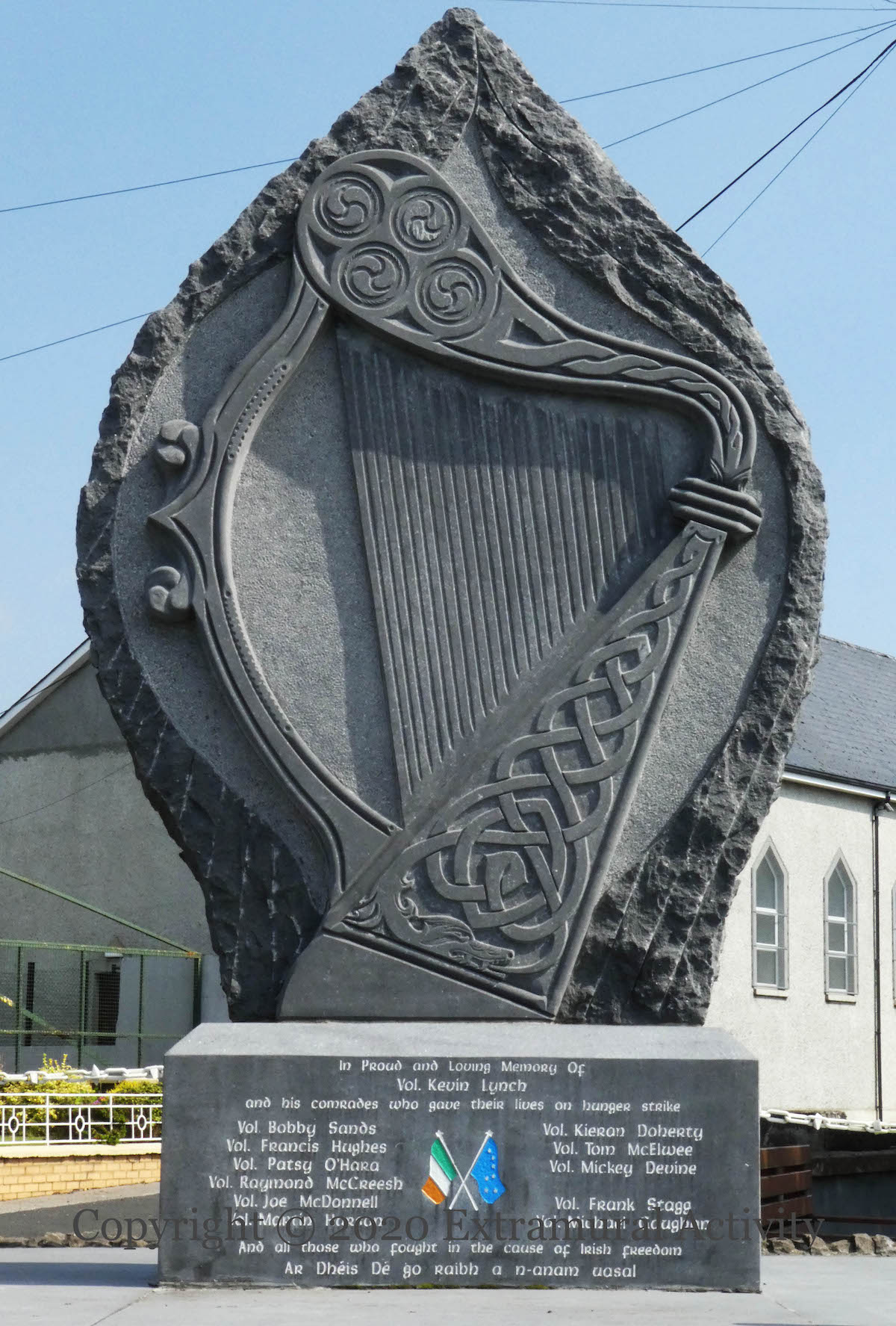
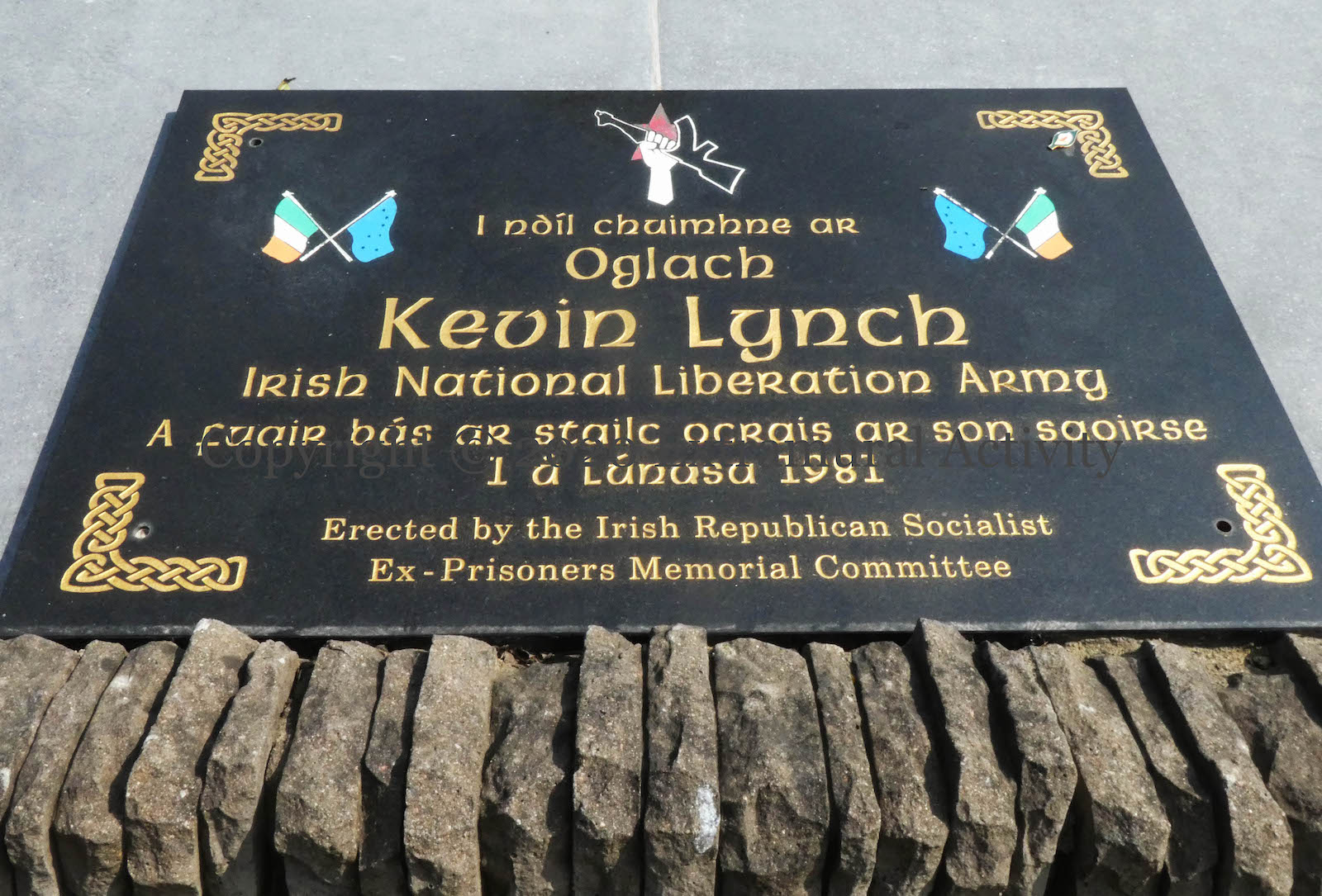
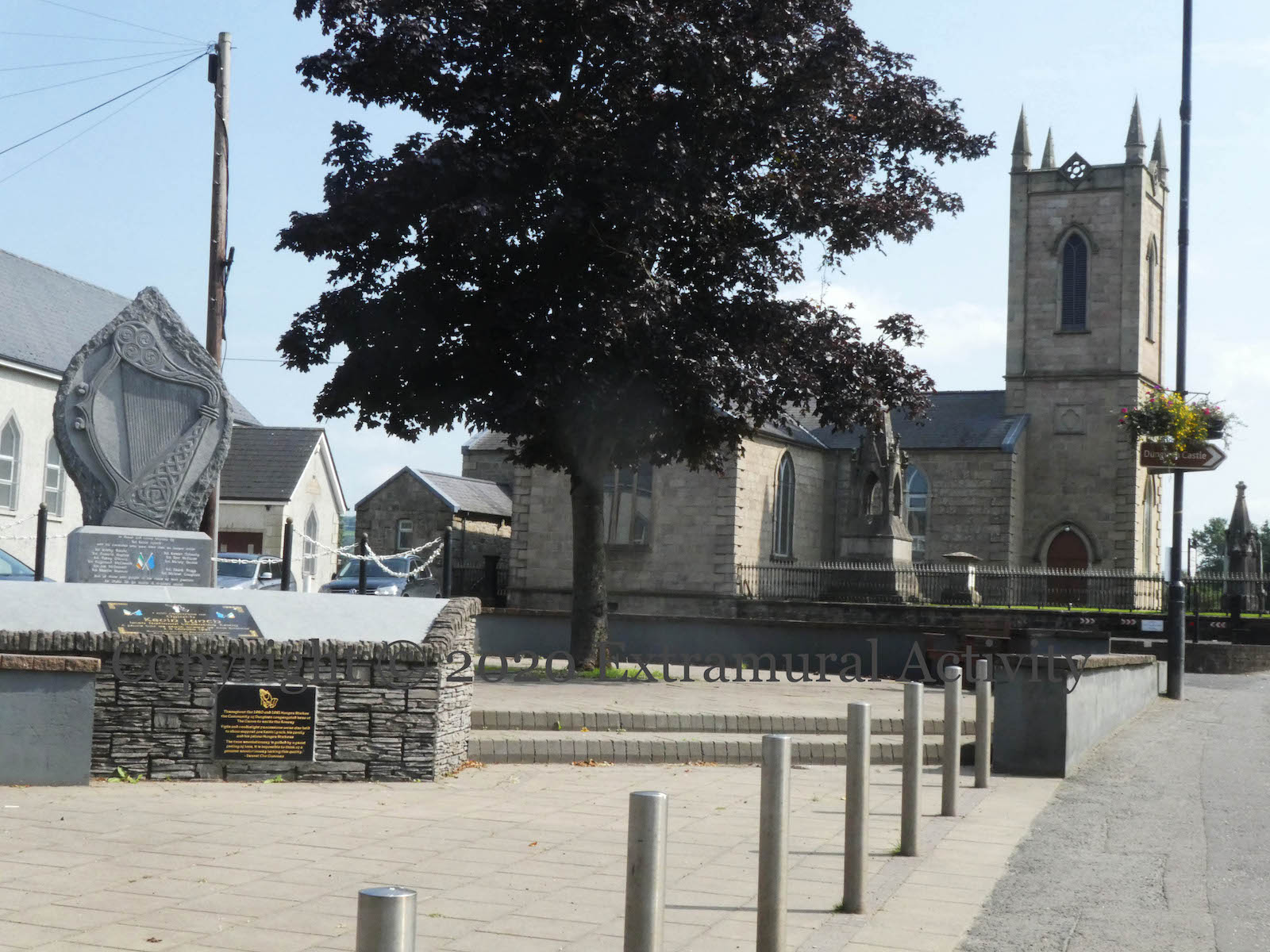
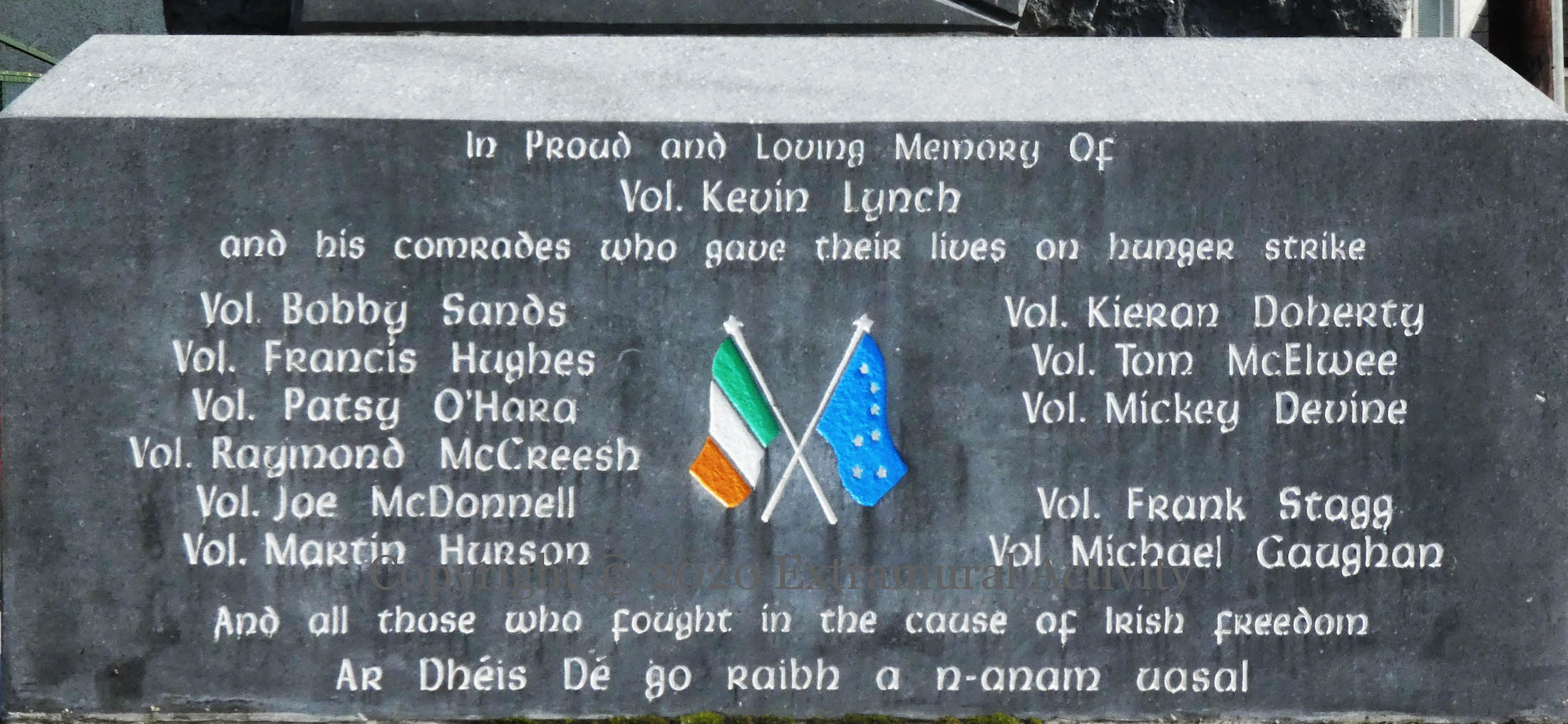
“The true revolutionary is guided by a great feeling of love. It is impossible to think of a genuine revolutionary lacking this quality” – Che Guevara Lynch. The INLA’s Kevin Lynch died in the second hunger strike after 71 days. He is buried in Dungiven, where this memorial sits on the main road between Derry and Maghera.

“I ndíl [ndıl] chuımhne ar Óglach Kevin Lynch a fuaır bás ar staılc ocraıs ar son saoırse, 1ú Lúnasa 1981 [who died on a hunger strike for freedom, 1st August 1981]. Erected by the Irish Republican Socialist Ex-Prisoners Memorial Committee.”

Click image to enlarge
Copyright © 2020 Seosamh Mac Coılle
X07481 X07385 X07384 X07386 X07387

Below The Castle Walls

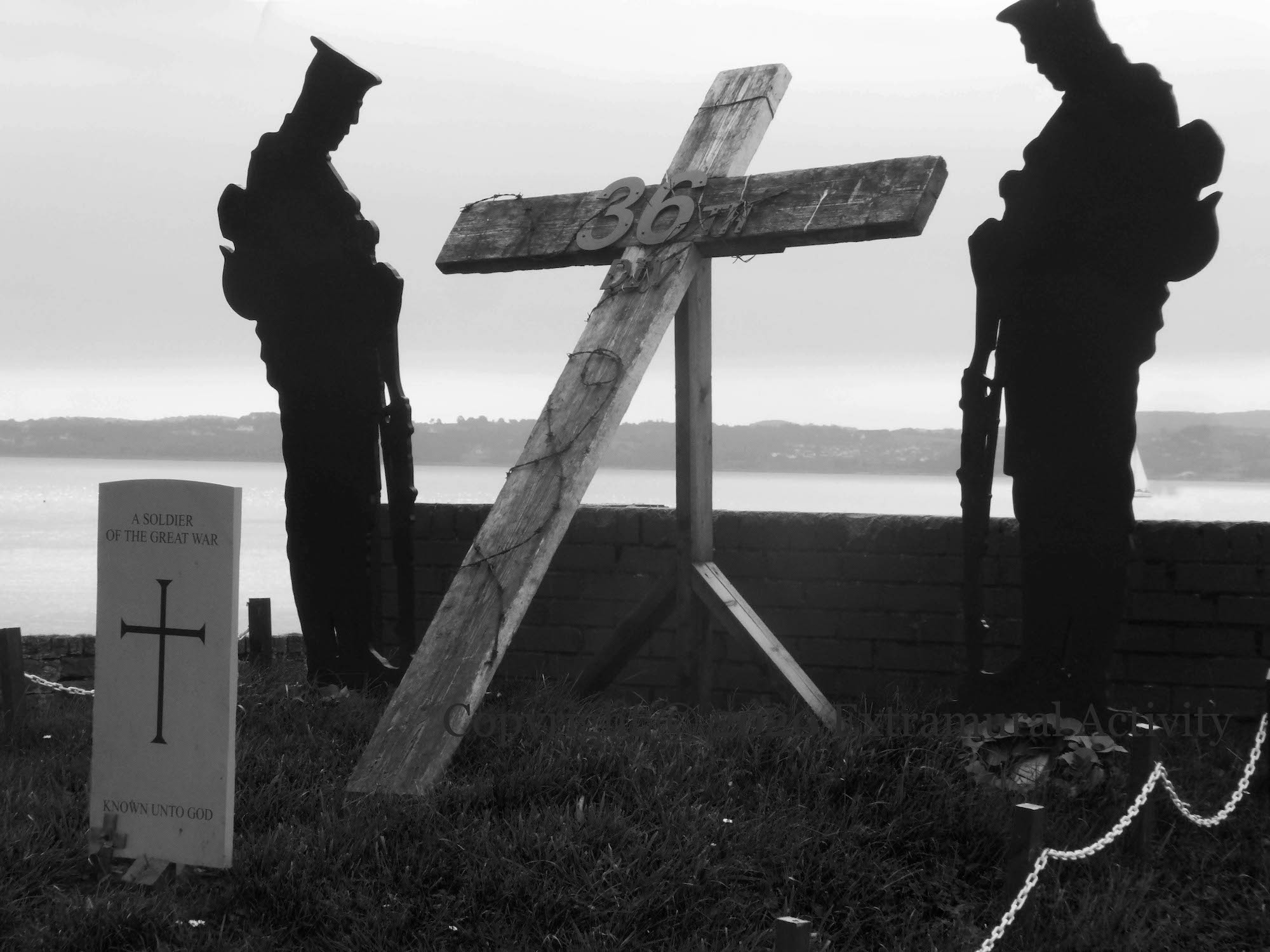
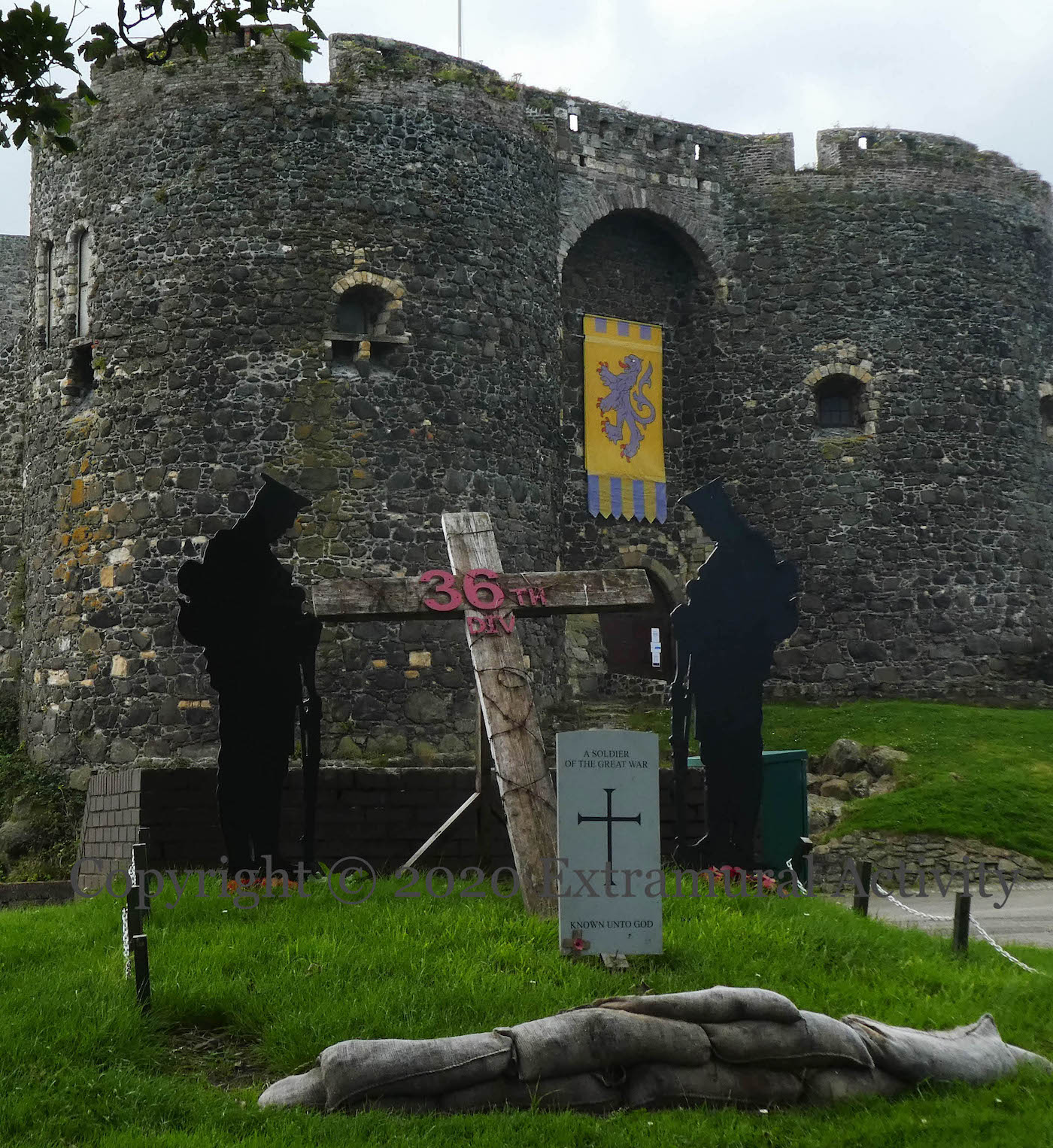
Carrickfergus castle was built in 1177 and has seen multiple battles in the intervening years, including the Battle Of Carrickfergus in 1597 in which the MacDonnells and O’Neills defeated the forces of Elizabeth I (WP). Its military history makes it a fitting spot for a remembrance of the dead of WWI from the 36th Division.

Click image to enlarge
Copyright © 2020 Seosamh Mac Coılle
X07381 [X07380] X07382 [X07383] [X07379] [X07378]

Against The Terrorist Threat In Ulster

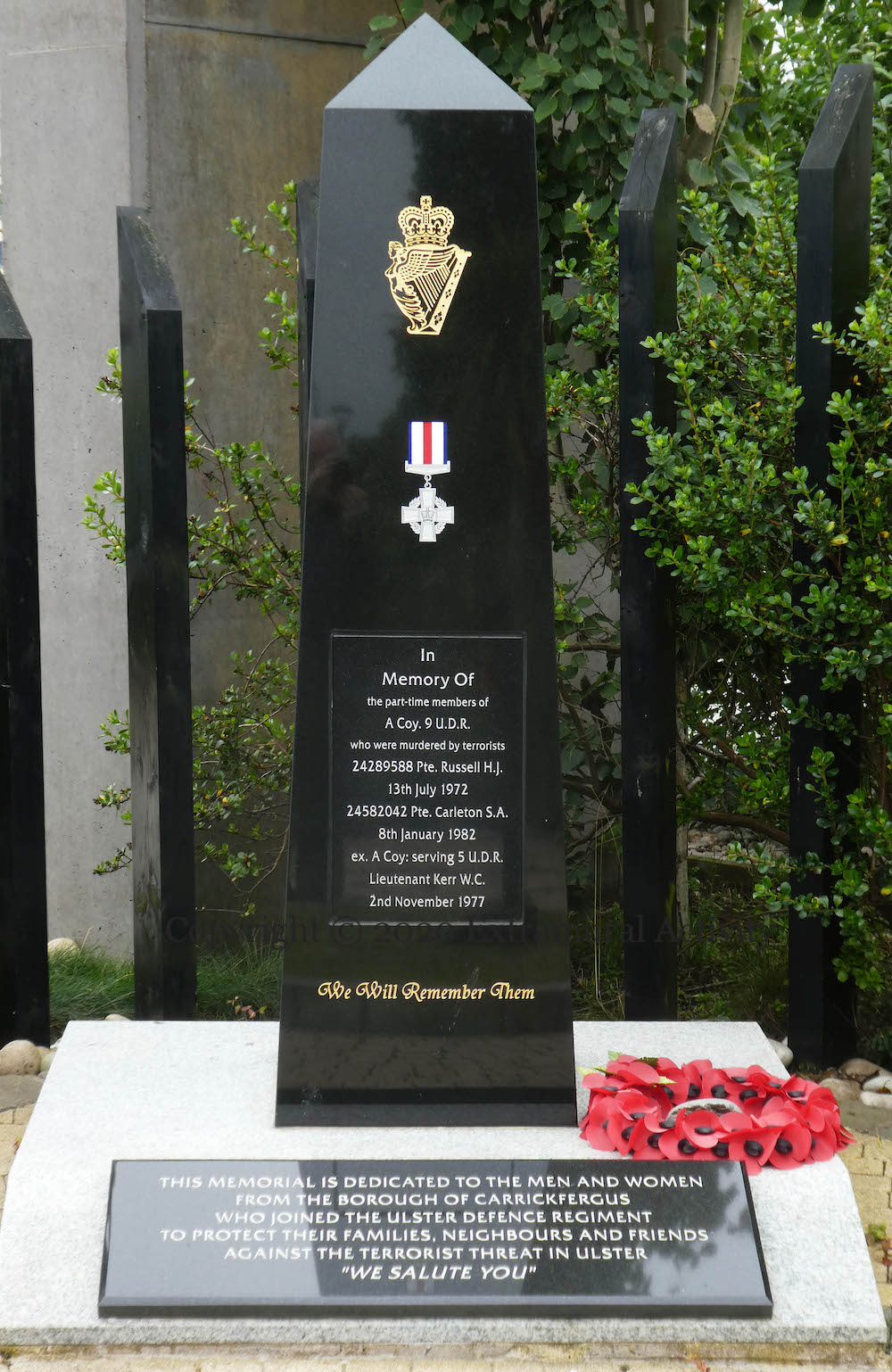
The original cairn commemorating three part-time members of the UDR (which can be seen in Carrickfergus RIR/UDR) – Henry Russell, Steven Carlton, and Walter Kerr – was replaced by a new obelisk in 2017. The medal in the middle is the Conspicuous Gallantry Cross, which was awarded to the entire RIR and UDR in 2006. (The UDR was merged with the RIR to form the Royal Irish Regiment in 1992.) (Video of the launch.)

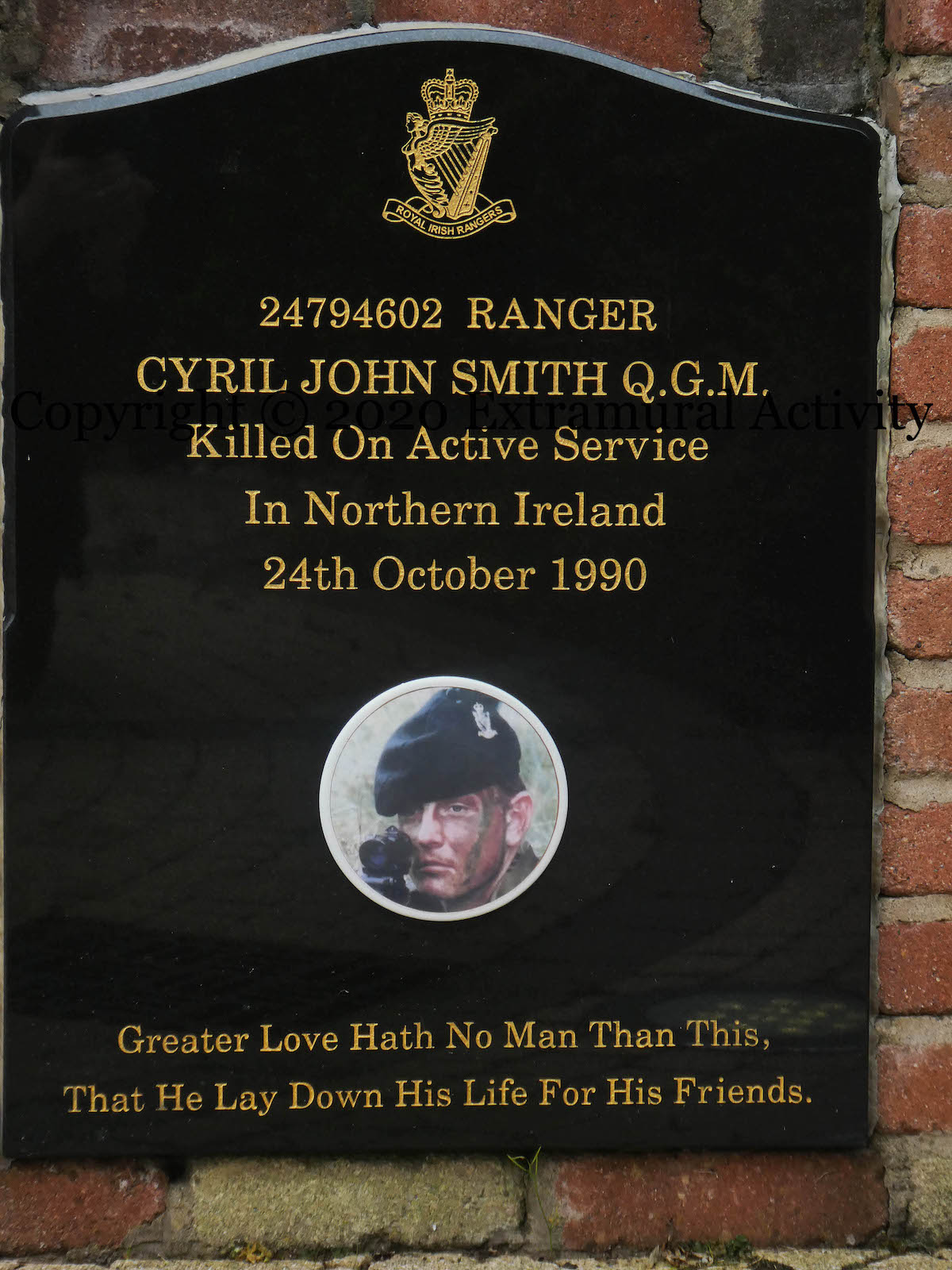
Cyril Smith was a Catholic from Carrickfergus and a Royal Irish Ranger. The original cairn in his memory tells the story of his death at age 21 in 1990. For commentary, see this Irish Times piece.

Click image to enlarge
Copyright © 2020 Seosamh Mac Coılle
X07376 X07375 Marine Gardens

On Foreign Fields

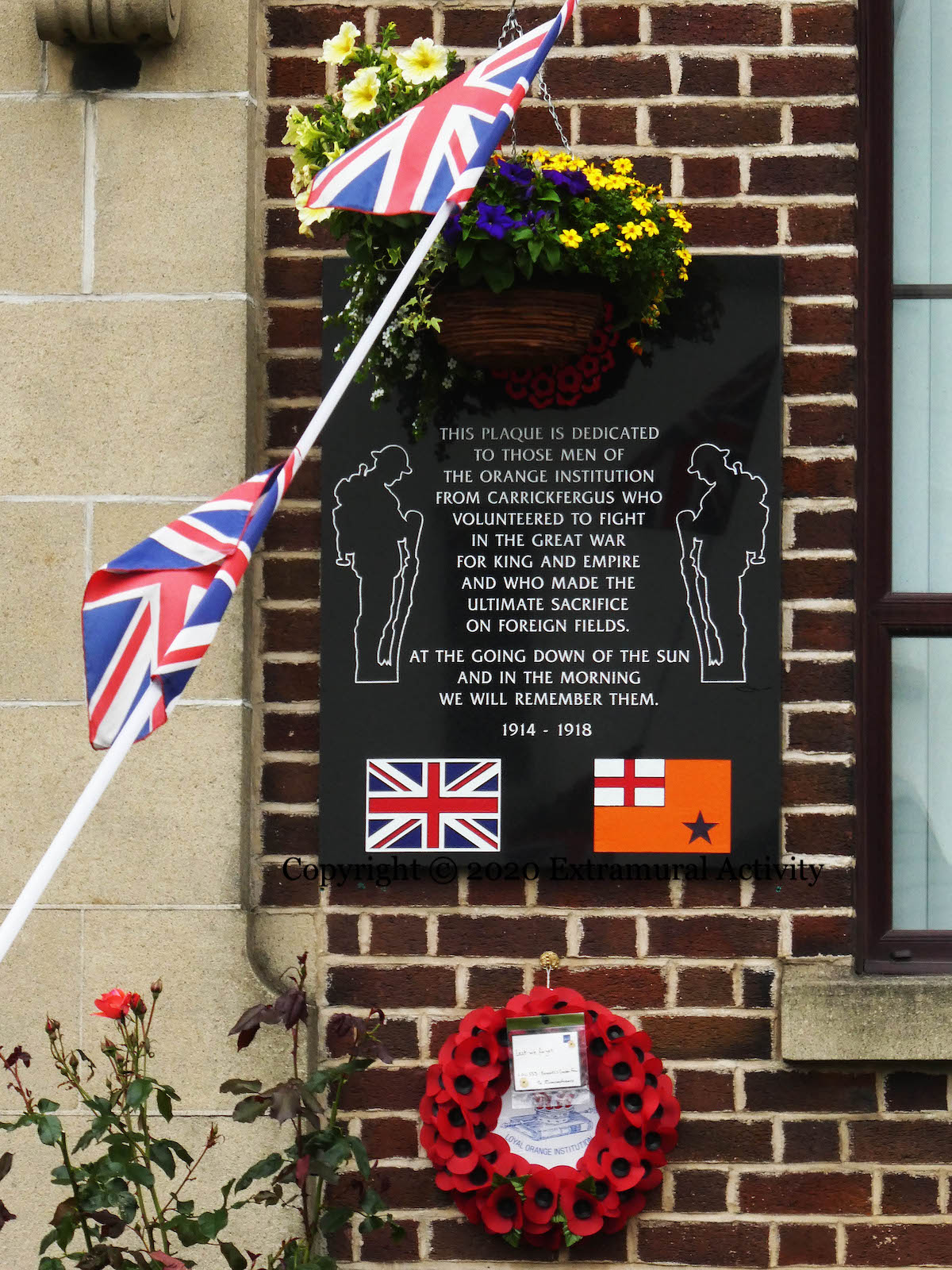
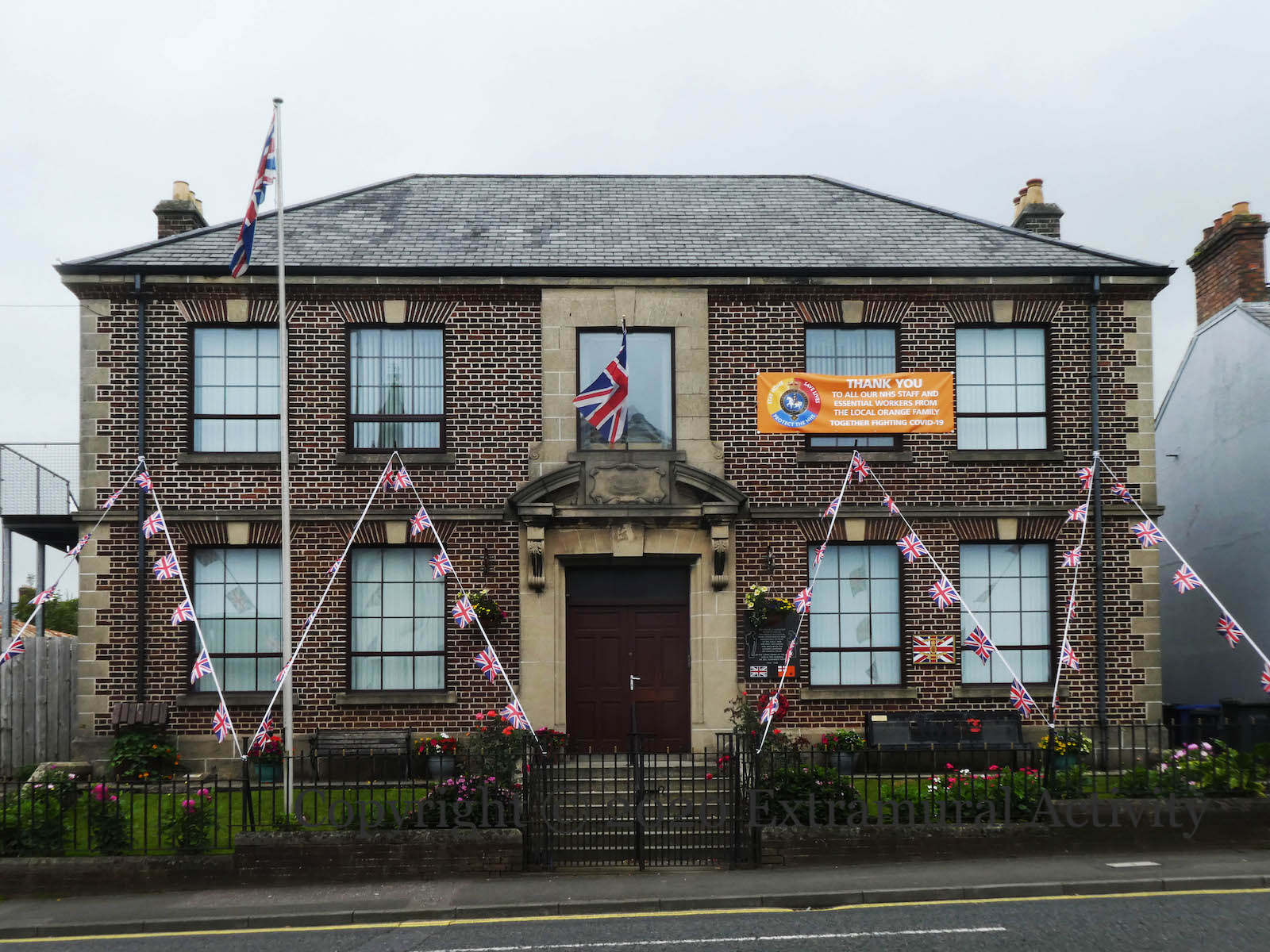
“This plaque is dedicated to those men and women of the Orange Institution who volunteered to fight in the Great War for king and empire and who made the ultimate sacrifice on foreign fields.” A WWI commemorative plaque has been added to the Orange hall in Carrickfergus (seen previously in M05249).

Click image to enlarge
Copyright © 2020 Seosamh Mac Coılle
X07374 X07373